Creating Defensible Space in Wildland Urban Interface Areas
Best tips for creating and maintaining a clear defensible space area around your home to protect against wildfires.
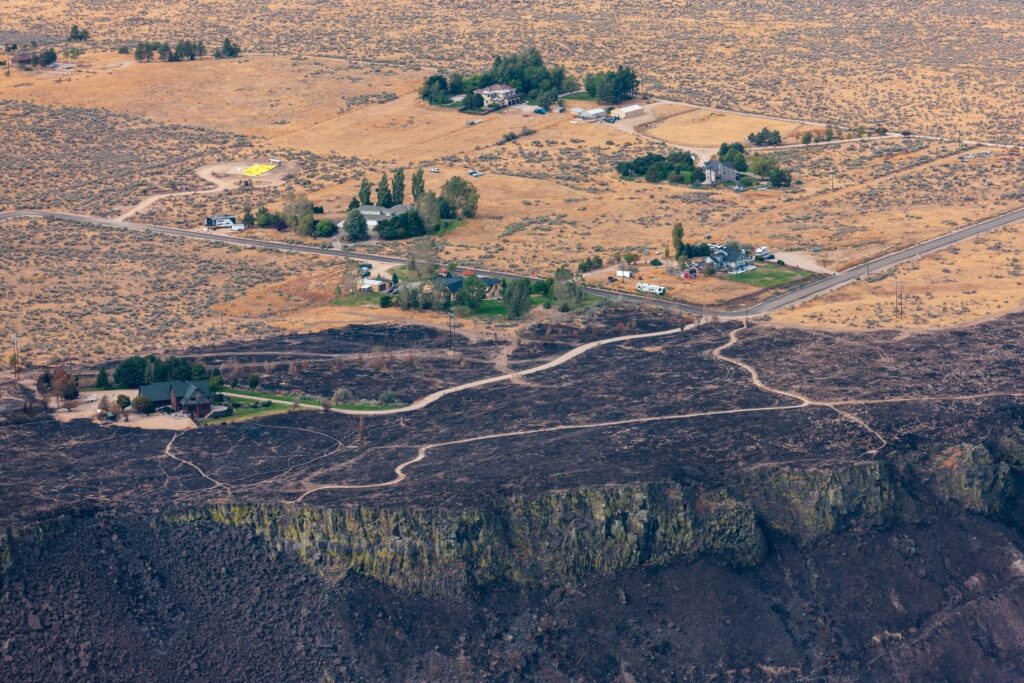
Creating a clear defensible space area has been proven to increase your home’s chance of surviving a wildfire. Defensible space is a buffer between a building on your property and the grass, trees, shrubs, other buildings or wildland area that surround it. This space is needed to slow or stop the spread of a wildfire, and it can help protect your home from a wildfire’s embers, direct flame contact or radiant heat. Defensible space can also provide firefighters with a safe and clear area to work in to defend your home.
Many cities and governmental agencies have local ordinances for defensible space or vegetation management outlining specific community requirements for constructing fire resistant homes and vegetation maintenance to help ensure defensible space. It is beneficial to consult with local fire authorities to confirm specific requirements for your property.
Best Practice Tips
Here are useful best practices to help you maintain a clear defensible space around your home and around all structures, including outbuildings and sheds (up to 100 feet from your home or to the property line):
- Cut or mow annual grass down to a maximum height of four inches
- Create horizontal and vertical clear space between grass, shrubs and trees to prevent a fire’s spread from one area to another
- Remove fallen leaves, needles, twigs, bark, cones and small branches from the ground and under trees
- Remove all dead and dying weeds, grass, plants, shrubs, trees, branches and vegetative debris from the ground, and don’t forget your gutters, decks, porches, and outdoor stairs where these materials may collect
- Create a 10-foot bare soil area or use non-combustible groundcover materials around exposed wood piles, outdoor storage or stationary home fuel tanks
- Remove tree branches that hang closely over the structure’s roof
- Trim trees regularly to keep branches at a minimum horizontal distance of 10 feet from other trees
- Create a clear separation between trees, shrubs and combustible items that could catch fire, such as patio furniture, wood piles, play areas, etc.
- When high winds or red flag warnings are predicted, consider moving portable combustible items such as patio furniture away from your home
- Remove tree branches extending within 10 feet of any chimney or stovepipe outlet
- For areas within five feet of your home or other structures, use hardscape materials like gravel, pavers, concrete and other non-combustible materials in lieu of combustible mulch
- Remove or limit vegetation next to the structure which may ignite from flying embers
General considerations for your entire property:
- Relocate combustible items (outdoor furniture, planters, etc.) more than five feet away from structures
- Do not store firewood within 20 feet of any structures and 15 feet from tree crowns
- Consider relocating boats, RVs, vehicles and other combustible items at least five feet away from any structures
- Replace combustible fencing, gates and arbors attached to the home with noncombustible alternative materials
- Consider consulting local landscape professionals for suggestions regarding local fire smart landscaping options that have characteristics to resist the spread of fire to your home
- Annual maintenance is recommended to ensure continued effectiveness of the defensible space
Learn more about the ICC Fire Service Membership Council (FSMC), here. ICC’s Fire and Disaster Mitigation (FDM) Team brings together a powerhouse of experts in building and fire codes, emergency management, disaster mitigation, wildfire preparedness and mitigation, and public safety awareness and professional leadership. Click here for the latest news and resources for fire and disaster mitigation professionals.