Guayaquil and ICC Sign MOU to Explore Customized Building Codes for Fire and Life Safety
This initiative represents a novel approach to building code development in Latin America, one that prioritizes community voice, academic rigor and long-term sustainability over speed.
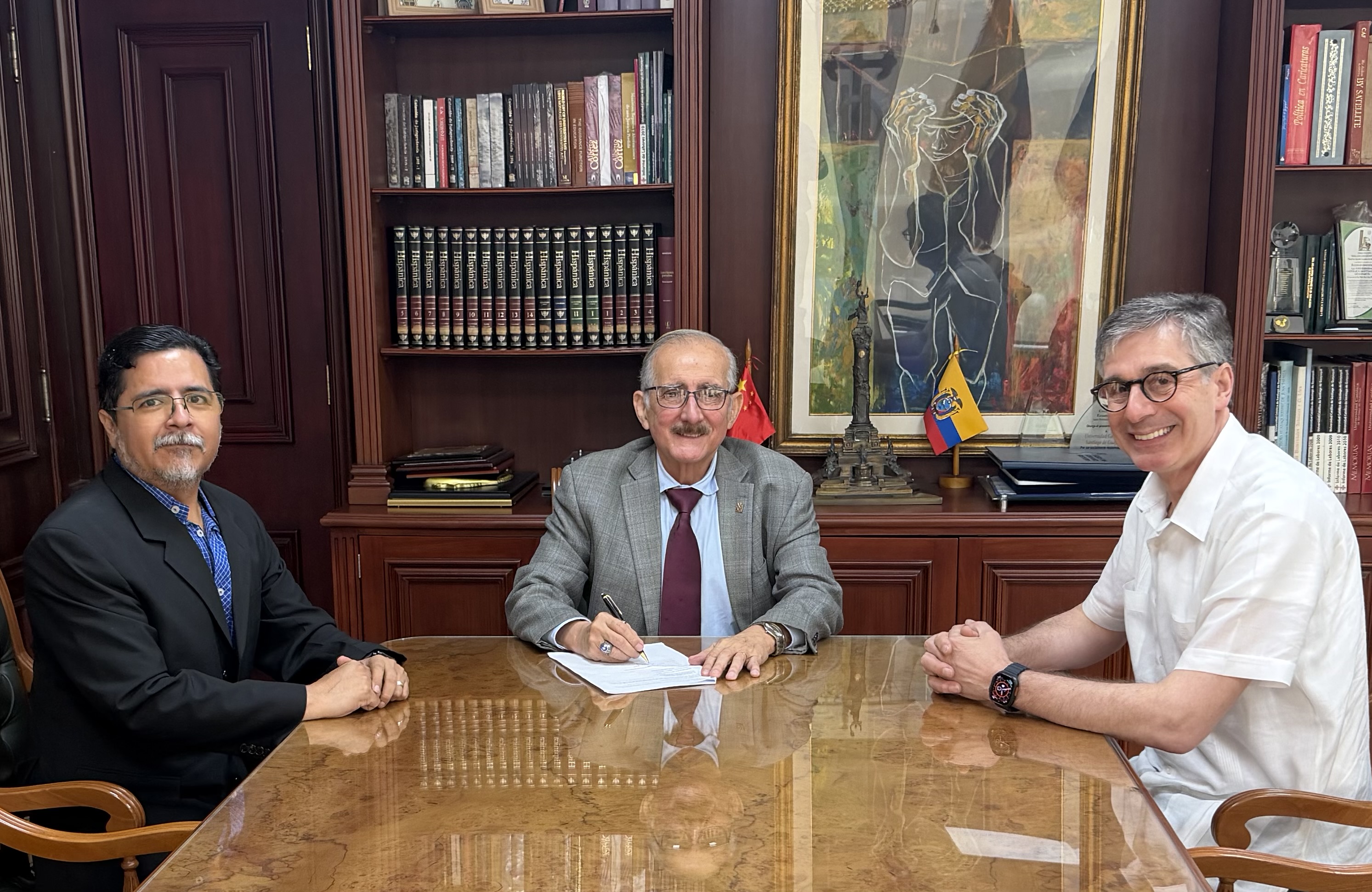
The International Code Council (ICC) and the Universidad Católica de Santiago de Guayaquil (UCSG) recently signed a Memorandum of Understanding (MOU) establishing a framework for collaboration on a localized building code for the city of Guayaquil, Ecuador.
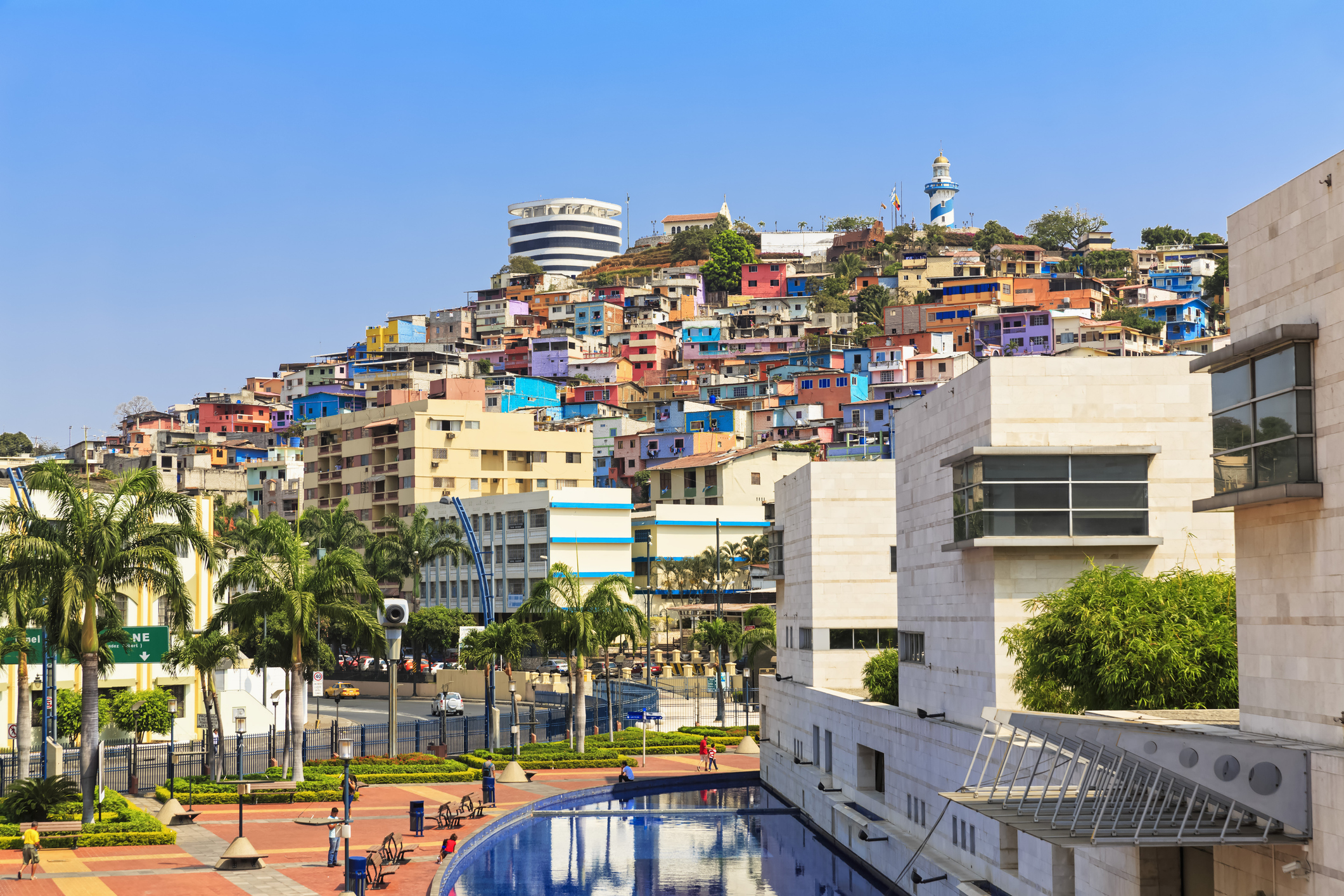
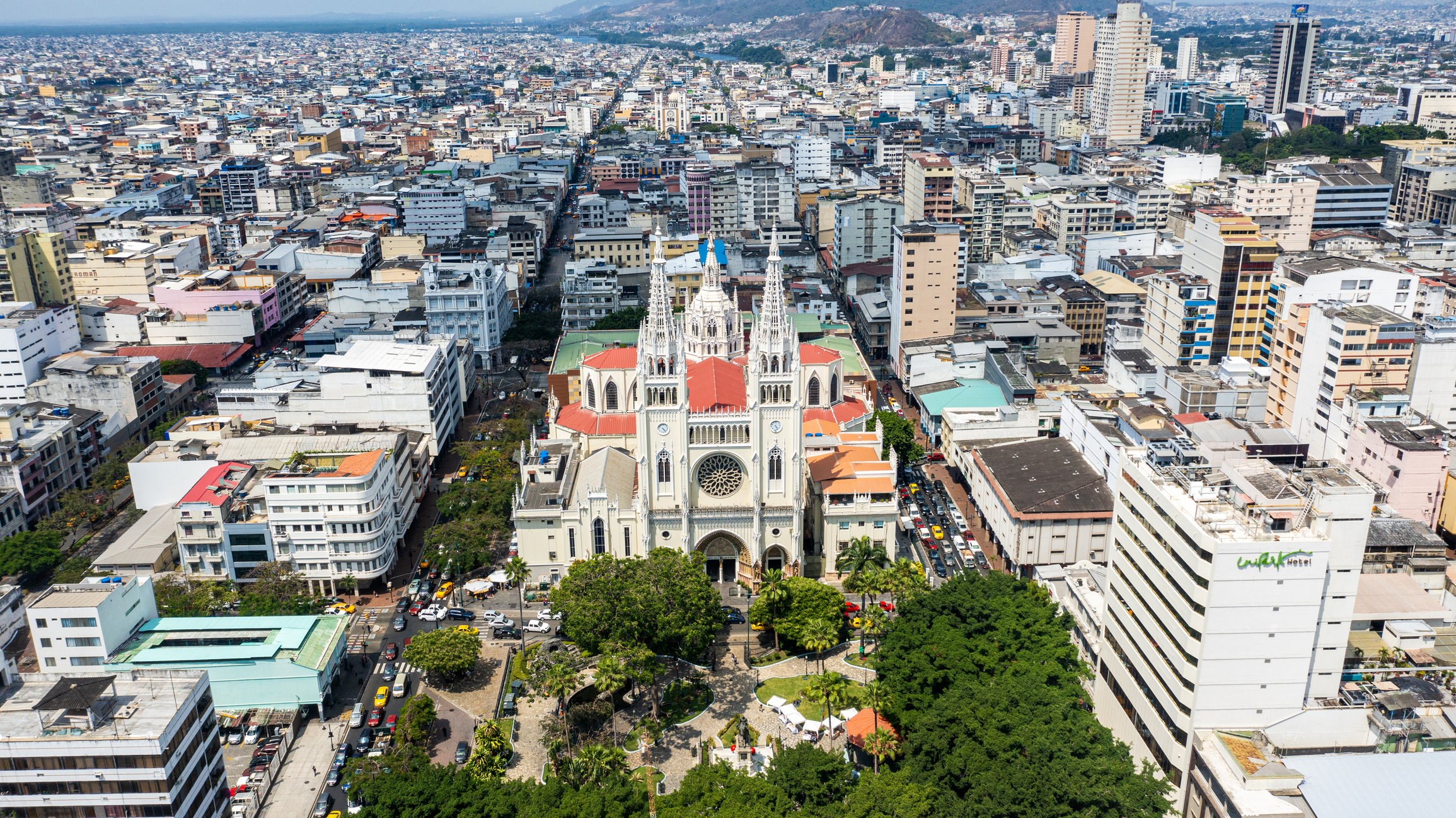
With a metropolitan population of 3.29 million, Guayaquil is the largest city in Ecuador and the nation’s economic capital and main port.
An Academic Exercise
At its core, this project is an academic exercise that establishes the stakeholder engagement and buy-in necessary to have a usable building code.
The MOU establishes the foundation for UCSG to lead an open, structured review of the Spanish edition of the 2024 International Building Code® (IBC) to assess how well it could apply to Guayaquil’s specific environment.
Rather than mandating a code or fast-tracking adoption, the university is creating a deliberate process, one that invites designers, fire safety professionals, construction industry representatives and other community stakeholders to engage with the model code, test its assumptions against local conditions and offer substantive feedback.
A Systematic Approach
This approach directly addresses one of the most persistent challenges jurisdictions in Latin America face when evaluating use of building codes developed elsewhere: the concern that such codes are shaped by conditions that may not reflect their own climate, construction practices, materials, occupancy patterns or regulatory culture.
By assessing the IBC through this academic and community review process rather than moving immediately to implementation, UCSG is providing a neutral, non-political platform on which those concerns can be raised, examined and addressed systematically.
The MOU is the result of an initiative spearheaded by Perkins Eastman Architects DPC in collaboration with the Benemerito Cuerpo de Bomberos de Guayaquil (Guayaquil Fire Department), a Governmental Member of ICC.
The voluntary code will be promoted by UCSG as a working document for this review period, giving all stakeholders the freedom to independently assess the merits and limitations of applying a modern building code based on the IBC to Guayaquil’s context.
UCSG is also working to secure funding through private institutions to support both the development of the code and capacity-building initiatives related to its use.
Regional Impact
Over an anticipated five-year period, UCSG and ICC hope to incorporate the feedback generated through this open community process into a draft model code specifically tailored to Guayaquil.
The customized code that emerges from this process could then be presented to the city and the broader community for consideration as a permanent, mandatory building code, one that has already been stress-tested and refined through years of professional engagement.
“We are confident that having a custom model building code for use on a voluntary basis in Guayaquil will generate professional feedback and position involved stakeholders to advocate for adoption of a further customized building code in Guayaquil on a mandatory basis in the future,” said Ing. Walter Mera, Director of UCSG.
Passive Fire Protection
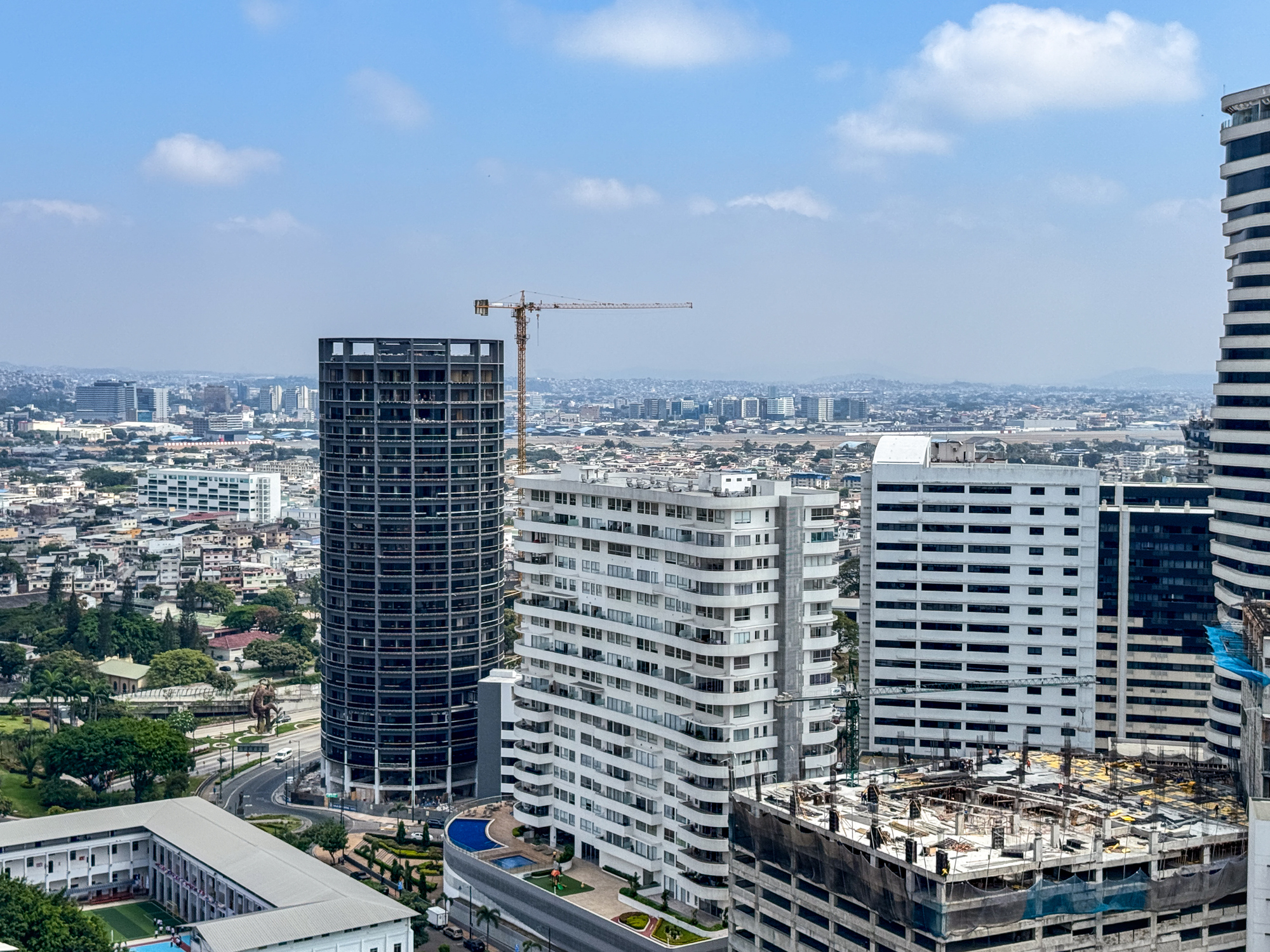
Interest in improved fire and life safety has grown significantly following a serious fire in a mixed-use building that lacked adequate fire protection systems.
The Chamber of Construction has since formed a working group on building safety, and that momentum provides an important backdrop for this initiative.
Christopher Parker, Technical Director of the fire department, is a longtime advocate for passive fire protection and has a strong desire to address the challenges of verifying compliance in Guayaquil.
“The possibility of using first-world codes allows us to improve local standards while also reducing the risks present in our conditions,” said Parker. “Direct contact between the ICC staff and professionals from the national construction sector would allow a better interpretation of the regulations, with the aim of ensuring that their application is both technically and economically achievable.”
Spearheading Better Safety Codes
Stephen Forneris, Principal of Perkins Eastman, led the outreach to ICC on behalf of the Guayaquil Fire Department and has helped provide some of the financing required to customize and produce the code.
“What this initiative creates is a relaxed, open forum for stakeholders to put a modern building code to the test and honestly assess how adaptive it is for this environment, which is really not so different from what cities across the U.S. do when they go through a code update cycle,” said Forneris. “The International Codes® (I-Codes®) bring state-of-the-art science and technology to the table, covering everything from structural engineering and seismic provisions to life safety, fire protection, and occupancy loads, and importantly, emerging challenges like battery storage systems and electric vehicles that are reshaping how we think about building safety worldwide.
Ecuador’s construction industry is already working with many of the same materials used in the U.S., and engaging with these codes will have a powerful impact on the entire community.”
“We need to appreciate that the approach taken outside of the U.S. needs to be different and appropriate to the context of each market,” said Jose Roig, Regional Director for Latin America and the Caribbean, ICC. “The Spanish language resources that ICC is developing with the Latin American market in mind will support Guayaquil and other jurisdictions with a transitional introduction to advanced building codes while improving safety for both building occupants and emergency responders.”
Key Takeaways
This initiative represents a novel approach to building code development in Latin America, one that prioritizes community voice, academic rigor and long-term sustainability over speed.
It offers a replicable precedent for how other cities in the region might gain meaningful access to modern building codes, evaluate them on their own terms and ultimately shape them into tools that serve their communities well. It showcases the flexibility that ICC adopts to advance its global mission.
Learn more about ICC Global Solutions, here.
About the Author
The International Code Council is a nonprofit association that provides a wide range of building safety solutions, including product evaluation, accreditation, certification, codification and training. It develops model codes and standards used worldwide to construct safe, sustainable, affordable and resilient structures.