The Power of Curiosity: Career Takeaways from Pierce County State Building Official Trish Bennon
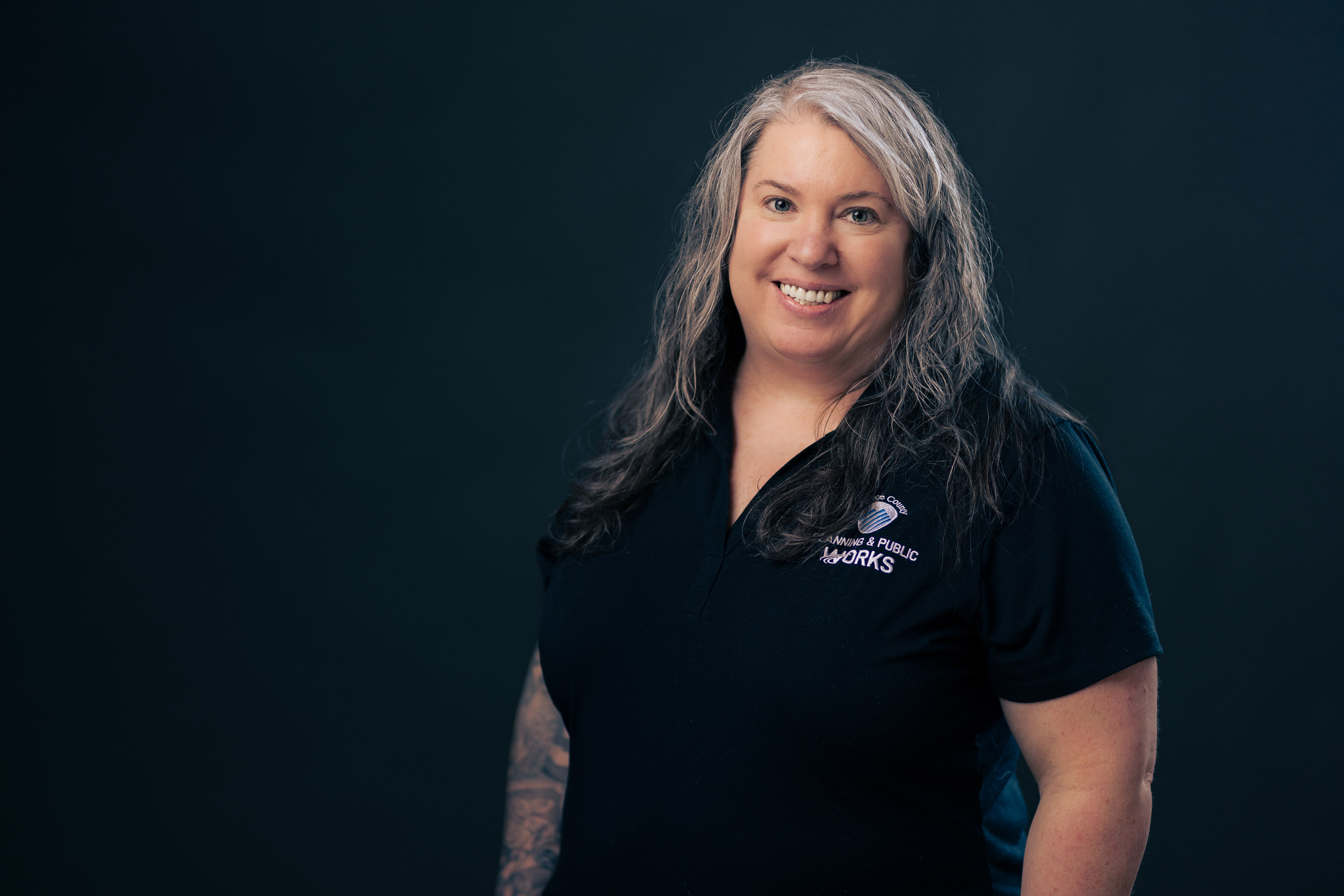
Washington State’s Tricia “Trish” Bennon started in the building industry in 1988 as a front counter technician, but was always drawn to building codes.
“I love conducting research and learning new concepts,” said Bennon. “After obtaining my first certification in plan review, I started looking for more challenging positions to expand my knowledge and grow my career.”
Currently the Building Official for Pierce County and overseeing a staff of more than 20, Bennon appreciates problem-solving and finding different ways to ensure that code compliance is safe.
She feels that the best way to find a beneficial path forward for all stakeholders is to be well-rounded and to understand the intent behind the codes. She also encourages involvement with state and local building official groups, as well as national organizations such as the International Code Council (ICC).
Quarterly Building Safety Meetings Ensure Code Education and Consistency
“Tricia’s leadership brings Pierce County jurisdictions together through regular regional meetings that have strengthened coordination and supported consistent code administration,” said City of Puyallup Building and Fire Code Official Ray Cockerham. “Tricia’s energy, commitment, reliable follow-through and collaborative style make her a valued partner in regional work and with the Washington State Building Officials (WABO) mission across the state.”
Bennon explained that her work philosophy is leadership-forward and enjoys being both a mentee and mentor. Every quarter, she brings greater Pierce County building officials together to discuss relevant issues.
“That cadre is a productive forum that provides consistency with code interpretations and opportunities for mentorship,” said Bennon. “I can honestly say that I wouldn’t be in my current role without the support and mentorship of many building officials and industry professionals.”
Two of her most impactful mentors include the City of Bremerton’s past Building Official Judy Johnson. Johnson was Bennon’s first supervisor, who encouraged and supported her curiosity about learning building code.
“I feel that since I had a strong female mentor right out of the gate, I never felt that position was unusual or unattainable,” Bennon said.
Bennon is also a former assistant for Nick Waggood, past Pierce County Building Official and current City of Tukwila Building Official. Bennon appreciated her time in that role and Waggood for pushing her outside of her comfort zone.
“He was a passionate advocate who helped me realize my value to the organization,” said Bennon. “I am grateful for his support of my professional growth.”
Collaboration is Key to Code Success
These types of interpersonal relationships are a crucial underpinning of code work.
“I initially thought that building officials would just research code issues, review alternate methods and material requests,” said Bennon. “But what I’ve discovered is that it’s only about 20 percent of the job. Most of my work is collaborating with coworkers, managers, council members and the general public to solve problems like streamlining permit processes and finding solutions for enforcement actions.”
Being able to successfully collaborate with not only the residents of the jurisdiction they work in, but also with other building safety professionals, is key to having a rewarding career in the industry.
“When I came to Pierce County in 2022, I knew Trish and I would be great friends and partners in building and fire safety,” said Piece County Fire Marshal Ken Rice. “I was honored to be on her interview panel for the Building Official position and was beyond thrilled when she accepted the role. We collaborated closely with local and state governments to pass some critical daycare legislation. She’s a blessing to work with!”
What Creates Excellent Code Professionals?
Bennon also emphasizes curiosity as an essential quality in the construction industry, encouraging professionals to challenge limitations and view every interaction as an opportunity to learn.
As a new building inspector, Bennon sometimes found herself not being taken seriously on jobsites or was even ignored altogether. Her early days weren’t always negative, though, as some contractors would walk the site with Bennon, discussing issues and those code applications in the field.
“These interactions were valuable because we knew that knowing the code is only a portion of the job,” said Bennon. “Equivalencies that achieve the same result are invaluable. Remind yourself to listen to those around you, regardless of title or experience, because you will never know everything about the code or acceptable alternatives.”
When studying for safety certifications, Bennon dove into the code sections, not only to expand knowledge and understanding of where to find answers, but also to learn how different codes relate to each other. Currently, she’s looking forward to completing her Fire Marshal certification and advises future test-takers to get these tests scheduled.
“Don’t say ‘I’ll schedule when I’m ready,’ because you will likely never feel quite ready,” said Bennon. “Once a certification exam is scheduled, the pressure of a deadline should make studying easier.”
Unlike earlier in her career, when Bennon now attends a professional conference or training session, she’s pleased to not always find herself being the only woman in the room anymore.
“I no longer hear statements like ‘I didn’t know that girls could be inspectors,’ or ‘I really just need to talk to the inspector, honey,’” she said. “While these comments didn’t impact my desire to expand my career or knowledge, I often wonder how many women might have abandoned their career goals from hearing them. Seeing diverse representation is encouraging and I’m excited to see this expansive type of workforce in the future!”
Compassion and Professionalism Support Stressed Stakeholders
The key to longevity in building safety careers? According to Bennon, success is regulating with compassion, as well as not taking things personally.
“We often work with people who are under extreme stress from managing construction projects with financial impacts under uncertain economic conditions,” she said. “Approaching our regulatory role with kindness fosters a cooperative environment. We work with folks in emergency situations, sometimes on the worst days of their lives. Understanding that their frustrations aren’t personally directed at you is essential.”
Subscribe to the BSJ Weekly here.
About the Author
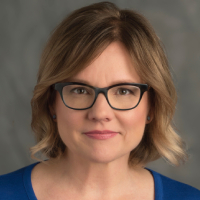
Karin McKie is a writer, editor and culture critic for outlets such as The Daily Beast, The American Alliance of Museums, EDGE Media Network, Third Coast Review and CircusTalk. She’s also a SAG-AFTRA actor, publicist and educator, as well as a weight lifter, yogini, cyclist, dog foster and voter registrar. Visit KarinMcKie.com for clips and details.