Understanding Backflow: Risks, Regulations and Prevention Measures in the 2024 IPC
National Backflow Prevention Day is observed annually on Aug. 16.
Editor’s Note: This article was previously published in Plumbing & Mechanical. August 16th marks National Backflow Prevention Day, celebrating the technologies and professionals that protect the safety and quality of our potable water supply.
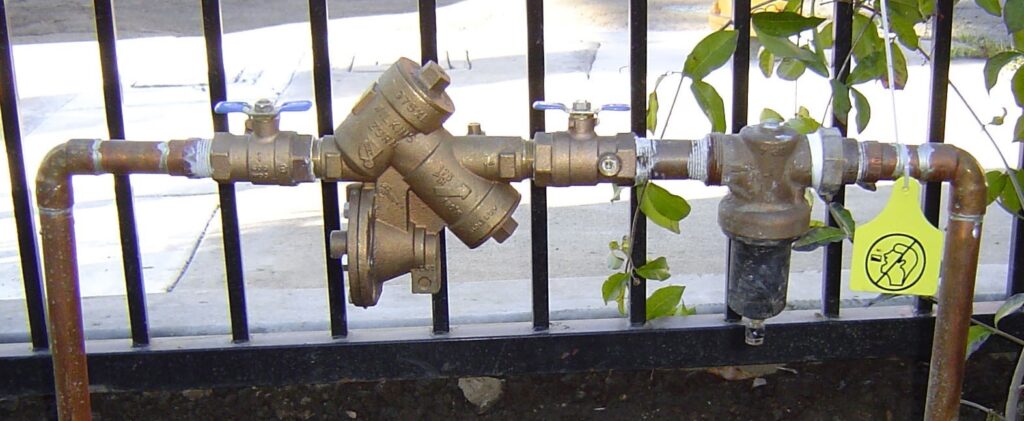
Backflow is a critical concern in plumbing systems, particularly regarding the safety and quality of potable water.
Defined in the 2024 International Plumbing Code® (IPC), backflow occurs when water flows in the opposite direction from its intended path, potentially introducing contaminants into clean water supplies.
The main causes of backflow are:
- Backpressure, where the pressure in a nonpotable system exceeds that of the potable system
- Backsiphonage, that occurs when negative pressure develops in the potable supply line, causing a reversal of flow
Historical Context
One of the most notorious examples of backflow leading to a public health crisis occurred during the 1893 World’s Fair in Chicago, where thousands of visitors unknowingly consumed water contaminated by a nonpotable source. The aftermath was tragic, resulting in significant illness and several fatalities due to drinking tainted water.
This event underscored the critical need to safeguard water supplies from contamination and highlighted the necessity of effective backflow prevention measures.

Key Regulations
The 2024 IPC addresses backflow prevention comprehensively in Section 608. This section outlines the mandatory requirements for backflow preventers to protect potable water supplies from contamination caused by cross-connections.
It establishes guidelines based on the degree of hazard, categorizing risks as either High Hazard or Low Hazard.
- High Hazard: These situations pose a significant risk of contaminating the potable water supply and require the most robust backflow prevention methods (e.g., reduced-pressure zone assemblies).
- Low Hazard: These scenarios pose less risk, generally allowing for less stringent preventive measures, such as atmospheric vacuum breakers.
Importance of Proper Backflow Prevention
An air gap is one of the most effective methods for preventing backflow in plumbing systems, as it creates a physical separation between the potable water supply and nonpotable sources, effectively eliminating the risk of contamination. The required air gap typically depends on the water outlet size; for instance, the IPC requires a minimum air gap of at least two times the outlet pipe diameter, with a standard minimum of one inch for outlets.
However, when an air gap is not feasible due to space constraints or specific plumbing configurations, selecting the appropriate mechanical backflow preventer becomes critical. These devices must be carefully chosen based on the degree of hazard present in the system, ensuring they provide reliable protection against backflow and maintain the safety and quality of the potable water supply. View section 608 of the 2024 IPC here.
Table 608.1 provides details on which backflow preventers are applicable for specific connection types, even when a potential cross-connection is not explicitly defined.
Choosing the appropriate backflow preventer is crucial to maintaining a safe potable water system. Improper selection can result in severe health risks if contaminants infiltrate drinking water. Manufacturers are responsible for ensuring that their backflow preventers are rigorously tested by independent third-party laboratories and adhere to relevant standards. This not only ensures the quality and safety of their products but also reinforces public trust in the systems that protect our water.
The Necessity of Testing
Additionally, proper testing of backflow preventers upon installation and before bringing the system online is essential. This proactive approach ensures that any issues are identified and rectified before the system becomes fully operational, providing an additional layer of protection for potable water.
Annual testing of mechanical backflow assemblies is crucial for ensuring the safety and quality of potable water supplies. These assemblies are designed to prevent contaminants from entering the drinking water system through cross-connections. Over time, however, wear and tear, sediment buildup and other factors can compromise their effectiveness. Regular testing helps identify potential failures before they lead to serious public health issues.
One of the primary reasons for annual testing is regulatory compliance. Most plumbing codes, including the 2024 IPC, mandate that backflow preventers be tested annually to verify their operability. This requirement ensures that systems are consistently monitored and maintained, reducing the risk of contamination.
Additionally, annual testing provides an opportunity to evaluate the specific conditions of the plumbing system. Changes in water pressure, the introduction of new equipment, or alterations to the plumbing layout can all impact the performance of backflow preventers. Testing allows for adjustments or replacements to be made proactively, ensuring continued effectiveness.
Furthermore, annual testing helps build public trust in the safety of drinking water. By demonstrating a commitment to maintaining and verifying the operation of backflow prevention systems, property owners and water suppliers can reassure the community that their health and safety are priorities.
The USC Manual 10 is a tool that provides essential guidelines for testing backflow prevention assemblies, ensuring these vital systems function properly to protect potable water supplies. It outlines standardized testing protocols that certified testers must follow, emphasizing the importance of accuracy and reliability in the testing process.
To ensure that testers possess the necessary skills and knowledge, certifications from the American Backflow Prevention Association (ABPA) and the American Society of Sanitary Engineers (ASSE) are crucial. These certifications verify that individuals have undergone rigorous training in backflow prevention and are well-equipped to perform inspections and tests. In states like Texas, there is a unique independent program for Backflow Prevention Assembly Testers (BPAT), which further enhances the state’s emphasis on backflow prevention.
For those interested in acquiring or renewing their certification, the International Code Council (ICC) offers Texas BPAT certification and recertification courses, available here. With ICC Contractor Training offering a mobile wet lab for these BPAT classes, ICC can come to you to provide the training required for TCEQ licensing.
On-Site Containment and Point-of-Use Protections
To further mitigate the risks of backflow and ensure that the potable water distribution system and public potable water are equally protected, cross-connection control strategies include implementing on-site containment measures and installing point-of-use protection systems.
On-site containment involves employing comprehensive backflow prevention systems at specific points in the plumbing infrastructure, particularly where high hazards are present. Point-of-use protection focuses on safeguarding specific endpoints in the system, like faucets or irrigation systems, effectively managing risk at the source of potential contamination.
Conclusion
Addressing backflow is more than a regulatory responsibility; it is essential for public health and safety. Understanding and adhering to the provisions outlined in the 2024 IPC, especially Section 608, can significantly reduce the risks associated with backflow incidents.
With attention to proper backflow preventer selection, rigorous testing and effective protection strategies, potable water systems can be safeguarded against contamination and ensure public health remains uncompromised.
To learn more about water-related issues and how codes and standards can help, view the ICC PMG webpage . Learn more about National Backflow Prevention Day, here.
About the Author

Director, PMG Technical Resources for the International Code Council (ICC), where he serves as a subject matter expert to the plumbing, mechanical, fuel gas codes, swimming pool & spa, and the private sewage disposal Codes (PMG). Having more than 23 years of experience working within the plumbing, mechanical and construction industry. Holding, a Master, Journeymen and Inspector with Medical Gas & Piping endorsement plumbing licenses, an “A” Refrigeration License with a Combination for HVAC and Refrigeration contracting, and several ICC plan review and inspection certifications in various disciplines, the highest of which is that of a Certified Building Official (CBO). Most recently prior to working with ICC, he served as Chief Building Official for the City of Fort Collins Colorado.