2024 IFGC Spotlight: Revised Section 403.6 Raises the Bar for Gas Piping Workmanship

For building inspectors, plans examiners, gas fitters, mechanical contractors and fuel gas system designers, code compliance often focuses on pipe sizing, combustion air calculations and venting requirements. Yet one of the most impactful updates in the 2024 International Fuel Gas Code® (IFGC®) addresses something more fundamental: the quality of the installation itself.
The 2024 IFGC identifies Section 403.6, Workmanship and Defects, as a provision that has been rewritten and supplemented with additional code language during the current code cycle. While the revision may not attract the same attention as major venting or appliance changes, it highlights a growing industry concern: even a perfectly designed gas system can become unsafe if installation quality is poor.
Why Workmanship Matters
The fuel gas industry has long recognized that failures frequently occur not because systems were improperly engineered, but because installation defects were introduced during construction. Improper cuts, damaged pipe threads, defective fittings, poor joining techniques or physical damage to piping can create leak paths and reduce system reliability over time.
The revised focus on workmanship reflects an industry-wide effort to reinforce installation quality as a critical component of life safety. Gas piping systems are expected to operate safely for decades. Minor installation defects that appear insignificant during construction can become major problems after occupancy, particularly when exposed to vibration, corrosion, settlement or thermal movement.
For code officials, Section 403.6 serves as a reminder that compliance is more than checking boxes. The quality of the installation remains an essential part of the approval process.
What the Update Signals
The ICC specifically notes that the existing language in Section 403.6 was rewritten and supplemented with additional requirements in the 2024 edition. Although many code users focus on highly technical provisions, the decision to revise this section sends an important message regarding the industry’s expectations for installation practices.
Historically, workmanship requirements were often viewed as broad performance standards that relied heavily on contractor experience and inspector judgment. By expanding the section, the code emphasizes that defects are not merely cosmetic issues. Installation deficiencies can directly affect safety, system performance and code compliance.
This shift aligns with trends throughout the construction industry, where quality assurance programs, third-party inspections and documented installation practices are becoming increasingly common.
Implications for Building Inspectors
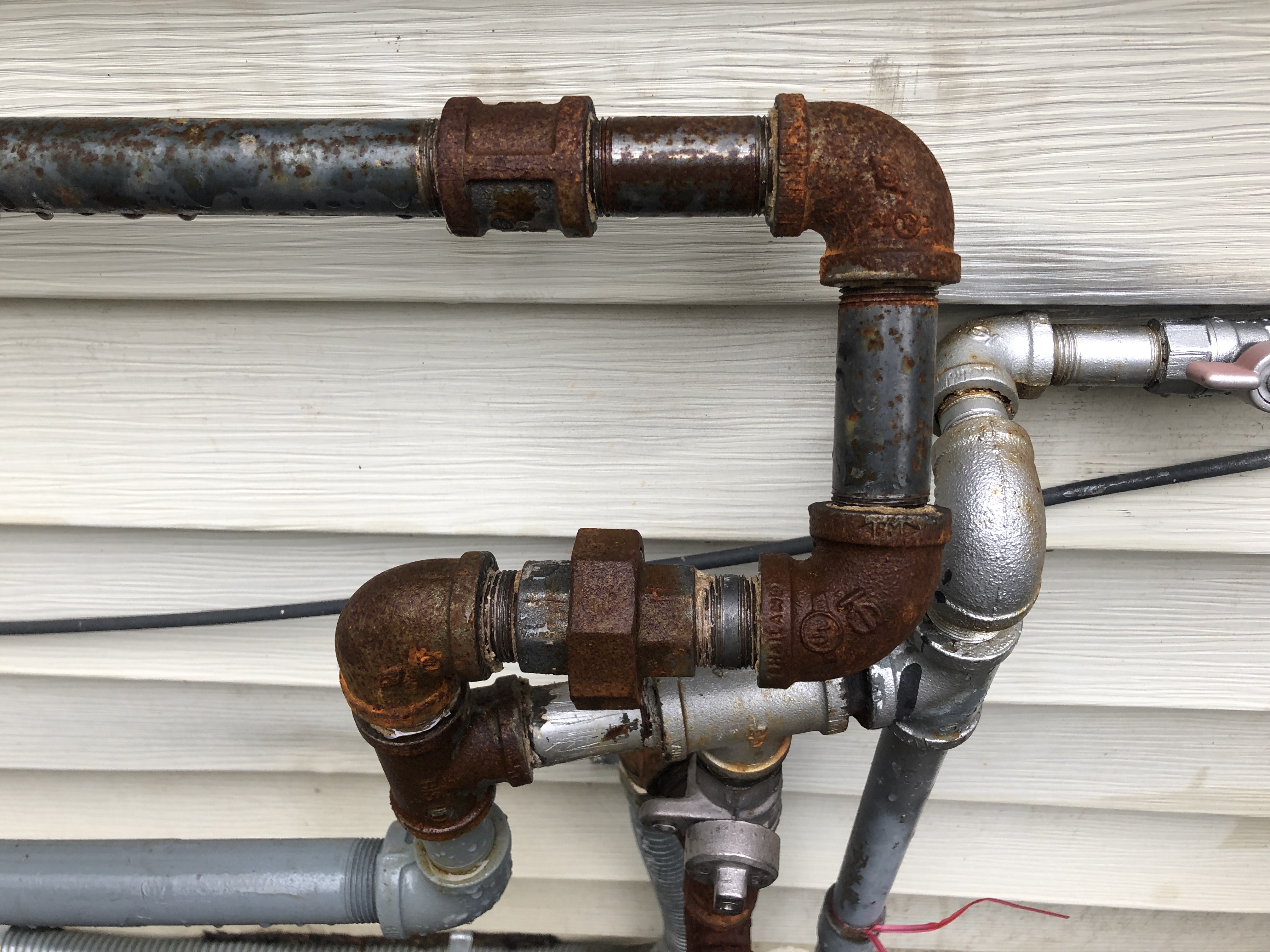
For inspectors, the revised section may encourage a closer examination of workmanship rather than focusing solely on pressure test results. A system may pass a pressure test yet still contain defects that warrant correction before approval.
Items that often deserve closer inspection include:
- Damaged piping materials
- Poor thread quality
- Improperly installed fittings
- Evidence of excessive mechanical stress
- Unsupported piping runs
- Corrosion or coating damage
- Improper field modifications to listed components
While pressure testing remains essential, workmanship evaluations provide another layer of protection against future failures. Inspectors who identify deficiencies early can prevent costly repairs and safety concerns after occupancy.
The update may also provide stronger support for correction notices when installation practices do not meet industry standards, even when a contractor argues that the system is operational.
What Plans Examiners Should Consider
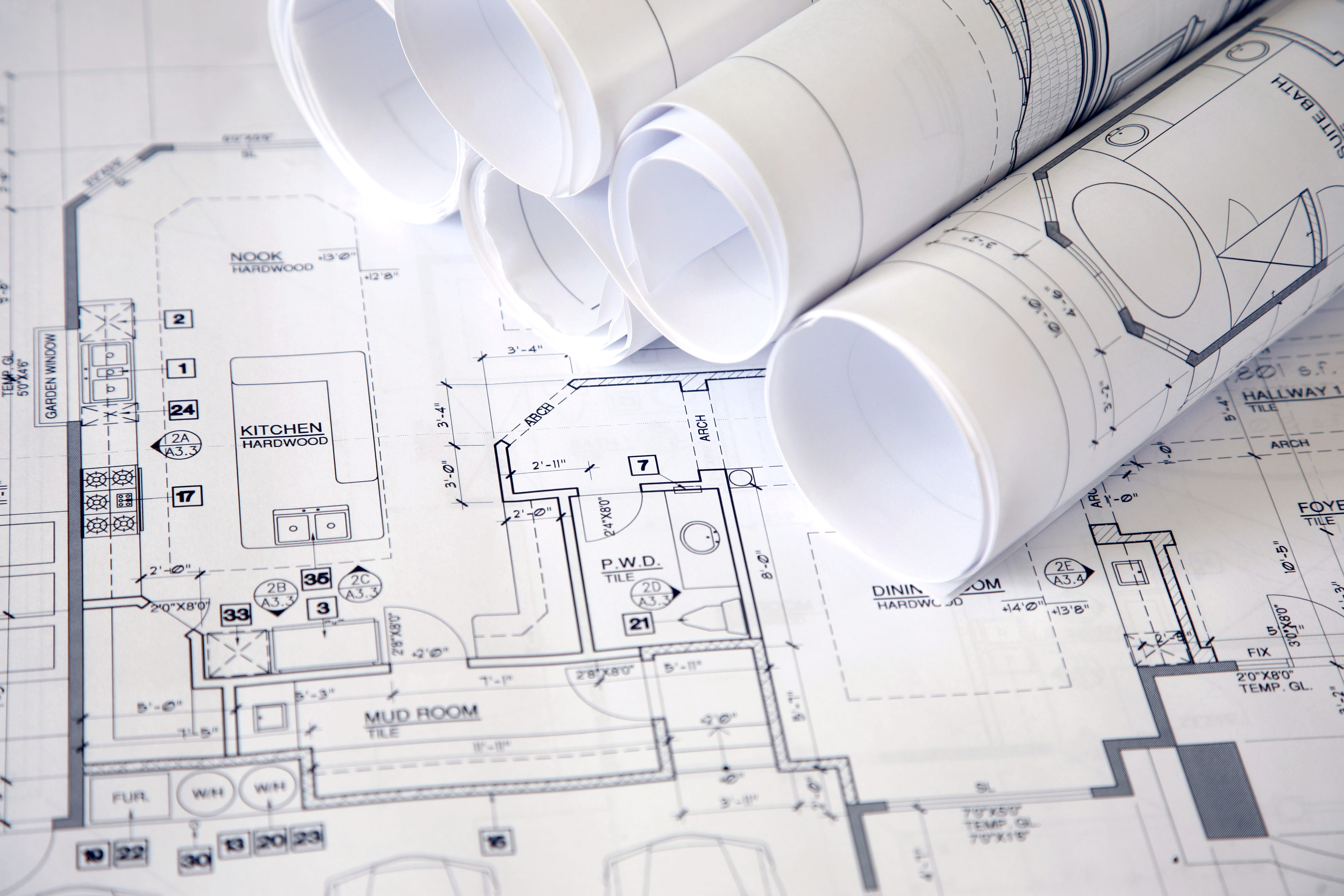
Although workmanship is primarily a field issue, plans examiners can contribute significantly to compliance by reviewing whether construction documents support a quality installation.
Large commercial projects often involve multiple contractors, specialty piping systems and phased installations. Drawings that provide clear routing, support requirements, material specifications and protection details reduce opportunities for field improvisation. When construction documents are vague, installers may make decisions that ultimately create workmanship concerns.
Plans reviewers should pay particular attention to locations where piping passes through structural elements, areas exposed to physical damage and interfaces between fuel gas systems and other building systems. These are common locations where workmanship problems emerge during inspections.
Impacts on Contractors and Skilled Trades
The revised language reinforces something experienced gas fitters have always known: craftsmanship remains one of the most important safety tools on the jobsite.
Labor shortages and workforce turnover have created challenges throughout the construction industry. Many contractors are relying on less experienced workers who may not have extensive fuel gas installation experience. The emphasis on workmanship can help companies justify additional training, supervision and quality-control procedures.
Leading contractors increasingly use installation checklists, documented self-inspections and photographic records before requesting a code inspection. These practices not only improve compliance, but also help reduce callbacks and warranty claims.
Contractors should view Section 403.6 as an opportunity rather than a burden. High-quality workmanship improves project outcomes, strengthens relationships with inspectors and reduces long-term liability exposure.
Guidance for Designers
Design professionals also have a stake in workmanship requirements. Designs that are difficult to construct often increase the likelihood of installation errors.
Routing gas piping through congested mechanical spaces, requiring excessive field adjustments, or creating difficult access conditions can inadvertently encourage workmanship issues. Designers who coordinate early with contractors and consider installation practicalities can reduce these risks.
Constructability reviews, BIM coordination and detailed specifications have become valuable tools for ensuring that design intent can be achieved without compromising installation quality.
The Bigger Picture
The revision to Section 403.6 may not generate the same discussion as changes involving venting systems or combustion air, but its significance should not be underestimated. During the consensus code development process for the 2024 IFGC, Section 403.6 was rewritten and expanded, reflecting a broader industry recognition that fuel gas safety depends on both proper design and proper execution.
For inspectors, plans examiners, skilled trades and designers, the message is straightforward: code compliance does not end with calculations and material selections. The final installation must reflect professional workmanship and be free from defects that could compromise the performance of the fuel gas system. As jurisdictions adopt the 2024 IFGC, Section 403.6 is poised to become an increasingly important tool for promoting quality, accountability and long-term public safety.
To learn more about water-related issues and how codes and standards can help, view the ICC’s PMG Webpage
To stay updated on the latest PMG industry news, subscribe to ICC’s PMG newsletter here.
About the Author

Mark Fasel is a director, PMG technical resources for the International Code Council, where he serves as a subject matter expert to the plumbing, mechanical, fuel gas, swimming pool and spa codes.