Exhaust Systems and Makeup Air: Achieving Balance Under the 2024 International Mechanical Code®
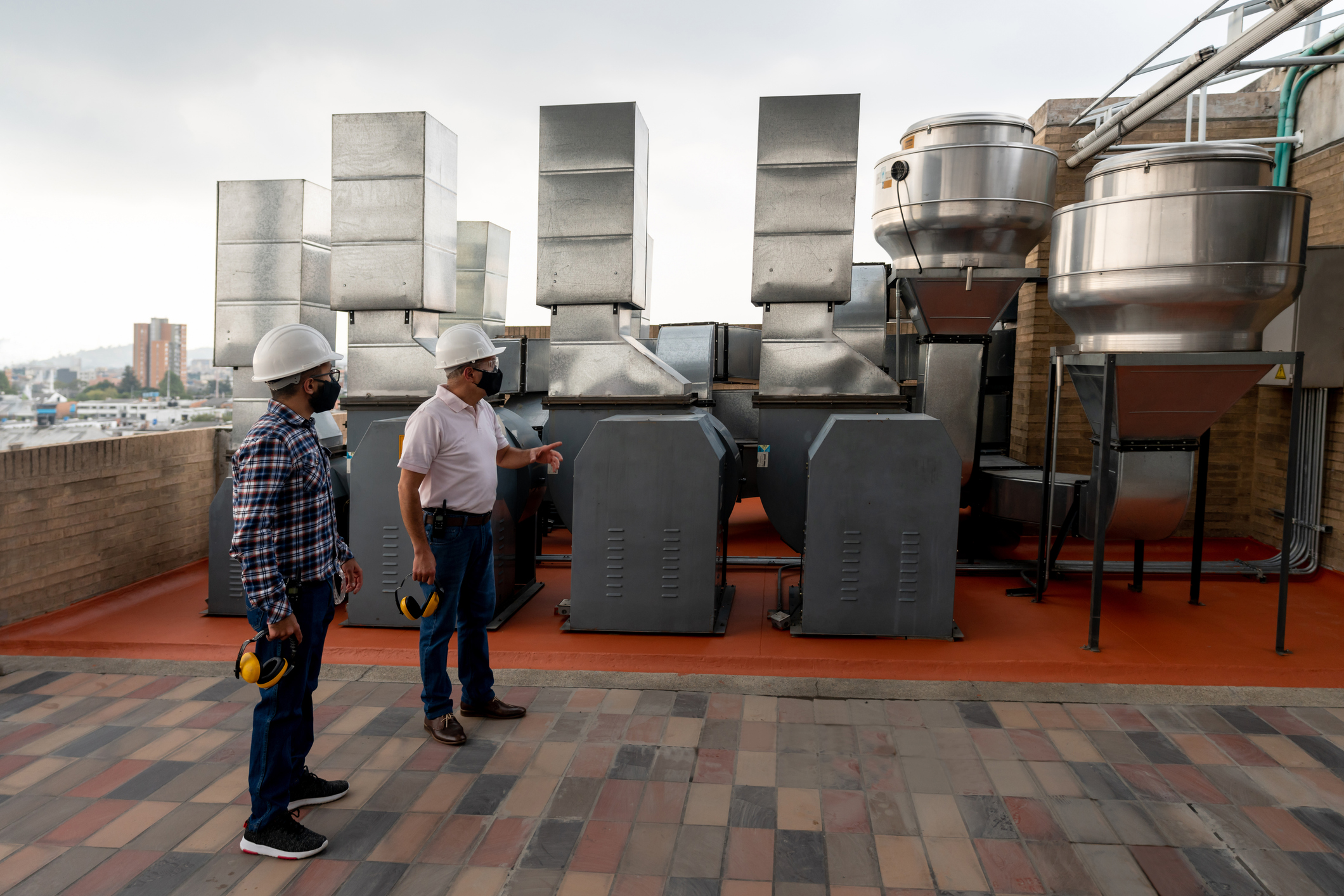
Mechanical exhaust systems perform a critical role in protecting occupant health, maintaining indoor air quality and reducing fire plus life-safety hazards. Whether serving commercial kitchens, parking garages, laboratories, restrooms or industrial processes, exhaust systems are designed to remove contaminants from a building. However, every cubic foot of air exhausted from a structure must ultimately be replaced. Failure to provide adequate replacement air, commonly referred to as makeup air, can create pressure imbalances that compromise system performance, occupant comfort and even building safety.
The 2024 International Mechanical Code® (IMC) recognizes this fundamental principle and includes several requirements intended to ensure exhaust systems and makeup air systems function together as an integrated design.
Why Makeup Air Matters
Exhaust fans create negative pressure within a building by removing air. If replacement air is not provided, the building will attempt to make up the difference through uncontrolled infiltration. Air may enter through doors, windows, loading docks, building envelope leakage or combustion appliance vents.
Excessive negative pressure can lead to several problems:
- Reduced performance of kitchen hoods and other capture systems
- Difficulty opening exterior doors
- Increased infiltration of unconditioned outdoor air
- Backdrafting of fuel-fired appliances
- Occupant comfort complaints
- Increased energy consumption
For building officials and plans examiners, many exhaust-related issues discovered during inspections can often be traced back to inadequate consideration of makeup air during the design phase.
General IMC Requirements for Exhaust Systems
Chapter 5 of the 2024 IMC governs the design, construction and installation of mechanical exhaust systems. Section 501 establishes general requirements and requires exhaust air to be discharged outdoors in a manner that does not create a nuisance and prevents exhausted contaminants from being readily drawn back into the building.
Independent exhaust systems are required for certain applications, including dryer exhaust systems, domestic kitchen exhaust systems, hazardous exhaust systems and commercial cooking exhaust systems.
The code addresses a wide range of exhaust applications, including:
- Environmental air exhaust
- Commercial kitchen ventilation
- Hazardous exhaust systems
- Parking garage exhaust
- Laboratory exhaust
- Dryer exhaust
- Smoke control systems
In each of these applications, designers must consider the impact of exhausted air on building pressure relationships.
Commercial Kitchens: A Primary Makeup Air Concern
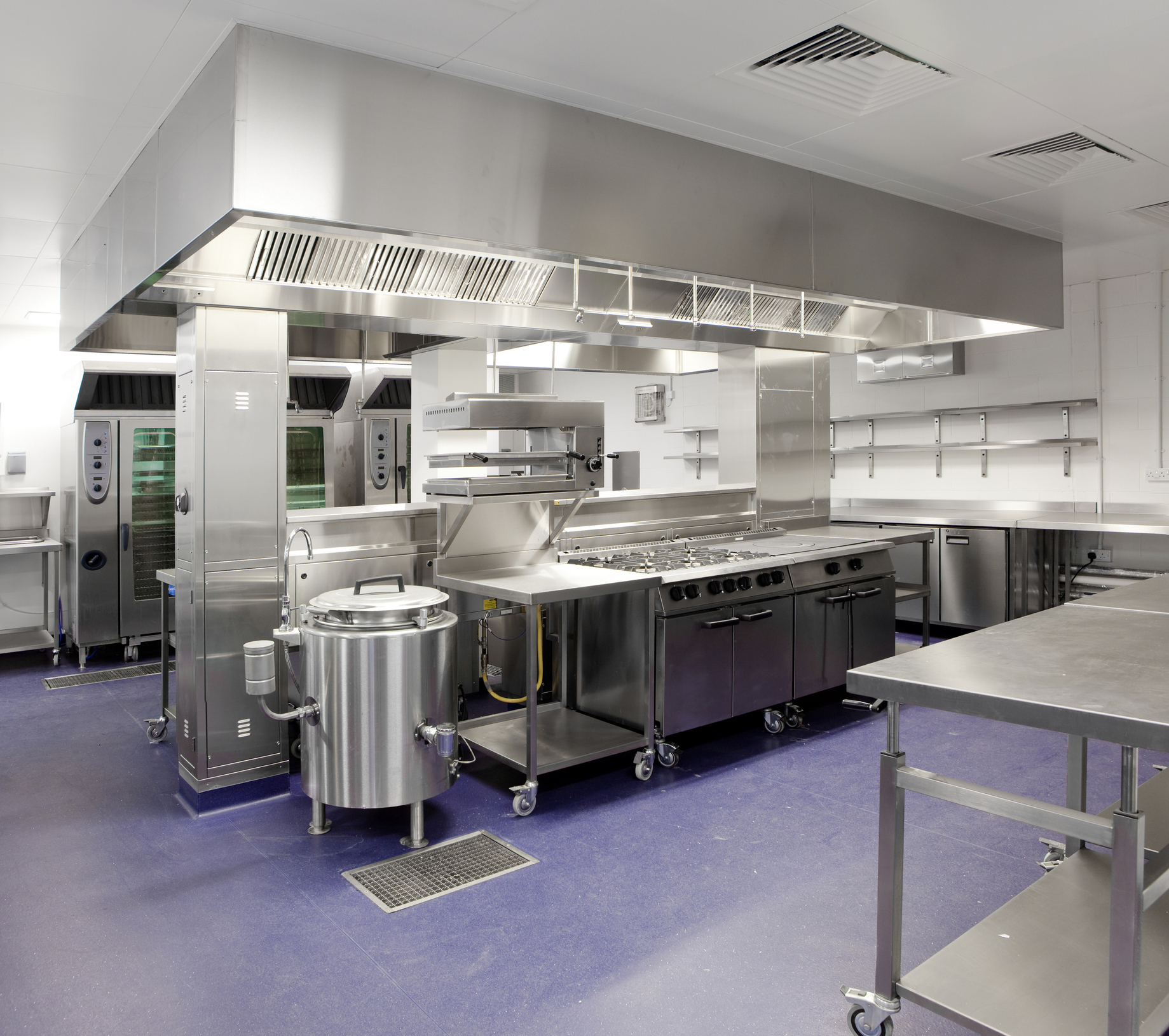
One of the most significant makeup air requirements in the IMC is found in Section 508, which addresses commercial kitchen ventilation systems. Commercial cooking appliances often require substantial exhaust volumes to capture grease, heat, smoke and combustion products.
Section 508.1 requires makeup air to be supplied whenever commercial kitchen exhaust systems are operating. The code further requires that the amount of makeup air supplied to the building from all sources be approximately equal to the amount of exhaust air removed by all exhaust systems in the building. Importantly, the makeup air system must not reduce the effectiveness of the exhaust system. Mechanical makeup air systems are required to start and operate simultaneously with the exhaust system.
This requirement reflects a practical reality observed by inspectors and commissioning professionals. A high-capacity kitchen hood can only capture contaminants effectively when adequate replacement air is available. Undersized makeup air systems frequently result in poor hood performance, smoke migration and operational complaints.
Conditioning Makeup Air
While replacing exhausted air is necessary, introducing large quantities of unconditioned outdoor air can create comfort challenges for kitchen staff. The 2024 IMC addresses this issue in Section 508.1.1.
The code requires HVAC systems serving the kitchen space to have sufficient capacity to offset the sensible and latent loads introduced by makeup air. Alternatively, the makeup air may be conditioned by a dedicated system such that the temperature difference between the supplied makeup air and the kitchen design setpoint does not exceed 10°F (6°C). An exception is provided for makeup air supplied through compensating hoods.
This provision recognizes that occupant comfort, energy efficiency and ventilation effectiveness must all be considered together. Designers should coordinate kitchen ventilation systems with the overall HVAC design early in the project to avoid costly redesigns later.
Considerations for Plans Examiners and Inspectors
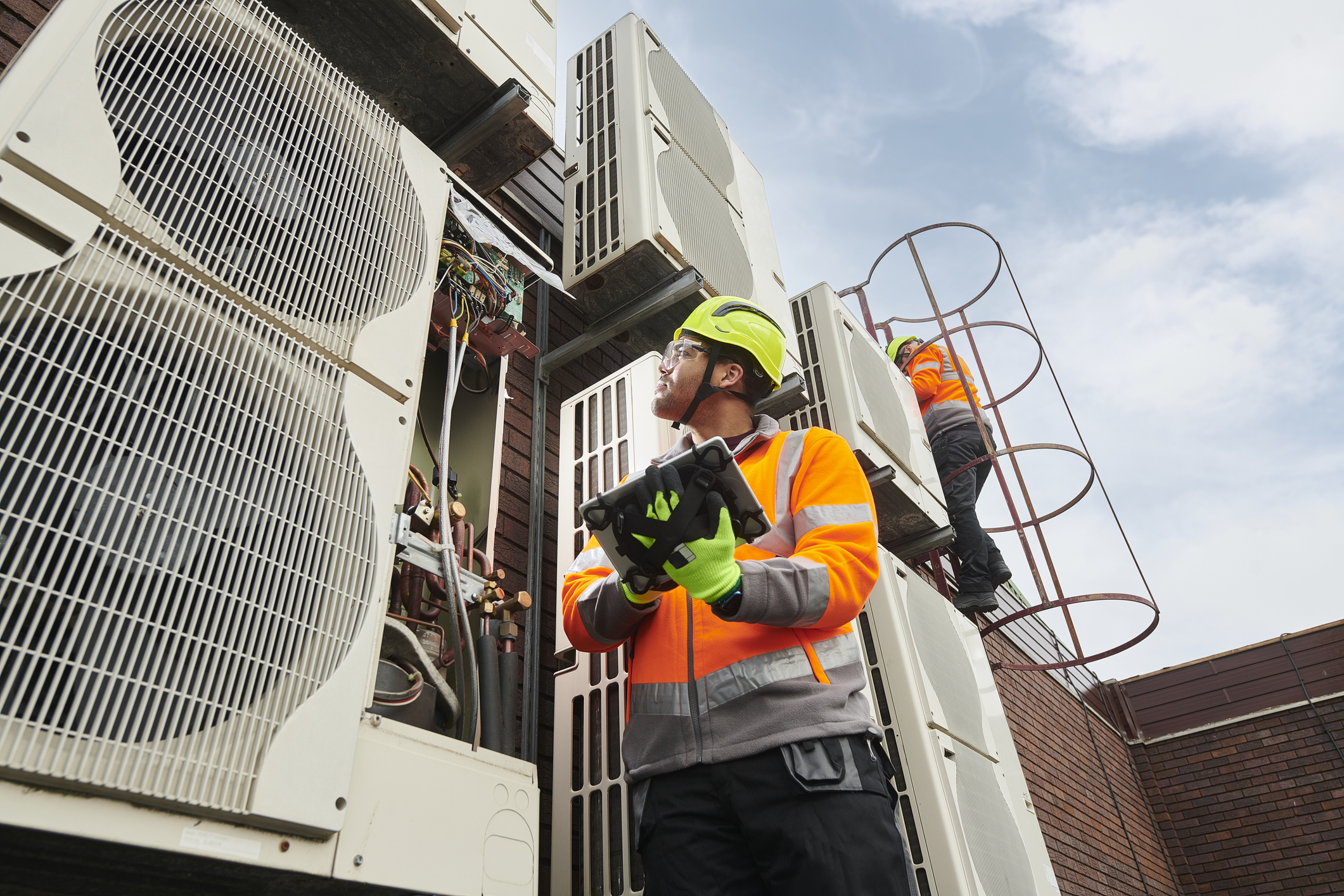
For code officials, review of exhaust and makeup air systems should extend beyond simply verifying exhaust airflow rates.
During plan review, key questions include:
- Is makeup air provided where required?
- Is the makeup air volume reasonably balanced with exhaust volume?
- Are exhaust discharge locations compliant with IMC requirements?
- Are automatic controls provided where makeup air systems must operate simultaneously with exhaust systems?
- Has conditioning of makeup air been addressed where required?
During field inspections, inspectors should verify that installed equipment matches approved construction documents and that interlocks between exhaust and makeup air systems function as intended.
A Systems-Based Approach
The most successful projects treat exhaust and makeup air as two parts of the same system. Designers, contractors, code officials and owners all benefit when building pressure relationships are considered early in the design process.
The 2024 IMC continues to reinforce this systems-based approach. By requiring properly designed exhaust systems and corresponding makeup air provisions, the code helps ensure effective contaminant removal, safer operation of fuel-burning equipment, improved occupant comfort and better overall building performance. As buildings become more airtight and energy efficient, maintaining this balance becomes increasingly important and dependent upon careful application of the code.
To learn more about water-related issues and how codes and standards can help, view the ICC’s PMG Webpage
To stay updated on the latest PMG industry news, subscribe to ICC’s PMG newsletter here.
About the Author

Mark Fasel is a director, PMG technical resources for the International Code Council, where he serves as a subject matter expert to the plumbing, mechanical, fuel gas, swimming pool and spa codes.