Deadly Hurricane Isaias Underscores the Importance of Disaster Mitigation and Preparedness
The hurricane broke a 121-year-old record as the latest forming inaugural hurricane of the 2026 Atlantic hurricane season.
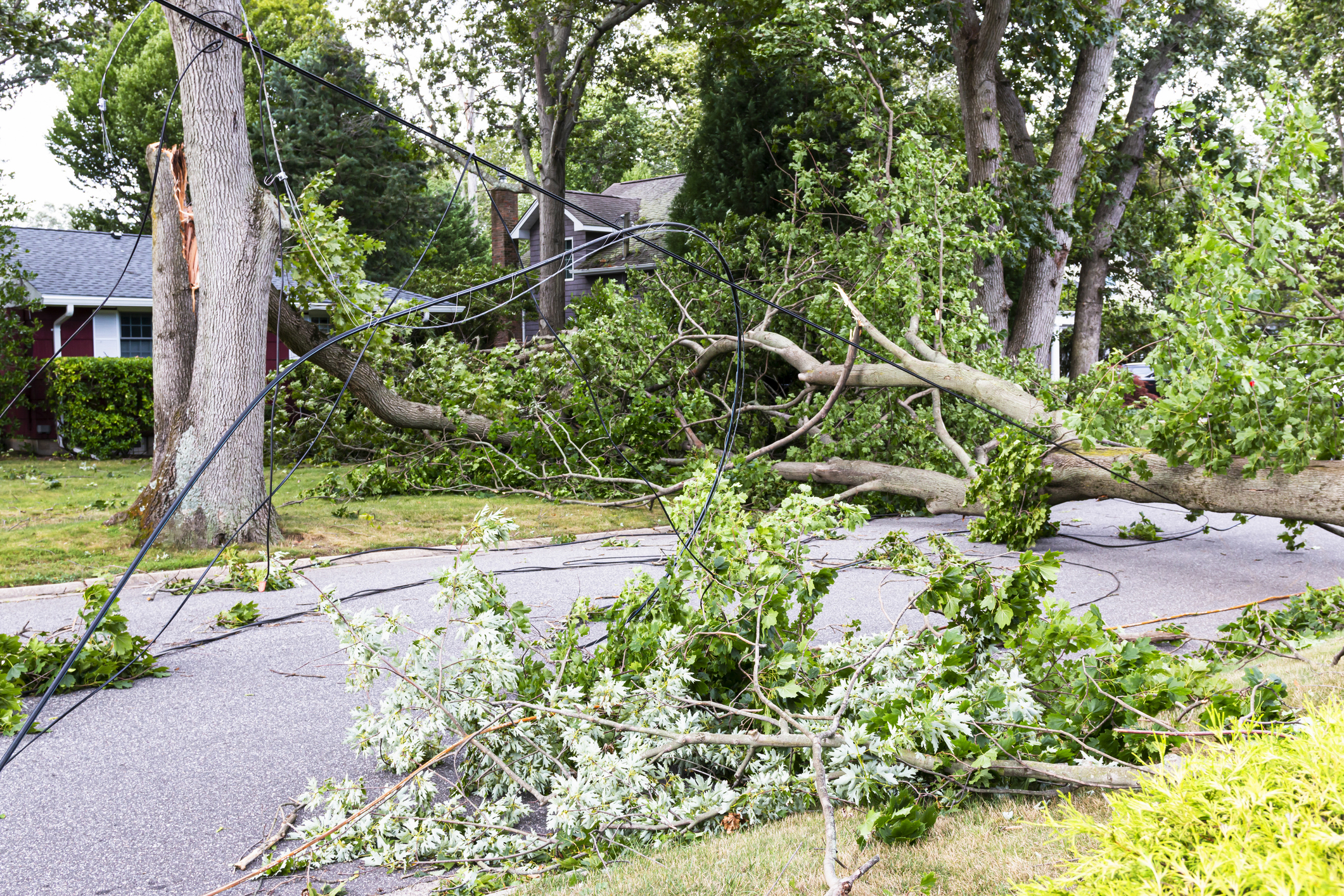
Hurricane Isais made landfall over Florida’s Gulf Coast late last week as a Category 2 hurricane, bringing heavy rain, damaging winds, storm surge and inland flooding. Eight deaths in Alabama and Florida have been reported, with thousands still without power.
Isaias was a late-season, fast-forming storm that peaked as a Category 3 hurricane prior to landfall. The hurricane broke a 121-year-old record as the latest forming inaugural hurricane of the 2026 Atlantic hurricane season.
Eight named storms preceded Isaias, but none reached hurricane strength.
Community-Level Disaster Mitigation and Preparedness
The continental U.S. continues to experience a wide range of natural disasters, and Isaias underscores the importance and ongoing need for community-level disaster mitigation and preparedness.
Building officials, fire code officials and emergency managers are at the forefront of these efforts and are ultimately responsible and accountable for a community’s ability to absorb disaster shocks and stressors during response and recovery, which is commonly measured in terms of community resilience.
Disaster Mitigation Resources
Code officials and emergency managers are encouraged to utilize the International Code Council’s (ICC) free resources to implement disaster mitigation activities and preparedness programs in their communities.
ICC’s Fire and Disaster Mitigation Team has published resources for building code officials, emergency managers, local elected leaders and the public to inform and educate them on specific hazards and how the International Codes® (I-Codes®) may be applied to help communities build natural disaster resilience capabilities and capacity.
Building code officials and emergency managers also have specific authorities, roles and responsibilities for natural disasters in the built environment. ICC offers targeted training through its When Disaster Strikes Institute series on how building safety professionals should plan for, prepare, and respond to natural disasters in their communities.
Visit ICC’s Fire and Disaster Mitigation Team web resource for more information on specific natural hazards and code-based mitigation resources including hurricane, flood, tornado, wind and wildfire.
About the Author

Karl Fippinger, CEM, PMP is Vice President, Fire and Disaster Mitigation for the International Code Council where he leads advocacy for resilient codes and standards in the built environment with the nation’s fire service and emergency management leaders. He is a 30-year veteran of the fire and emergency services having served as an Assistant Fire Chief in the Prince William County (VA) Fire and Rescue System as well as an adjunct instructor with the Fairfax County Fire and Rescue Department in Fairfax County, VA. Karl is a Certified Emergency Manager and previously served as a member of the Federal Emergency Management Agency’s National Advisory Council. He brings more than 30 years of public and private sector experience in federal, state, and local disaster preparedness, response, recovery, and mitigation.