How Cities Are Using Murals to Deter Urban Blight
Artistic alternatives to traditional remediation instill pride, protection and placemaking.
More cities around the country are wielding a paintbrush to battle and deter urban blight. Creative initiatives to transform eyesore building exteriors, vacant lots, alleyways and other spaces into a canvas for murals and other art are becoming increasingly popular. These initiatives inspire community pride and ownership, reflect the local identity, engage local artists, contribute to placemaking and offer economic benefits.
Collaborative, community-centered programs also offer cost-effective alternatives to traditional blight remediation, including graffiti abatement.
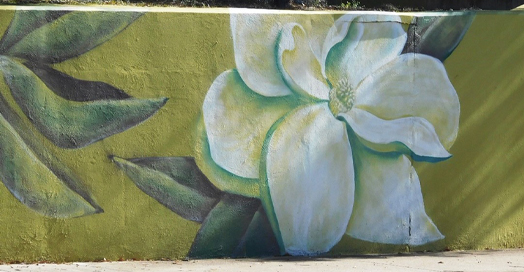
Detroit City Walls: From Blight to Beauty
Launched in 2017, the City of Detroit’s City Walls program was created to replace graffiti-covered, neglected walls and viaducts with vibrant, commissioned murals as shown in the City Walls Interactive Map.
City Walls is part of Detroit’s General Services Department’s Blight to Beauty Initiative that targets unoccupied, privately held commercial properties where property owners are unresponsive to blight violations issued by the City’s Building, Safety Engineering & Environmental Department Property Maintenance Division.
“The primary inspiration for these programs is a community-centered approach to revitalization,” said City Walls Program Director Bethany J. Howard, MCD.
By turning neglected spaces into works of art, the City seeks to transform resident experiences. The program uses a “reverse-engineered” approach in which art is developed organically by and with the community with City Walls as simply a facilitator for the work.
“City Walls projects are also a cost-effective addition to traditional blight remediation, providing funding and resources directly to the local artists,” said Howard.
From “UnMuraled” to “Muraled”
As part of Detroit’s placemaking, activating potential mural spaces such as overgrown alleys, corridors, parks and recreation centers transforms these areas into safe, inviting and vibrant gathering spaces.
“These projects serve as spaces for resident engagement and public interaction, which helps to shift the perception of art in neighborhoods from ‘unmuraled’ to ‘muraled,’” said Howard. “For example, our colleagues with Arts, Culture and Entrepreneurship (ACE) created the Arts Alley Initiative which transformed alleyways into community assets with improved lighting, surfaces, art installations and murals.”
Inspiring community ownership, Howard said murals can be an indicator of pride, rather than gentrification.
“Murals should tell the story of Detroit’s grit and resilience,” she said. “When residents see their own values, culture, thoughts, narratives or local figures depicted on a massive, professional scale, it fosters a deep sense of ownership and belonging.”
Detroit’s latest initiative is UnMuraled, a new mural residency format that shifts from a traditional residency to an artist proposal-based system amplifying local artists and their vision.
“The program replaces the City’s former Blight Abatement Artist Residency Program (BAARP) and invites artists to submit their own creative proposals for specific corridors that currently lack art, giving them more autonomy to shape the visual identity for neighborhoods, with and for the neighbors,” said Howard.
An earlier mayoral push in 2013 aimed to eradicate graffiti around Detroit.
“Significant enforcement and legal actions combined with a graffiti remediation team led to a reduction in tags and graffiti as well as a robust debate about the difference between graffiti as vandalism/street gang tags and graffiti as an urban art form,” said Blight to Beauty Project Manager Helen Broughton. “The conversations led to funding and a plan to use art murals as a graffiti deterrent.”
Howard said by installing high quality, sanctioned public art, Detroit creates a deterrent to illegal tagging while demonstrating a commitment to well-maintained public spaces. Residents, block clubs and neighborhood organizations who are involved in the mural process usually “protect” the art spaces and carry that projection.
Phoenix: Love Your Block
The City of Phoenix’s Love Your Block (LYB) grants program helps fund various neighborhood projects that benefit the community and increase neighborhood engagement.
LYB is administered by the City of Phoenix Neighborhood Services Department that enforces the City’s zoning codes. The program was inspired by the belief that residents know their neighborhoods best, and that neighborhood projects focused on beautification and public safety are powerful tools for transforming public spaces.
Grant-funded projects through various sources include community pollinator gardens, community cleanups, free libraries, neighborhood sign toppers and murals.
“When you replace graffiti or blighted areas with murals created by the community, it brings new energy into the space,” said Yvette Roeder, deputy neighborhood services director, City of Phoenix. “It gives residents a voice and celebrates the culture of the neighborhood. It also reduces the likelihood of graffiti. Murals can turn something negative into something positive.”
The outcome? Projects that not only beautify their environment but also transform spaces into welcoming places that reflect their neighborhood’s unique characteristics and residents’ personalities.
“When residents see ideas brought to life through murals, gardens, clean-ups or community events, it builds pride and a sense of ownership,” said Roeder.
The City of Phoenix Neighborhood Services Department created a practical Love Your Block Phoenix Toolkit to develop resident-driven, volunteer-fueled projects to transform blighted areas into community projects. To avoid starting from scratch, it provides other cities with ready-to-use planning tools, templates and projects.
“Whether a community wants to address graffiti, clean up vacant lots or create public art, the toolkit lays out the steps, materials and best practices that have worked here in Phoenix,” said Roeder. “It basically turns our on-the-ground experience into an easy, actionable guide that any City can adapt to fit its own neighborhoods.”
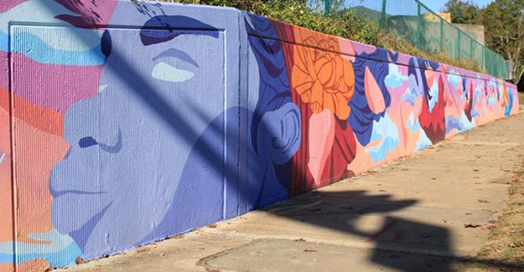
Tallahassee: Graffiti to Mural
Unsightly graffiti negatively impacts the entire community, its neighborhoods and property values. Its potential association with gang-related activity and other criminal acts also poses a threat to public safety and welfare.
As part of its collaborative Graffiti Abatement Program, the City of Tallahassee’s Graffiti to Mural Program addresses graffiti through alternative artistic interventions administered through its Housing and Community Resilience (HCR) Code Enforcement Division to remove graffiti as soon as possible.
“The City’s graffiti to mural program is part of our Vacant to Vibrant effort where we seek to transform vacant, often graffitied or tagged walls and transform them into public art,” said Adam Jacobs, HCR Manager, Budget and Capital Projects, City of Tallahassee. “Public art can be an effective way to combat blight while creating a sense of place and reflects neighborhood culture.”
As shown in this video, the City collaborates across departments with community partners, business owners, neighbors and volunteers to proactively prevent graffiti and transform frequently tagged walls into murals.
“So many of the walls are not City owned,” explained Adams. “They’re county owned, they’re state owned, they’re privately owned. There are only so many walls that are City owned that are in a high visibility area that get frequently tagged.”
A City neighborhood mural survey generated a tremendously positive response. Through a call for artists process, Adams said they selected muralists experienced in creating murals at this scale.
“Public art can help transform the neighborhood, bring a sense of place to an area and also tends to deter graffiti, which is one of the main reasons we’re implementing the program,” he said.
Dallas: From Vacant to Vibrant
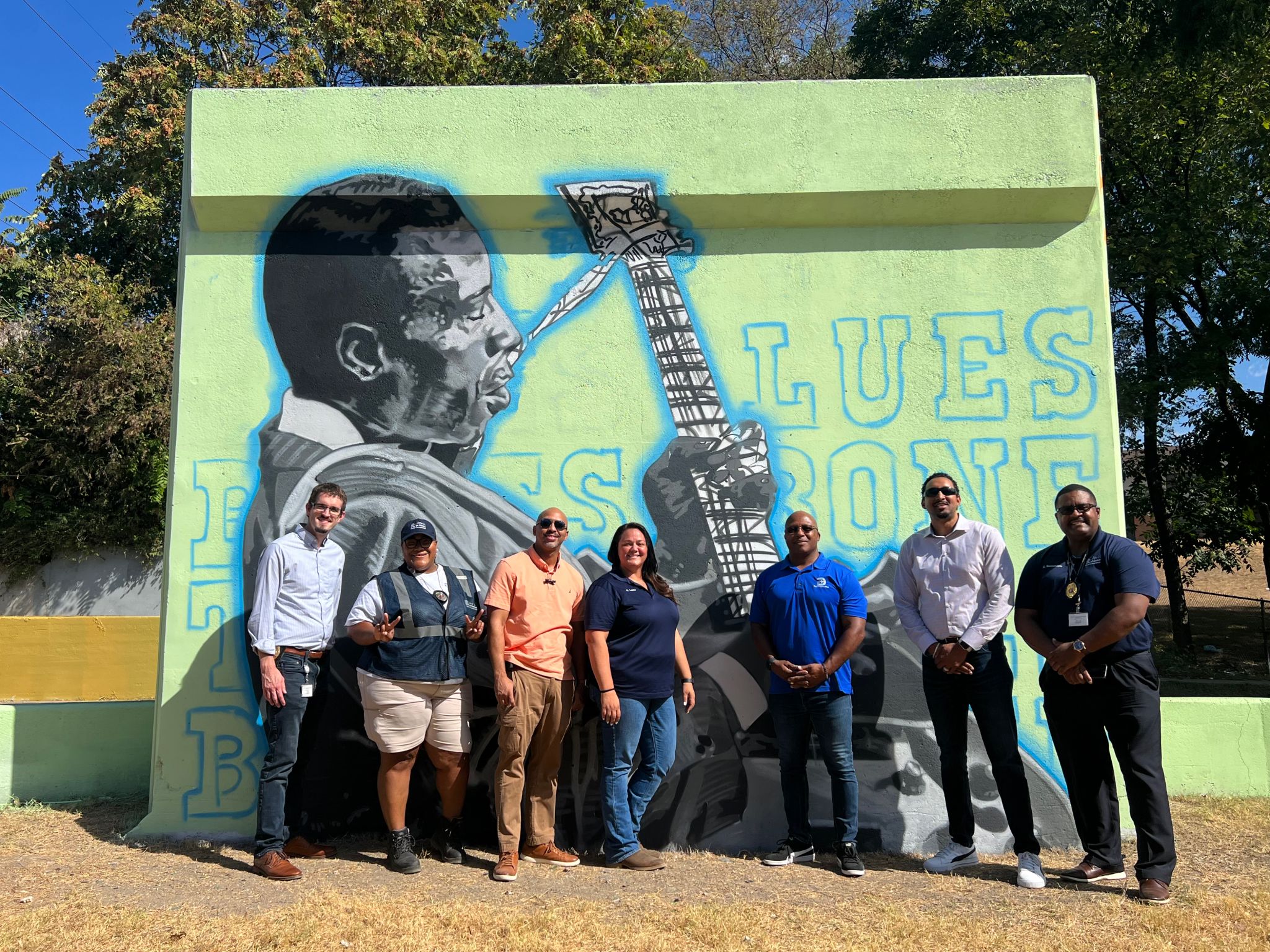
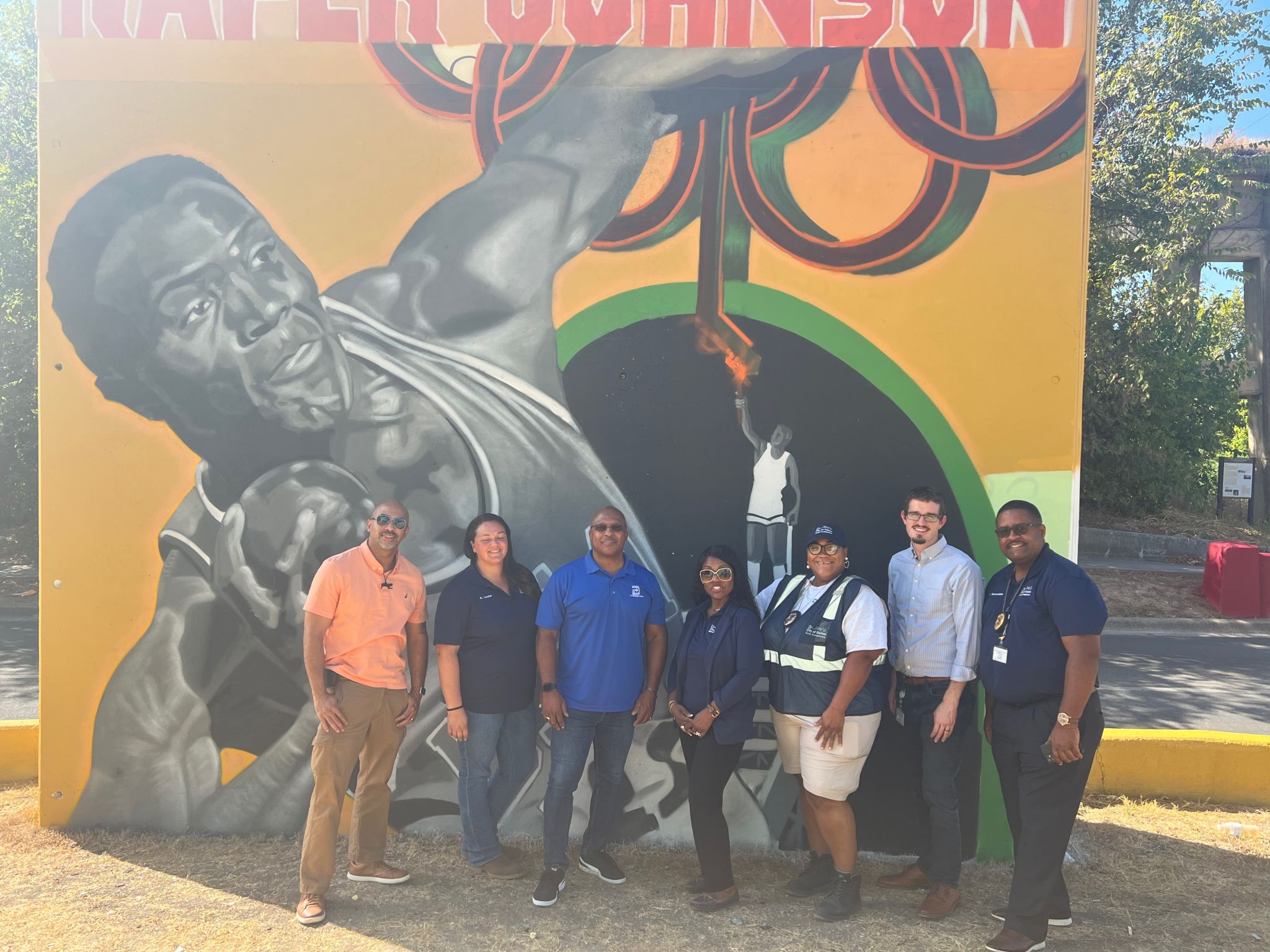
The City of Dallas incorporates art installations by local artists to transform vacant lots into vibrant spaces.
Art initiatives through the framework of Keep Dallas Beautiful (KDB) are among the City’s community programs that earned it the International Code Council (ICC) 2025 Community Service Award.
“By integrating service, art and partnerships into enforcement strategies, these initiatives elevate the profession, build public trust and provide a replicable model for jurisdictions nationwide,” said Brian Morris, MBA, PMP, former assistant director, Dallas Code Compliance Department and current director, Code Compliance Department, City of Garland, Texas.
Why It Matters
Roeder said programs such as Phoenix’s Love Your Block Program matter because they empower residents to take an active role in improving their own neighborhoods.
“By providing small grants, tools and supports, the program helps communities tackle blight, create safer and more beautiful public spaces and strengthen connections among neighbors,” said Roeder. “These projects don’t just fix the problems; they build trust, inspire pride and show what’s possible when the City and residents work together.”
Howard emphasized that art allows Detroit to “wear its glory on its wall.”
“Instead of allowing blight or unauthorized graffiti to define a neighborhood, these programs allow the community to control its own visual narrative, showcasing strength, history and diversity to residents who see them every day and visitors who want to see them,” said Howard.
As the City of Tallahassee emphasizes, if graffiti is not promptly removed, it encourages creating additional tagging and the spread of blight.
“Public art can be such an important component of sense of place to a community,” said Adams. “It brings that identifying marker.”
Morris emphasized that art and placemaking transform forgotten spaces into symbols of pride.
“These initiatives matter because they address root causes, not just symptoms—reducing blight, discouraging illegal dumping, increasing property values and improving overall livability. When residents feel proud of their neighborhood, they actively defend it,” said Morris.
Learn more about ICC’s new code enforcement program here.
The Building Safety Journal (BSJ) Weekly is a weekly newsletter from the International Code Council that covers the latest news on the building safety and construction sectors. It offers everything from in-depth technical articles about innovative technologies to quick tips, personal perspectives and more. Click here to subscribe.
About the Author

Lorelei K. Harloe is an independent communication partner and writer to national trade associations, primarily in the building, architecture and energy industries. She has held leadership roles with professional groups and is located in the Washington, D.C. area. Her outside interests include hiking, golf, teaching English as a Second Language and other volunteer activities.