The Career Path of a Building Safety Professional (Part 2)
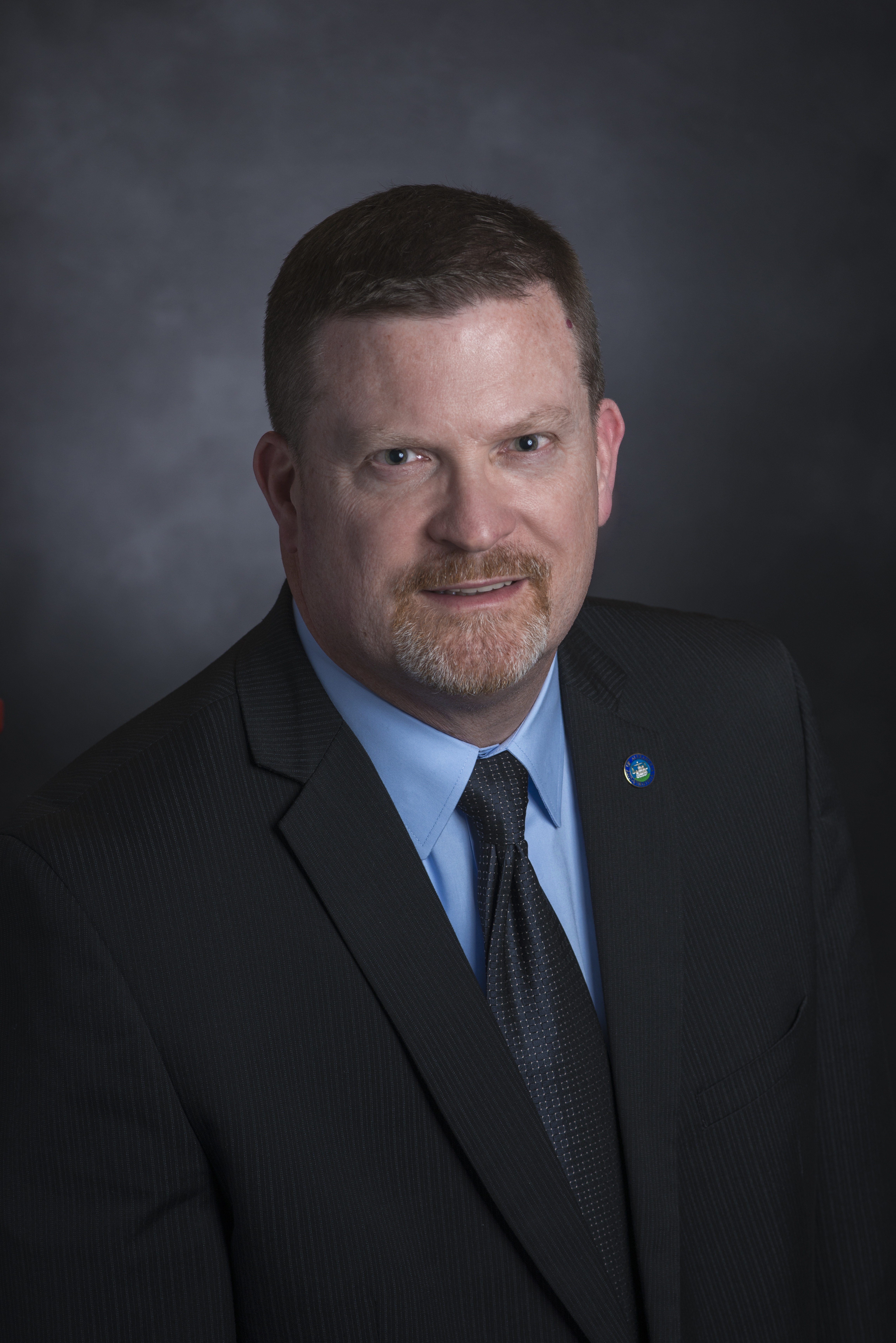
Gregg Fields’ background in designing, installing and selling fire protection systems led to a prolific and highly rewarding career in building safety.
This is Part 2 in our series chronicling the career path of building safety professionals. Part 1 can be read here.
Building officials have many responsibilities that go beyond code interpretation and enforcement. They strive to educate the public about the value of code compliance, help each other learn and grow their careers in building safety, give back to their communities and work hard to ensure that newcomers have a path to enter this vital industry.
Gregg Fields, Director of Code Administration for the City of Alexandria, Virginia, has seen another responsibility emerge in his own work and among other building officials: the need to be politically savvy.
“To me, a building official today is someone who is going to be very in tune politically with legislative issues as it relates to building codes,” said Fields.
Making Code Changes to Help Those Who Need It Most
Fields has firsthand experience with the legislative process. In his role as Director of Code Administration, he is also Alexandria’s Building Official and Property Maintenance Official. He works with the legislature to solve critical issues, including one involving old heating and cooling units in multi-family rental properties.
Unlike modern HVAC equipment, these common building-wide units take time to turn over, creating challenges whenever seasons change. Early spring and early fall can bring harsh fluctuations between hot and cold weather.
Currently, the Virginia Property Maintenance Code (VPMC), which is based on the International Property Maintenance Code® (IPMC), requires air conditioning units to be active by May 15 each year. Heat must be provided until May 1. This creates a 15-day gap and does not address warmer days in April.
Consumers voiced their concerns to the state legislators, so Fields partnered with Arlington County and other jurisdictions to modify the code, providing building officials with some flexibility in deciding when heating and cooling should be made available. While this code change is not yet official, Fields is confident it will be implemented after the final hearing in May 2026.
“More and more, our local representatives are being more responsive to their constituents,” said Fields. “Some of them involve bills that are code-related, so it’s important for us to be involved in it too. We need to make sure we have relationships with our representatives, because these things really need to be in the building code process, not in the legislative process.”
An Early Career in Fire Protection Ignited Fields’ Passion for Building Safety
Fields’ career began in the design, installation and sales of fire protection systems. His first job was with R.D. Wood and Associates, where owner and consulting engineer Roger Wood took him under his wing and showed him the ropes. He was then hired by Pierce Associates and continued this career for about 15 years until someone from the City of Alexandria reached out to him. Alexandria didn’t have a fire protection specialist at the time and was especially interested in Fields’ background.
“Initially, I was a plan reviewer for the city,” Fields recalled. “I reviewed multiple disciplines, mostly focused on fire protection, but I started learning about the building side and the other trades.”
Art Dahlberg, Building Official for the City of Cincinnati, Ohio, was in charge of Alexandria’s building department at the time. He was succeeded by the late John Catlett, a key figure in the code development process across the International Code Council (ICC) and the Virginia Building and Code Officials Association (VBCOA).
“John was the one who started getting me involved in the code development side of things and the code professional organizations,” said Fields. “He was a Master Code Professional, the highest certification you can achieve.”
Fields rose through the ranks and became Division Chief and later Deputy Building Official before achieving his current position as Director of Code Administration.
“I can’t believe I’m saying this, but I’ve been fortunate to have spent 25 years in this field and greatly enjoyed it, serving others, ensuring safety, the livability of buildings,” said Fields. “It’s been a good career path.”
Committed to Building Safety From Day One
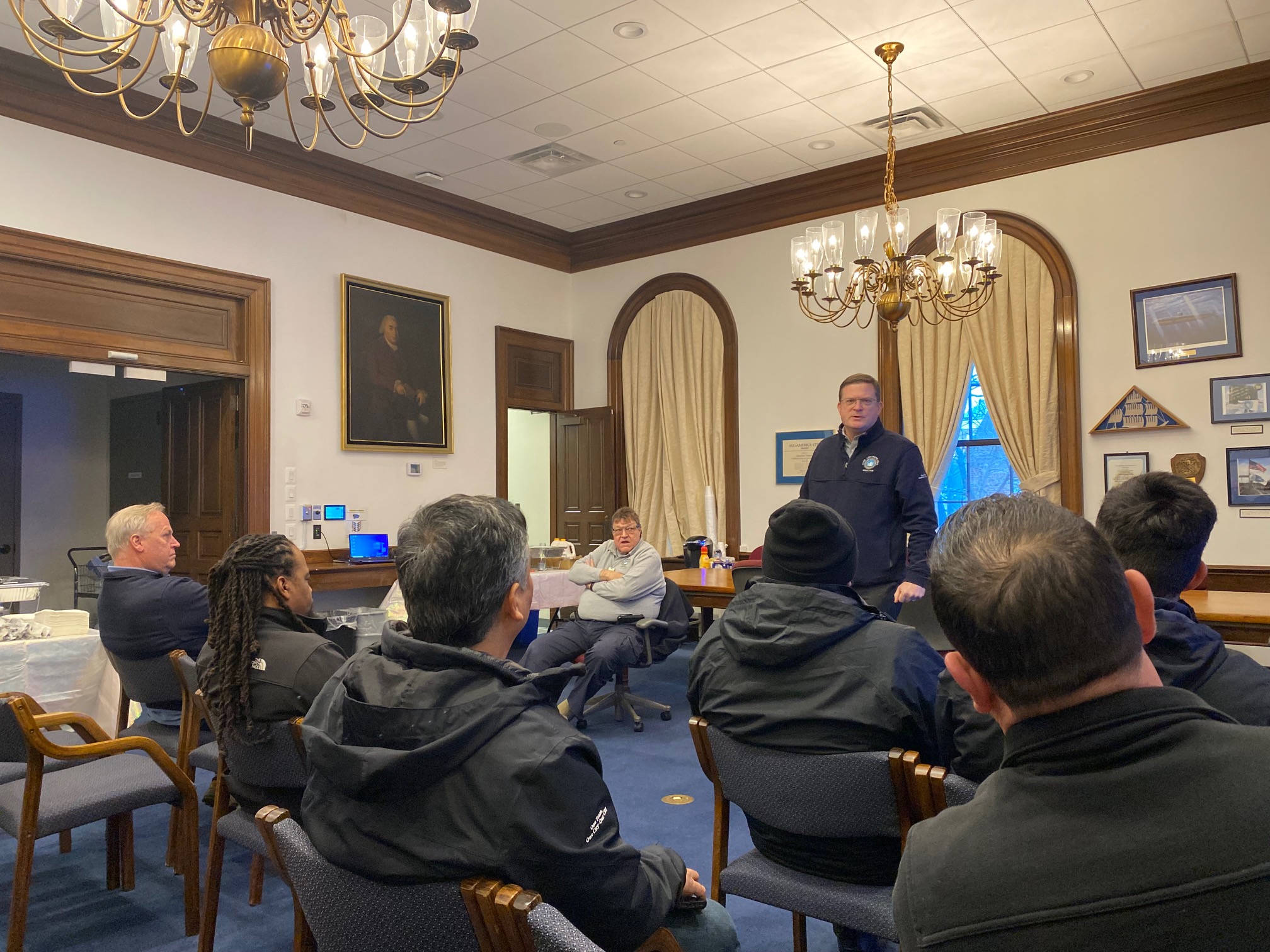
Fields was very active in the VBCOA, serving as the Chairman of Region V (Northern Virginia) for two years. He also served as Sergeant at Arms for the entire statewide organization and worked his way up to Second and First Vice President before becoming President in October 2017.
His work with ICC includes serving on the International Existing Building Code® (IEBC) Committee, and he was also part of the Building Officials Membership Council. He was part of the team that developed the original High School Technical Training Program, which later became the ICC Technical Training Program (TTP). At the time, Virginia led the country by having the largest number of schools in that program. He was also part of the team that brought the ICC annual meeting to Richmond, Virginia in 2018.
With all of the trade organizations represented (fire prevention, plumbing and mechanical, etc.), as well as building officials and the Department of Housing, Fields was committed to building the best event yet. He and other team members worked on their vision for the expo, raised money by securing sponsorships, and created the colonial theme for the welcome event, among other tasks.
Mentored by the Best and Eager to Mentor Others
Fields is a strong believer in the power of mentorship, both as a mentor and as a mentee. He said that building safety professionals should always have a mentor and, at the same time, be a mentor to someone else.
In addition to John Catlett, Fields said he learned a lot from Emory R. Rodgers, who spent more than four decades in building safety. The ICC Emory R. Rodgers Leadership in Building Safety Fellowship Award and the VBCOA Emory R. Rodgers’ Educational Scholarships were created as a way to honor his legacy.
“Emory was a big part of both organizations,” said Fields. “He was a mentor of mine and had a big impact on me getting involved in code work.”
Rick Witt, Building Official for Chesterfield, Virginia, was another notable mentor. Fields described Witt as someone that would take the time to answer any question and thoroughly explain every answer. He noted that Witt served on “probably every ICC committee you can think of” and was “heavily involved in the code development hearings in ICC and Virginia.”
Last but certainly not least, Fields gave a shout-out to ICC Past President Cindy Davis.
“She’s always been supportive; she’s always looking to get ahead of issues, looking for ways to resolve any kind of code development problems or challenges ahead of time,” said Fields. “She was very instrumental in that. I’m very thankful to have so many mentors in Virginia who are also on the national stage of code development.”
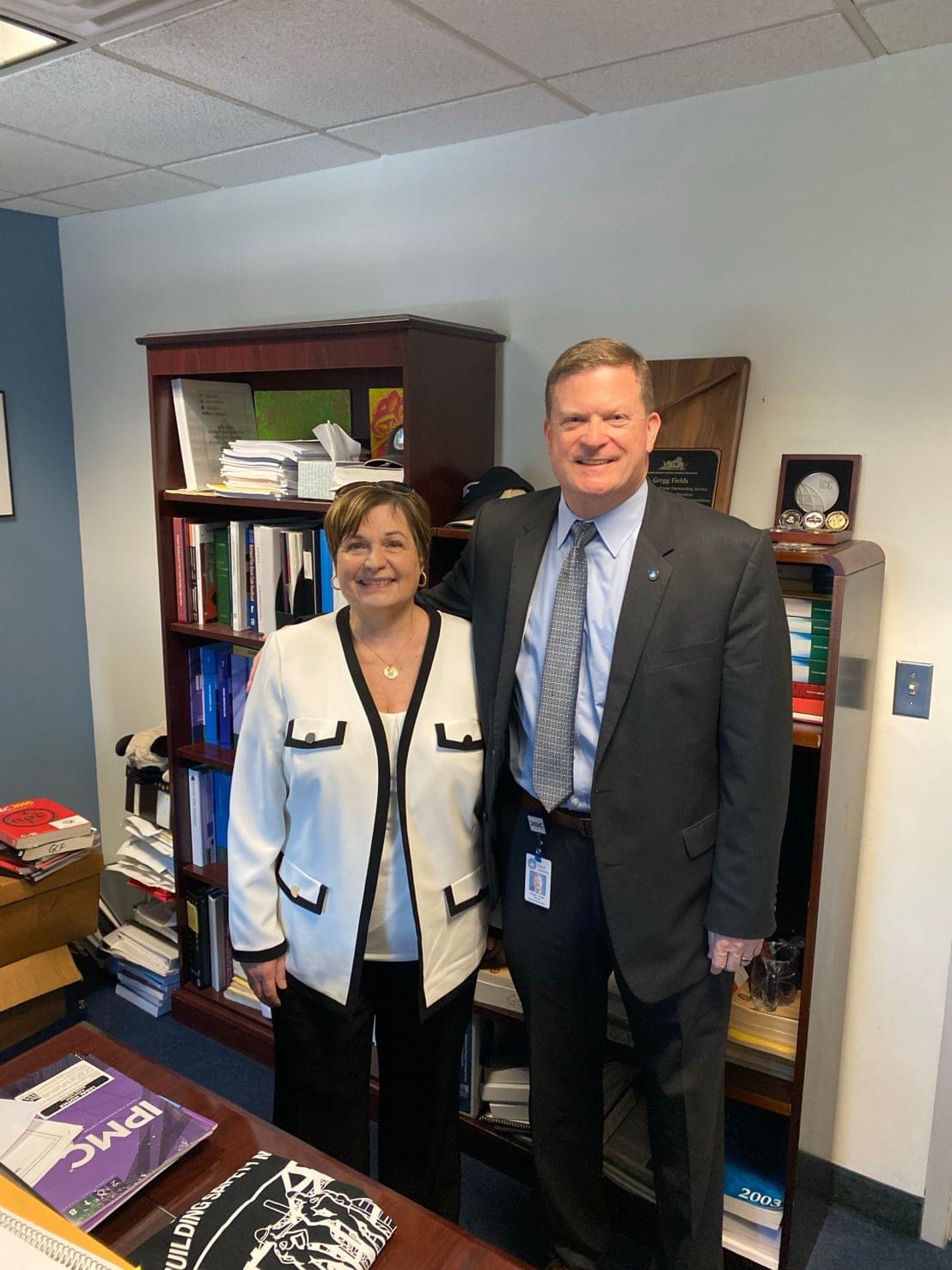
Driven to Help Others, Inspired by His Team
Fields relishes the opportunity to help find solutions to building safety problems. That’s his favorite part of the job, whether assisting an architect to work through a complex code challenge or being a voice for tenants who want safe and livable housing.
“You’re continuously learning and solving problems in building safety,” said Fields. “There’s never a dull moment. You’re challenged every day, so time moves quickly. You look back and five years have gone by, and you wonder where it went.”
Fields credited his team with inspiring and motivating him. He praised their dedication, creativity and intelligence. He appreciates their support and acknowledged how engaged and committed to helping others they are.
All of that, and his overall love of building safety, make it difficult to look toward the end of his current career. While Fields doesn’t anticipate that he’ll stay on the job forever, he isn’t necessarily concerned about retirement. And when that day comes, whether five years from now or sooner, he wouldn’t mind finding a similar job to take advantage of his talents.
“I’ve been doing this for 25 years,” Fields reflected. “There are no immediate plans for me to retire. Right now, my work is right here in front of me, and I’m not thinking too much about retirement.”
As Building Safety Evolves, AI Holds a Lot of Promise
Fields may not be terribly concerned about retirement, but he is thinking about the future of building safety and how much has changed since he started his career. He noted the elevated focus on energy conservation and renewable technology, as well as the goal of recycling materials when buildings are demolished.
Going forward, Fields is most excited about how artificial intelligence can help building safety.
“We’re working on a couple of AI initiatives in Virginia,” said Fields. “Our first focus is on permit processing, trying to make it consistent and something a customer can use without having to interact with staff. They can have a chatbot if they have questions about a process. For example, ‘How do I apply for a deck? How do I apply for an addition?’ [The bot will] bring up all the things they need and where to go and how to do it.”
A second, more complex initiative involves the development of AI for staff and designers to assist with building codes. The goal is to have a tool to quickly determine what is needed for a particular project. Fields gave an example: “Where do I go to learn how to frame this wall three feet from the property line?”
“We’re working on those actively now,” he said. “The code one is a big project. We want to make sure we’re not conflicting with other codes and the AI isn’t looking [for info in] some other state, because Virginia obviously modified the International Codes.”
Ready to Celebrate Building Safety Month
Building Safety Month, an international celebration in May to raise awareness about building safety, is right around the corner. ICC celebrates each year with special weekly themes, starting off with Week 1: Safe Homes, Strong Communities (May 1-10).
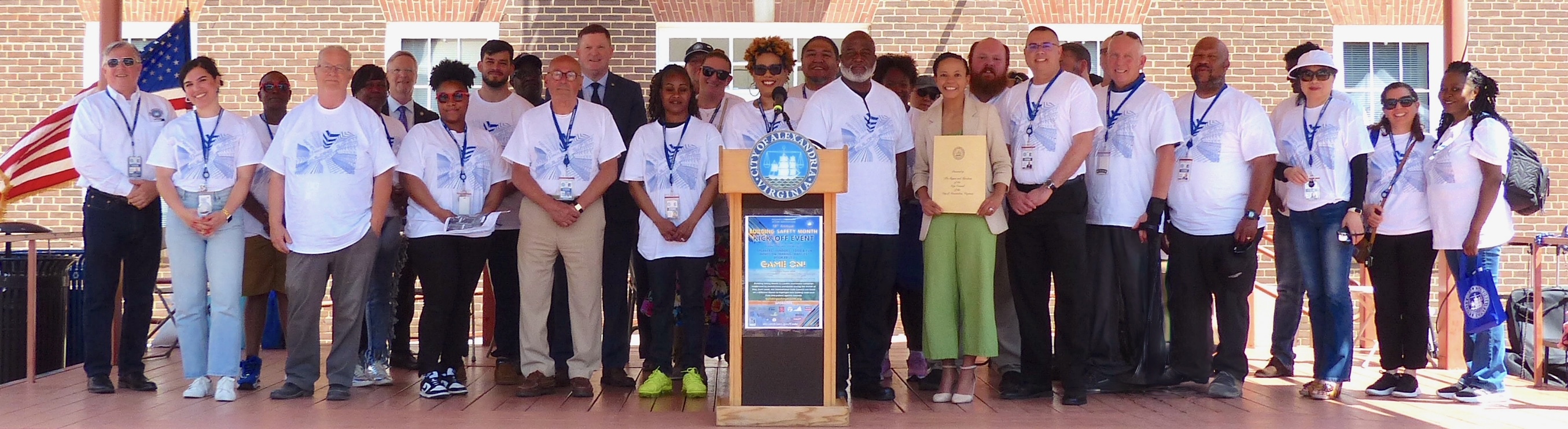
The City of Alexandria is also getting in on the celebration with its 14th Annual Building Safety Month Kick-Off Event on May 1, 2026. Scheduled to start at 11:00 a.m. at Waterfront Park, the event includes free training opportunities for building safety professionals and numerous speakers, including ICC Board Member and Director at Large Christina Jackson.
“It’s very well attended,” said Fields. “Our mayor and city manager both come. We’re going to have more council members attend this year, among other code-related folks, and our stakeholders around the city that we work together with. It’s a great event!”
To learn more about Building Safety Month, visit here.
To learn more about career opportunities in the building safety industry, visit ICC’s Safety 2.o webpage here.
About the Author

Louis Bedigian is a writer, editor and content strategist with experience producing short- and long-form content for a variety of industries. By day, he's Senior Copywriter for PR agency Brands2Life, where he transforms complex and often technical jargon into content that’s compelling and easy to digest. By night, he's Freelance Copywriter at Fundable, where he develops powerful narratives that drive brand awareness within the investment community.