Building Inspector Morgan Morrison Emphasizes Preparation, Consistency and Curiosity in Building Safety Careers
From the importance of Chapter participation, to communication, mentorship and more, here Morrison shares her career story and gives advice for other women considering joining the construction workforce.
Morgan Morrison, Building Inspector and Plans Examiner for the City of Mount Vernon, WA, started as a Utility Clerk in 2014 before transitioning to the permitting and building process department in 2019. After becoming a Permit Technician in 2020, she began to understand how much responsibility sits behind every approval.
“The deeper I got into code and construction requirements, the more I realized every permit, whether residential or commercial, represents someone’s safety and investment,” said Morrison.
“The process stopped feeling administrative and more like real responsibility,” she added. “That responsibility led me to pursue inspections and transition into a building inspector role in 2024. Each position has built upon the last. Permitting work provided a strong foundation in process, code requirements and customer interaction. As a Senior Permit Technician, I reviewed plans and answered technical questions daily, which naturally sparked my interest in understanding construction beyond what was shown on paper.”
From the importance of Chapter participation, to communication, mentorship and more, here Morrison shares her career story and gives advice for other women considering joining the construction workforce.
Certification Exams Prepare for Success
Currently, Morrison is certified as a Permit Technician, Residential Plans Examiner and both a Residential and Commercial Building Inspector. Most of those certifications weren’t initially required for her work, but she pursued them because she wanted to be prepared for more responsibility.
“As I moved from permitting to inspections, I didn’t want to step into the role feeling unsure of myself,” said Morrison. “Studying for the exams forced me to really learn the code, not just rely on day-to-day exposure. It gave me a stronger foundation and more confidence in the decisions I make.”
“Don’t wait until you feel completely ready to learn construction codes,” she advised. “Just start studying and schedule the exam. The preparation itself strengthens your understanding. Applying the code daily and consistently studying makes a significant difference in both retention and confidence.”
State and Chapter Code Leadership Roles
Morrison is also actively involved with the Washington Association of Building Officials, where she serves on the Technical Code Development Committee, and participates in the International Code Council’s Building Membership Council as well.
“This professional involvement has allowed me to engage in broader code discussions and stay connected to industry changes,” she said. “Attending ICC events and connecting with experienced professionals has reinforced the collaboration and support in the building safety community. That network has helped me grow both technically and professionally.”
Building Inspectors: Silent Defenders
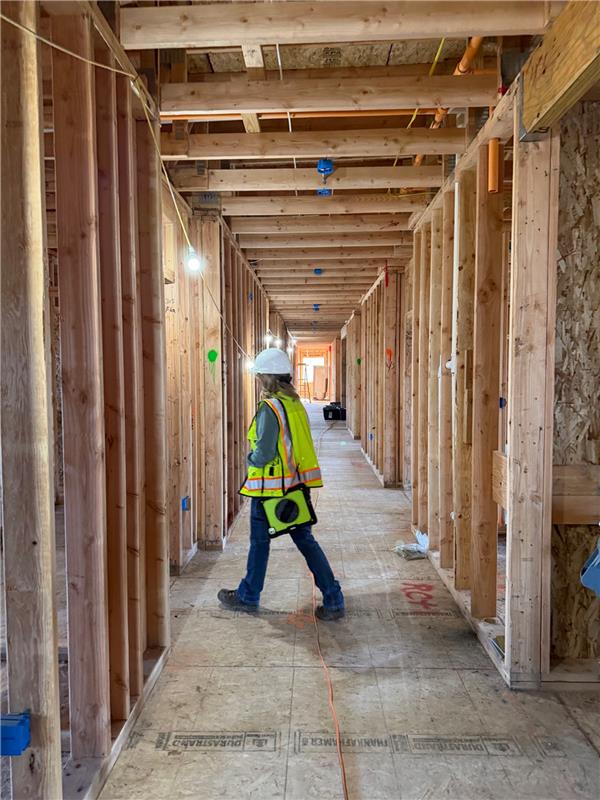
Morrison’s work includes plan review and field inspections to ensure compliance with adopted building and energy codes in both commercial and residential projects. She reviews structural systems, life-safety components, accessibility requirements and energy performance standards, then verifies those elements onsite during construction.
“The most fulfilling part of this work is seeing a project move from paper to something real,” said Morrison. “Reviewing plans is one thing, but then walking the site and watching a building take shape, especially on larger commercial projects, is incredibly rewarding.”
“At the same time, I know that when a building inspector does their job correctly, no one hears about it, and that’s the point,” continued Morrison. “If we’re doing it right, people move into a home or open a business and never have to think about structural connections, fire separation or accessibility details. I like knowing I help create a lasting structure while also protecting people who will never know my name.”
“But a big part of my job is also forward-facing, especially when I help people at the front counter or over the phone,” said Morrison. “I answer questions, walk customers through code requirements and help them understand what’s needed before they submit plans or start construction.”
Code Communication is Key
Much of Morrison’s work revolves around clear communication.
“We clearly explain requirements, work through corrections, and help projects move forward while still maintaining safety standards,” she said.
And when inspection difficulties happen, she tries to stay calm and not take events personally.
“Construction can be high pressure,” she said. “People can become frustrated when an inspection doesn’t pass, so I’ve learned to slow things down, go back to the codes and clearly explain the ‘why’ behind my decision.”
Morrison credits preparation and consistency for navigating inevitable permit rejections.
“Especially when I moved into inspections, I knew credibility wasn’t going to show up automatically,” she said. “Knowing and applying codes the same way across projects, as well as overall fairness, builds trust over time.”
“I don’t pretend to know everything,” added Morrison. “If something needs a second look, I’ll ask. Staying curious and willing to learn is a big part of handling challenges. I also lean on mentorship, consistent training and professional discussions because code is complex and always evolving.”
Building Official Mentors Pay it Forward
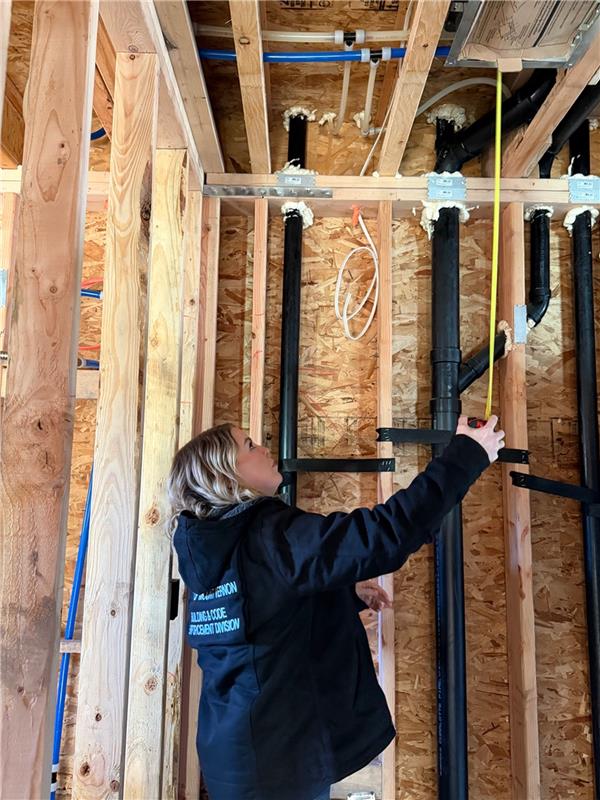
Morrison’s own mentor is City of Mount Vernon Building Official Tim Woodard.
“He encouraged me to step outside of my comfort zone and apply for the Building Inspector position when I wasn’t sure I was ready,” said Morrison. “Having someone see potential in you before you fully see it yourself makes a real difference.”
“Tim also created an environment where questions are welcomed,” continued Morrison. “Especially transitioning into inspections, I asked a lot of them. He consistently takes the time to talk through situations and code interpretations without making me feel inexperienced or incapable. That kind of leadership builds confidence and accelerates growth.”
Woodard is reciprocally proud of his mentee.
“It is rare to see someone grow with such purpose and dedication,” said Woodard. “Morgan’s journey from Utility Billing to Building Inspector is a testament to what happens when talent meets relentless curiosity. By consistently challenging the status quo, she is not only breaking the glass ceiling in a traditionally male-dominated field but is also maintaining a level of insight that truly benefits our city’s residents.”
Morrison is also paying it forward to her code coworkers. Mike Marker has accompanied Morrison on building inspections for the last two years.
“She has taught me a great deal,” said Marker. “Not only about the inspection process, but also about working effectively with homeowners and contractors. Morgan is truly a team player, and I am impressed by her consistent desire to learn and improve her skills.”
Women in Inspection Leadership Roles
Morrison has noticed other women also stepping into technical roles and not just support positions.
“I see more women pursuing certifications, asking detailed code questions and getting involved in committees and professional organizations,” she said. “It’s less unusual and a positive shift to see women in inspection and leadership roles. The more normal women in construction become, the less it feels like anyone must prove they belong.”
“Morgan doesn’t just do the job; she understands the ‘why’ behind it, which is exactly why she connects so effectively with our community,” said Woodard. “She is a true asset to our city, and I can’t wait to see the impact she continues to make as she advances in her career.”
Driving Code Enforcement Excellence
Her advice to women coming into the construction trades is to take the trainings, learn the codes and get those certifications.
“The more you understand your craft, the more confident you’ll feel walking into any room or on any jobsite,” said Morrison. “You don’t have to be louder or tougher than anyone else. Just be prepared and consistent. Ask questions, even if you think they’re basic. No one starts out knowing everything. Over time, that preparation and consistency speak for themselves.”
For resources and support on how to enter and grow within the building safety industry, visit ICC’s Safety 2.0 website here.
Advance your career and create opportunities to learn and engage with peers and building safety experts by becoming an ICC member here.
About the Author
Karin McKie is a writer, editor and culture critic for outlets such as The Daily Beast, The American Alliance of Museums, EDGE Media Network, Third Coast Review and CircusTalk. She’s also a SAG-AFTRA actor, publicist and educator, as well as a weight lifter, yogini, cyclist, dog foster and voter registrar. Visit KarinMcKie.com for clips and details.