Building Capacity for Sustainable and Resilient Buildings
Global construction is on the rise – especially in emerging economies. At the same time, increasingly frequent and severe weather-related hazard events: floods, hurricanes, wildfires, extreme heat, along with ongoing seismic events place pressure on the built environment and governments to meet resilience requirements. Buildings play an essential role in protecting lives and maintaining communities – but only if they are designed, constructed and operated well.
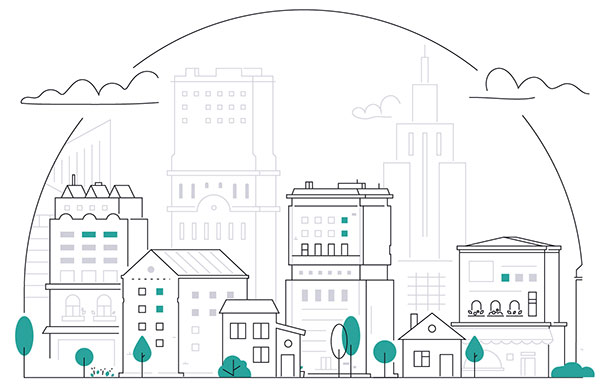
Building Safety Regulatory Capacity Building Toolkit
Building codes are an essential component of delivering resilience, but their impact comes from effective implementation. The Building Safety Regulatory Capacity Building Toolkit provides a holistic approach to building safety and resilience, offering a starting point for assessing and strengthening the key elements of the building safety regulatory ecosystem.
Role of Buildings in Mitigation and Adaptation
Building the capacity to enforce codes and standards that support resilient and sustainable buildings is essential to realizing the beneficial role that the built environment can play in reducing building-related emissions and enhancing resilience.
Impact of Buildings and Construction
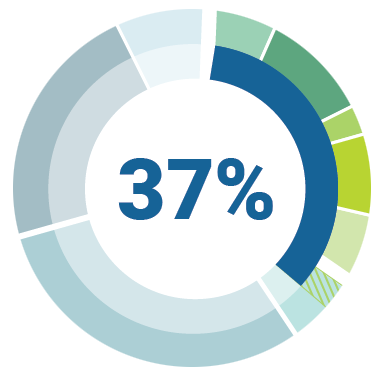
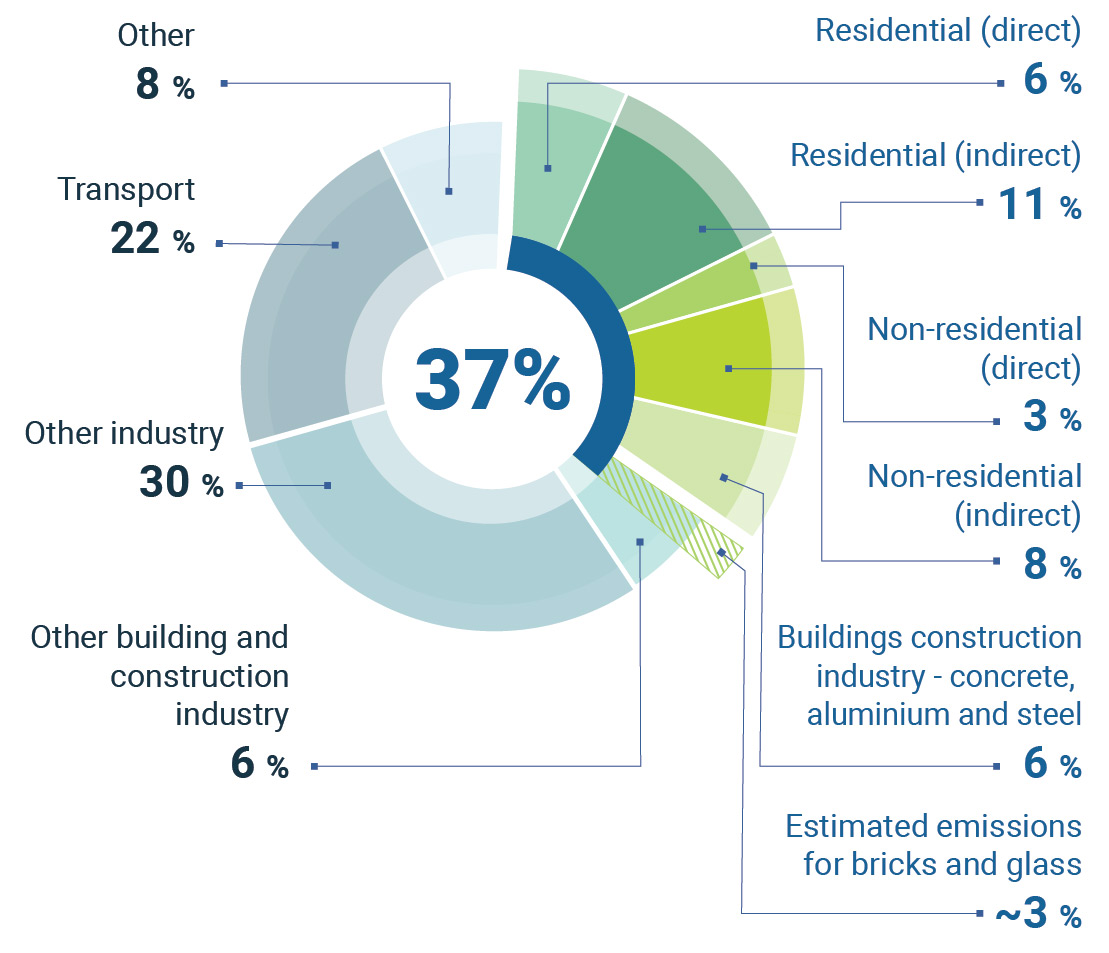
Buildings are a significant contributor to the emissions that drive climate change. Buildings and construction operational and process CO2 emissions are responsible for 37 percent of the global share of emissions. The impact at the city scale is often higher.
Buildings Delivering Climate Resilience
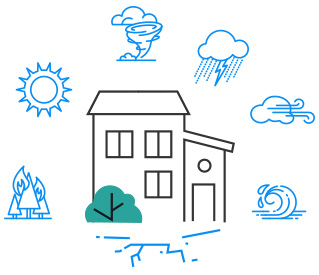
At the same time the built environment can provide resilience against the current and growing impacts of extreme weather events exacerbated by climate change.
The Role of
Building Codes
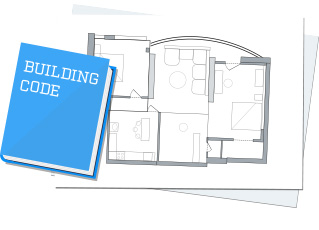
Building codes (including energy codes) provide a highly effective approach to reducing building-related emissions and enhancing resilience. Unfortunately, their adoption and effective implementation is not commensurate with their impact.
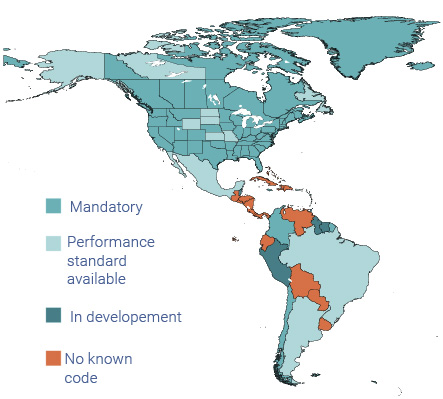
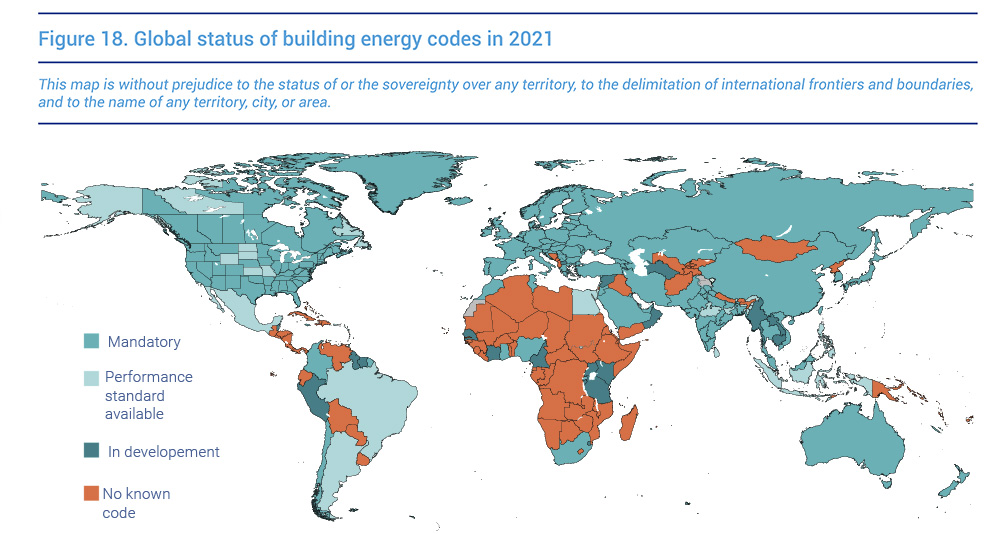
Lack of Mandatory Energy Codes
Only 26 percent of countries have adopted mandatory energy codes at the national level for all building types. Further, 82 percent of the population growth expected through 2030 will occur in countries without mandatory energy codes.
Need for Strong Building Regulation
Well-designed building regulations, particularly building codes and procurement rules, are the simplest approach to enhancing the reliability and resilience of infrastructure services. Investing in more resilient infrastructure globally, such as adopting and implementation of hazard resilient buildings codes, could also save $4.2 trillion in climate change damages.
Need for
Implementation
Just as essential as the adoption of building and energy codes that lead to achievement of sustainability and resilience is their effective implementation. Jurisdictions require a robust regulatory infrastructure accompanied by ongoing training and assessment of competence of all participants in the design, construction, operation and regulatory process.
Leading companies and organizations have made a commitment to emphasize the importance of having and using the tools needed to create a robust building regulatory ecosystem.
Leading Organization

Partner Organizations