When Disaster Strikes
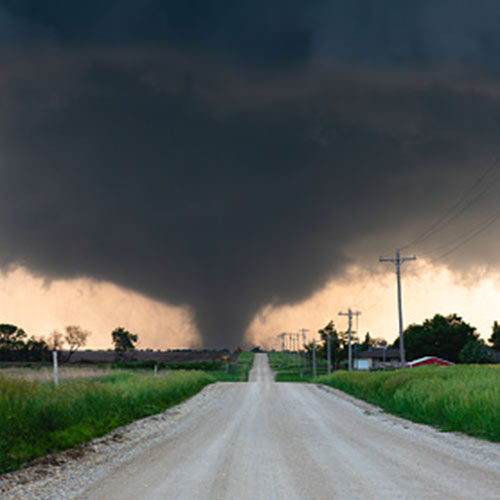
Natural disasters such as severe storms, earthquakes, tornadoes, fires, hurricanes, and floods can cause severe property damage and cripple affected communities.
If your community is struck, are you ready?
The When Disaster Strikes (WDS) Institute guides participants through disaster scenarios, reviews documentation requirements, and encourages discussion and experience sharing. Upon completion of the Institute, participants can be relied on to assist with performing post-disaster building safety evaluations.
Promotional Presentations
Presentations have been developed to help increase awareness of the public safety related roles and responsibilities code officials take on in the wake of a disaster. Roles and responsibilities that go beyond their normal day-to-day. These presentations also promote ICC’s When Disaster Strikes program’s opportunities for training and certification related to those roles and responsibilities.
0.5 HOUR 0.75 HOUR
Introduction to ICC's When Disaster Strikes Program
Communities rarely are fully prepared to respond to disaster events. This lack of preparedness results from: communities struggling to develop disaster preparedness plans on their own, including conducting initial damage assessments, conducting substantial damage estimates, determining whether structures can be re-inhabited, making substantial damage determinations, and requesting and obtaining the resources necessary to respond and recover from a disaster. The When Disaster Strikes (WDS) Institute provides fire marshals, building officials and floodplain managers (code officials) with training, guidance and access to resources to enable and empower them in the wake of disasters. Read more.
Beginning with a review of the post-disaster roles and responsibilities typically assigned to code officials in the wake of a disaster, these sessions go on to provide an overview of the various WDS training opportunities and accompanying certifications.
Goals and Objectives
The goals of this training are to increase awareness of ICC’s When Disaster Strikes (WDS) Program, its various training courses, and accompanying certification opportunities. The objectives of this training include:
- Review the roles and responsibilities typically assigned to code officials in the wake of a disaster
- Provide an overview of the various WDS Institute training courses and a discussion of what each course covers
- Discuss the various training and delivery options that exist as well as accompanying certification opportunities
- Discuss available field materials, reference materials and supporting information
Interested in setting up one of these classes? Contact us.
1.0 HOUR 1.5 HOURS
ICC's When Disaster Strikes Program
Communities rarely are fully prepared to respond to disaster events. This lack or preparedness results from: communities struggling to develop disaster preparedness plans on their own, including conducting initial damage assessments, conducting substantial damage estimates, determining whether structures can be re-inhabited, making substantial damage determinations, and requesting and obtaining the resources necessary to respond and recover from a disaster. The When Disaster Strikes (WDS) Institute provides fire marshals, building officials and floodplain managers (code officials) with training, guidance and access to resources to enable and empower them in the wake of disasters. Read more.
Beginning with a review of the post-disaster roles and responsibilities typically assigned to code officials in the wake of a disaster, these sessions then go on to provide an overview of the various WDS training opportunities with a discussion on what each covers, the various delivery options, available resources, and accompanying certification opportunities.
Goals and Objectives
The goals of this training are to increase awareness of the post-disaster roles and responsibilities typically assigned to code officials in the wake of a disaster along with ICC’s When Disaster Strikes (WDS) Program, its various training courses, accompanying certification opportunities, and reference materials.
- Review the roles and responsibilities typically assigned to code officials in the wake of a disaster
- Provide an overview of the various WDS Institute training courses and a discussion of what each course covers
- Discuss the various training and delivery options that exist as well as accompanying certification opportunities
- Discuss available field materials, reference materials and supporting information
Interested in setting up one of these classes? Contact us.
Operational-Level Training
These training courses focus on both increasing awareness and providing an operational understanding of select public safety related roles and responsibilities code officials take on in the wake of a disaster that go beyond their normal day-to-day.
1.5 HOURS
Introduction to Disaster Planning for the Code Official
Communities rarely are fully prepared to respond to disaster events. This lack of preparedness results from communities struggling to develop disaster preparedness plans on their own. In the case of code officials, an inadequate or outdated disaster response plan will significantly impact a community’s ability to recover. Namely, when Preliminary Damage Assessments (PDAs) are not conducted quickly and emergency managers are not able to obtain reliable PDA data, a community’s ability to request and obtain local, state and/or federal assistance is greatly impacted. Further, when post-disaster Building Safety Evaluations are not conducted, the community’s residents will reoccupy potentially unsafe structures. Read more.
This operational-level training session begins by reviewing the various phases in the wake of a disaster, emergency management basics, and the post-disaster roles and responsibilities typically assigned to code officials. This training then discusses disaster planning basics and items code officials should consider when developing disaster preparedness plans.
Goals and Objectives
The goals of this training are to review the roles and responsibilities of the code officials after a disaster and to provide guidance on developing a disaster plan. The objectives of this training include:
- Review the four phases of a disaster
- Discuss the role of emergency management and the responsibilities of the code official during the response and recovery phases
- Review the identification and type of resources required following a disaster
- Provide an outline of disaster planning basics
Interested in setting up one of these classes? Contact us.
1.5 HOURS
Introduction to Mutual Aid and Disaster Recovery Reform Act (DRRA) 1206
All too often after a disaster, an affected community is left on its own to struggle with response and recovery. When the building department is not engaged, emergency managers’ requests for local, state and/or federal assistance are not relayed and, therefore, often go unfulfilled. This lack of assistance can negatively impact a community’s ability to respond and recover from disasters. Read more.
This operational-level training session begins by reviewing the various phases in the wake of disasters, emergency management basics, and the post-disaster roles and responsibilities typically assigned to building departments. This training session then addresses the various forms of mutual aid and how to access it along with the formality of the EMAC process. This training then introduces and discusses the Disaster Recovery Reform Act (DRRA), Section 1206, what it covers, how to access it, along with its requirements.
Goals and Objectives
The goals of this training class are to review the various types of mutual aid and to introduce the Disaster Recovery Reform Act (DRRA), Section 1206. The objectives of this training include:
- Review the post-disaster roles and responsibilities of the building department and emergency management basics
- Introduce and discuss the various forms of mutual aid and how to access it
- Introduce and discuss the formality and importance of the EMAC system
- Introduce and discuss DRRA 1206, what it covers, how to access it, and its requirements
Interested in setting up one of these classes? Contact us.
1.5 HOURS
Introduction to Initial and Preliminary Damage Assessments
All too often after a disaster, an affected community is left on its own to struggle with coordinating, conducting and completing its Initial and Preliminary Damage Assessments, IDAs and PDAs, respectively. When IDAs and PDAs are not conducted quickly and emergency managers are not able to obtain reliable damage assessment data, a community’s ability to request and obtain local, state and/or federal assistance is greatly impacted. Failing to perform damage assessments timely and consistently will significantly impact a community’s ability to recover. Read more.
This operational-level training session begins by reviewing the various phases of a disaster, emergency management basics, and the post-disaster roles and responsibilities typically assigned to code officials. This training then discusses the importance of performing IDAs and PDAsin a timely and consistent manner, when and how to perform IDAs and PDAs, along with training and credentialing requirements.
Goals and Objectives
The goals of this training are to introduce and outline the roles of the Preliminary Damage Assessor and to introduce training and credentialing requirements. The objectives of this training include:
- Review the various phases of a disaster, including emergency management basics
- Review the post-disaster roles and responsibilities typically assigned to building departments in the wake of disasters
- Review the importance of performing PDAs in a timely and consistent manner
- Provide training on when and how to perform PDAs along with a review of PDA training and credentialing requirements
Interested in setting up one of these classes? Contact us.
1.5 HOURS
Introduction to Substantial Damage Estimates and Determinations
Substantial damage estimates, or SDEs, are based on field observations entered into an SDE tool that computes a value to compare against the structure’s appraised value. SDEs are to be performed immediately in the wake of a disaster to capture the full impact on buildings located within the special flood hazard area (SFHA). Whereas substantial damage determinations, or SDDs, are based on construction repair costs compared against the structure's market value, SDDs are generally made at the time of permit submittal and while beginning the process of making repairs. Read more.
Given that communities participating in the National Flood Insurance Program (NFIP) are required to determine whether damage, of any origin, to structures within SFHAs meets the criteria for substantial damage, repairs completed prior to the jurisdiction compiling SDEs and making SDDs could potentially violate the NFIP and count against the recovering community, resulting in significant financial impacts.
This operational-level training session begins by reviewing the various phases of a disaster, emergency management basics, along with an overview of theNational Flood Insurance Program (NFIP) and the Community Rating System (CRS). This training then reviews the process and importance of performing SEDs and SDDs in a timely and consistent mannerand concludes by providing a global review of the entire substantial damage process.
Goals and Objectives
The goals of this training are to introduce and outline the process and importance of performing SEDs and SDDs in a timely and consistent manner. The objectives of this training include:
- Review the various phases of disasters along with emergency management basics
- Review the National Flood Insurance Program (NFIP) and the Community Rating System (CRS)
- Provide training on the process and importance of performing SEDs in a timely and consistent manner
- Provide training on the process and importance of performing SDDs in a timely and consistent manner
Interested in setting up one of these classes? Contact us.
3.0 HOURS
WDS – Evaluator Refresher
This technical-level training session reviews the role of the Post-Disaster Building Safety Evaluator and performing Post-disaster Building Safety Evaluations. This training then provides refresher training on awareness of operational environments and hazards. This training concludes by providing review and practice examples on performing Post-disaster Building Safety Evaluations. This level of training and the information covered will enable the renewal of a Disaster CLA. Read more.
Goals and Objectives
The goals of this training are to review the roles of the Post-Disaster Building Safety Evaluator, to be aware of operational environments and hazards, and to perform Post-Disaster Building Safety Evaluations.
The objectives of this training include:
- Review the role of the Post-Disaster Building Safety Evaluator
- Review how to perform building safety evaluations
- Review awareness of operational environments and hazards
- Provide practice examples performing Post-disaster Building Safety Evaluations
View available classes here.
3.0 HOURS
Initial and Preliminary Damage Assessments
This technical-level training session begins by reviewing the various phases in the wake of a disaster, emergency management basics, and the post-disaster roles and responsibilities typically assigned to code officials. This training then discusses the importance of performing Initial and Preliminary Damage Assessments, IDAs and PDAs respectively, in a timely and consistent manner. This training session discusses when and how to perform damage assessments along with training and credentialing requirements, concluding with information related to operational environments and disaster-related hazards.
The level of training and the information covered will enable code officials to direct and participate in performing IDAs and PDAs. Credential of Learning Achievement (CLA) coming soon. Read more.
Goals and Objectives
The goals of this training are to introduce and outline the roles of the Preliminary Damage Assessor and to introduce training and credentialing requirements.
The objectives of this training include:
- Review the various phases in the wake of a disaster, emergency management basics, and the post-disaster roles and responsibilities typically assigned to building departments
- Review the importance of performing Preliminary Damage Assessments (PDAs) in a timely and consistent manner
- Provide training on when and how to perform PDAs along with a review of PDA training and credentialing requirements
- Increase awareness of operational environments and disaster-related hazards
It is recommended that all participants download the following:
View available classes here.
3.0 HOURS
Post-Disaster Substantial Damage Estimates and Determinations
Communities participating in the National Flood Insurance Program (NFIP) are required to determine whether damage, of any origin, to structures in Special Flood Hazard Areas meets the criteria for substantial damage. Repairs completed prior to the jurisdiction compiling SDEs and making SDDs could violate the NFIP and count against the recovering community, resulting in significant financial impacts.
This technical-level training session begins by reviewing the various phases of a disaster, emergency management basics, along with an overview of the NFIP and the Community Rating System (CRS). This training then reviews the process and importance of performing SEDs and SDDs in a timely and consistent manner, concluding by providing a global review of the entire substantial damage process.
The level of training and the information covered will enable code officials to participate in creating substantial damage estimates, making substantial damage determinations. Credential of Learning Achievement (CLA) coming soon. Read more.
Goals and Objectives
The goals of this training are to introduce and outline the process and importance of performing SEDs and SDDs in a timely and consistent manner.
The objectives of this training include:
- Review the various phases of disasters along with emergency management basics
- Review the National Flood Insurance Program (NFIP) and the Community Rating System (CRS)
- Provide training on the process and importance of performing SEDs in a timely and consistent manner
- Provide training on the process and importance of performing SDDs in a timely and consistent manner
- Provide a global review of the entire Substantial Damage process
View available classes here.
3.0 HOURS
Mutual Aid and Disaster Recovery Reform Act (DRRA) 1206
This technical-level training session begins by reviewing the various phases of a disaster, emergency management basics, and the post-disaster roles and responsibilities typically assigned to building departments. This training session then introduces and discusses the various forms of mutual aid and how to access it along with the formality of the EMAC process. This training then introduces and discusses DRRA 1206, what it covers, how to access it, along with its requirements.
The level of training and the information covered will enable code officials to successfully navigate mutual aid, to secure needed resources. Credential of Learning Achievement (CLA) coming soon. Read more.
Goals and Objectives
The goals of this training class are to review the various types of mutual aid and to introduce the Disaster Recovery Reform Act (DRRA), Section 1206.
The objectives of this training include:
- Review the post-disaster roles and responsibilities of the building department and emergency management basics
- Introduce and discuss the various forms of mutual aid and how to access it
- Introduce and discuss the formality and importance of the EMAC System
- Introduce and discuss DRRA 1206, what it covers, how to access it, and its requirements
It is recommended that all participants download the following:
View available classes here.
In-Person
Virtual
3.0 HOURS
Disaster Planning for Code Officials
This technical-level training session begins by reviewing the various phases of a disaster, emergency management basics, and the post-disaster roles and responsibilities typically assigned to code officials. This training then discusses disaster planning in detail and items code officials should consider when developing disaster preparedness plans.
The level of training and the information covered will enable code officials to participate in the development of disaster plans. Credential of Learning Achievement (CLA) coming soon. Read more.
Goals and Objectives
The goals of this training are to review the roles and responsibilities of the code officials after a disaster and to provide guidance on developing a disaster plan.
The objectives of this training include:
- Review the four phases of a disaster
- Discuss the role of emergency management and the responsibilities of the code official during the response and recovery phases
- Review the identification and typing of resources required following a disaster
- Provide an outline of disaster planning basic
Individuals who register for the Disaster Planning for the Building Department training will receive this publication:
- WDS Field Manual 1419S
Additionally, it is recommended that all participants download the following:
View available classes here.
In-Person
Virtual
Institutes
The WDS Institutes represent a compilation of WDS technical level training courses assembled to enable participants to seek multiple nationally recognized certifications.
2-Day When Disaster Strikes
Institute
- When Disaster Strikes – Evaluator Training (6.0 hour)
- When Disaster Strikes – Coordinator Training (3.0 hour)
- Initial and Preliminary Damage Assessments (3.0 hour)
Upcoming Institutes
May 19–20
August 18–19
November 17–18
Training Delivery Options
To Schedule Training
All WDS Institute training is available to ICC Chapters and members as well as non-member organizations and individuals for in-person or virtual delivery. To schedule and/or sponsor training, please contact
Lizette Chagolla at lchagolla@iccsafe.org or
1-888-ICC-SAFE (422-7233) x4525
Chapter Licensing Agreements
ICC has a program whereby it can grant a non-exclusive, non-transferable license to ICC Chapters so that they can deliver ICC’s “When Disaster Strikes - Evaluator” training during live training events as often as they choose. For more information on ICC’s Chapter License Agreement, please contact
Karla Higgs at khiggs@iccsafe.org or
1-888-ICC-SAFE (422-7233) x5268
Preferred Providers
Please note that preferred providers are not authorized to deliver any WDS training.
Credential Program
Disaster Response Credential of Learning Achievement
Individuals who have completed the WDS Evaluator training are eligible to take the Disaster Response Credential of Learning Achievement (CLA). The Code Council's CLAs validate participants' willingness to go the extra mile in training and career advancement. The Disaster Response CLA represents proof of completing a FEMA-recognized Post-Disaster Building Safety Evaluator training program and passing an assessment.
In addition to completing the Post-Disaster Building Safety Evaluator training, to be considered NIMS compliant, all required licenses and/or certifications must be in active status at the time of deployment. Additional prerequisites include the following certifications: IC100, IC200, IC700 and IC800.
The Disaster Response CLA requires use of the WDS Field Guide, ATC 20, and ATC 45. Additionally, it is recommended that all participants download a copy of FEMA's P-2055, available at no cost here.