
Building Codes: Highly Cost-Effective Strategies to Support Safe, Sustainable and Resilient Communities
Building codes represent a highly cost-effective strategy, backed by research, to help protect communities from the risks posed by natural and man-made events. The studies and resources listed below highlight the cost-saving benefits of building codes and how to apply them to your jurisdiction.
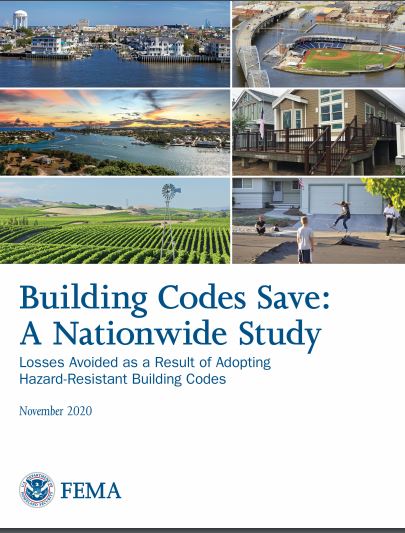
Building Codes Save: A Nationwide Study
The Federal Emergency Management Administration's (FEMA) Building Codes Save: A Nationwide Study found:
- The International Residential Code® (IRC) and International Building Code® (IBC) provided more than $27 billion in cumulative mitigation benefits against flood, hurricane wind, and earthquake hazards from 2000 to 2016. These benefits could have been doubled if all post-2000 construction adhered to the International Codes® (I-Codes).
- If construction continues at the pace the study observed and if the proportion of that construction adhering to the I-Codes is consistent with the trend the study identifies, the I-Codes could help communities avoid $132 – $171 billion in cumulative losses through 2040.
- If all new buildings across the U.S. were built to modern editions of the l-Codes, the country would save more than $600 billion by 2060.
As FEMA's materials make clear: "Adopting building codes is the single most effective thing we can do! One change in building codes can save lives and protect property for generations to come."
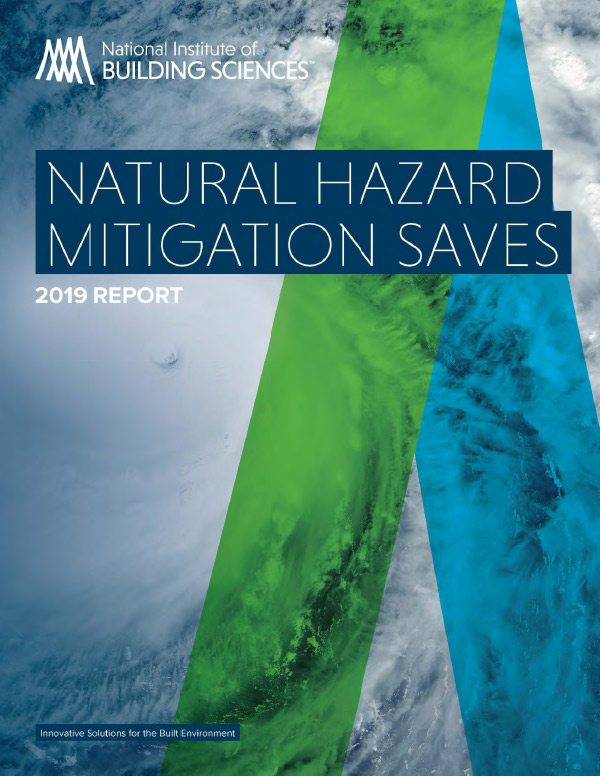
Natural Hazard Mitigation Saves
A 2019 report, Natural Hazard Mitigation Saves, by the congressionally-established National Institute of Building Sciences (NIBS) found:
- Adopting and enforcing the 2018 IBC and IRC provides communities with an $11 benefit for every $1 invested.
- Retrofitting structures to current codes’ flood mitigation requirements can provide $6 in mitigation benefits for every $1 invested.
- Retrofitting structures to ICC’s International Wildland-Urban Interface Code® (IWUIC) could provide $2 to as much as $8 in mitigation benefits for each $1 invested.
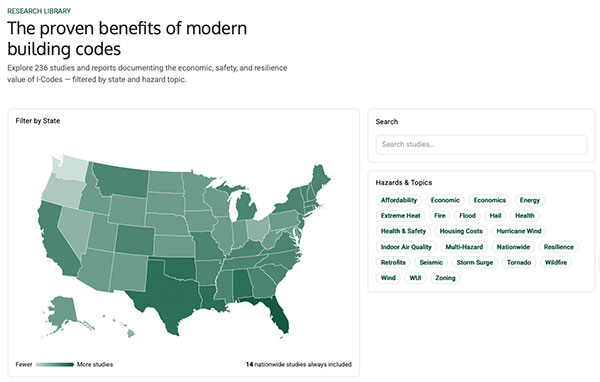
Building Codes Research Finder
Explore studies and reports documenting the economic, safety, and resilience value of codes — filtered by state and hazard topic
Additional Studies
Additional studies confirm that the adoption and implementation of current model building codes is one of the nation’s best defenses against natural hazards. For example:
Hazard Resilience
Benefits
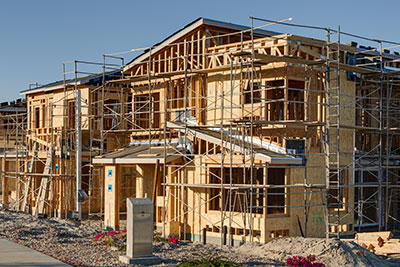
An initial release from an ongoing FEMA analysis found that Florida and California's consistent adoption of the I‑Codes (and their hazard mitigation provisions) since 2000 will provide long-term average future savings of $1 billion a year.
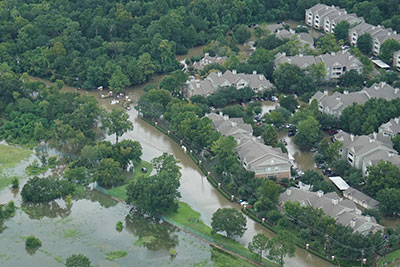
The 2019 FEMA Mitigation Assessment Team (MAT) report following Hurricane Harvey found that National Flood Insurance Program (NFIP) regulations reduced average claim payments by almost half, and following modern code requirements reduced the average claim payments by an additional 90%.
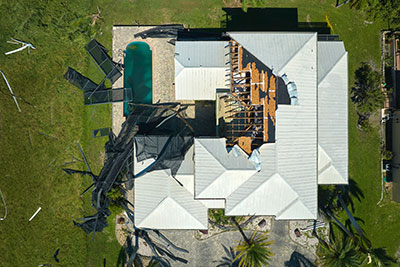
In the ten years following Florida’s adoption of a statewide building code, the code’s adoption and application reduced windstorm actual losses by as much as 72 percent.
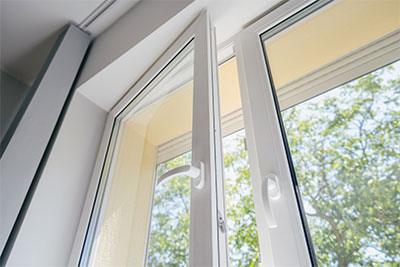
The Department of Energy’s National Laboratories study, Enhancing Resilience in Buildings Through Energy Efficiency, reveals that increasing the efficiency of the envelope in existing single-family buildings to meet code requirements of the 2021 International Energy Conservation Code® (IECC) can reduce deaths by 80% during extreme heat and 30% during extreme cold events. For new buildings, benefit-cost ratio (BCR) values for meeting 2021 IECC envelope requirements range from four to seven for single-family buildings, making a strong financial case for adoption.
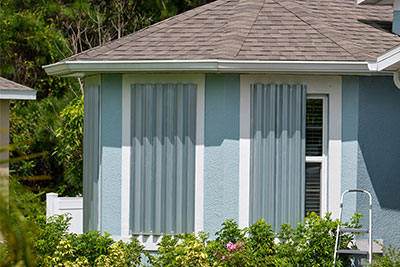
A study published by the Southern Economic Association found buyers paid an almost six percent premium for homes with hurricane shutters on Galveston Island, TX.
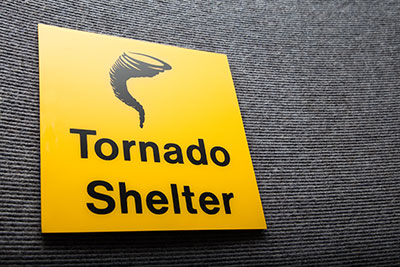
A study published in Construction Management and Economics found resale premiums near four percent for homes with tornado shelters.
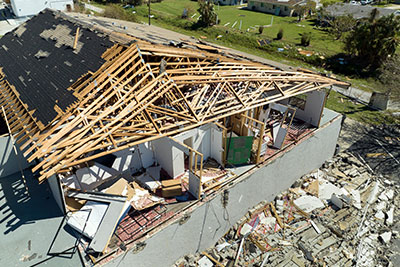
Research published in Land Economics found that the Florida Building Code reduced windstorm losses by up to 72% and passes the benefit cost analysis by a margin of $6 in full reduced loss to $1 of added cost.
Benefits of Enforcement Investments
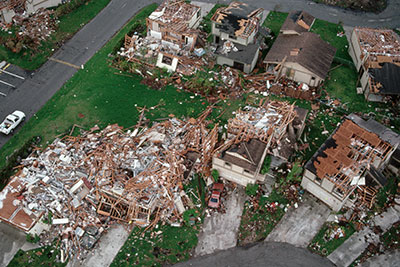
FEMA quantified the cost of Miami-Dade County, Florida’s inadequate code enforcement as a quarter of the $16 billion in insured losses from Hurricane Andrew in 1992. Researchers found similar results about 15 years later: that implementing building codes at the local level by ensuring proper staffing, training, and certification provides an additional loss reduction value on the order of 15 to 25 percent.

Effective and well‐enforced building codes in Missouri reduced hail damage to homes by 10 to 20 percent on average.
Impacts on
Housing Prices
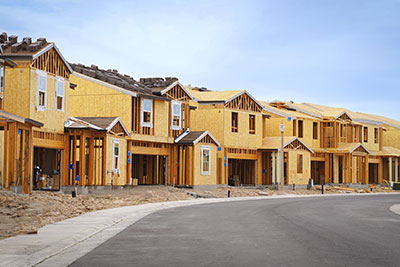
A Pacific Gas and Electric Company (PG&E) study concluded that construction cost growth is only marginally associated with home value growth and that there is no evidence an increase in construction cost will cause higher home prices in CA.
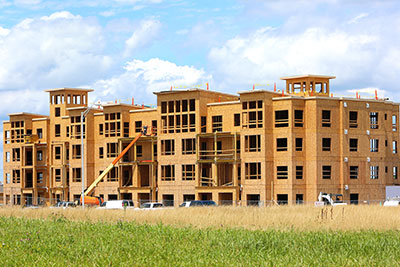
Economic research found that enacting enhanced codes in tornado country had no effect on the price per square foot or home sales.
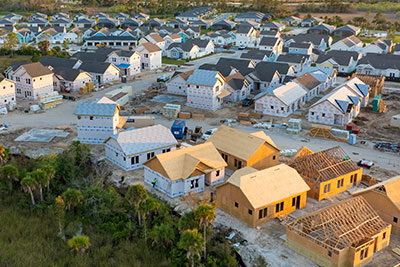
A University of Alabama study analyzed national home sales from 2011 to 2022, finding no statistically significant impact of updated codes on housing price. The results do not support the claim that modern building code adoption systematically increases home prices or constrains new housing supply. Given the established resilience and safety benefits of modern codes, delaying code adoption is unlikely to improve affordability and may increase vulnerability to future hazards.
Learn More on How your Community Can Capture the Benefits of Codes
Is your Community Capturing the Value of the Latest Codes?
- The Federal Alliance for Safe Homes’ (FLASH) InspectToProtect.org
- FEMA’s Building Codes Adoption Tracker
- Building Code Effectiveness Grading Schedule (BCEGS) National Building Code Assessment Report
Who Do I Call to Learn More or Get Help with Code Adoption Efforts?
The Who To Call Map contains links by state to ICC offices and staff members across the country who can assist with code adoption efforts and answer questions. For information on international adoptions, please click here.