Safe Homes, Strong Communities
Week 1: May 1–10
Foundation Sponsor 
A safe community starts with safe homes. During Week 1 of Building Safety Month, we’re shining a spotlight on the everyday hazards that often go unnoticed, and the simple steps every homeowner and occupant can take to prevent incidents before they happen
Join the Building Safety Month conversation all month long – tag the International Code Council on social media, and use #BuildingSafetyMonth2026 and #BuildingSafety365 to help spread the word!
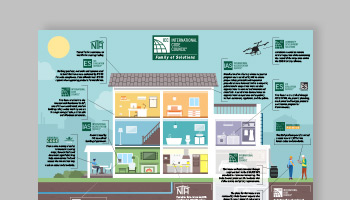
Spotting Common Household Hazards
Many home dangers are preventable with awareness and routine care. Identifying and understanding these risks is the first step toward reducing them.
Here we've listed a few of the most common potential risks, including:
- Fire hazards such as overloaded outlets, unattended cooking and aging appliances
- Electrical issues like damaged cords, outdated wiring or improper use of extension cords
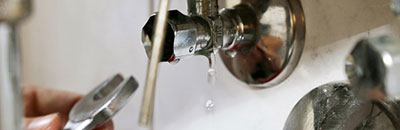
- Water safety concerns including slippery surfaces, leaky pipes, unsecured pools and malfunctioning water heaters
- Fall hazards including poor lighting in hallways and stairwells, broken or missing handrails or uneven flooring
- Blocked emergency exits
The Power of Regular Maintenance
Simple, routine efforts can make a big difference in household safety, and a well‑maintained home protects everyone who lives in it. Regular inspections and upkeep help prevent costly damage and keep your household safe. Consider:
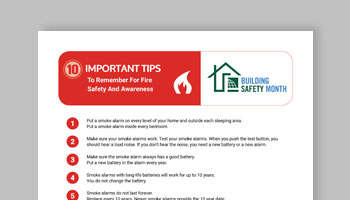
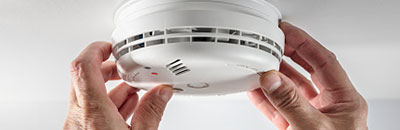
- Testing smoke and carbon monoxide alarms and replacing batteries once a year
- Checking electrical panels and outlets for heat, buzzing or discoloration
- Inspecting plumbing for leaks
- Cleaning dryer vents and replacing HVAC system filters per your appliance’s manufacturer recommendations
- Cleaning gutters and removing overgrown plants and debris from the outside of your home
Know Your Safety Features
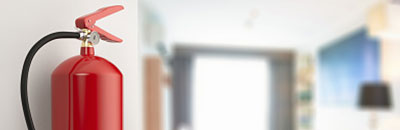
Modern homes include built‑in protections, but only if they’re working properly. Whether you own or rent, being familiar with these features helps prevent emergencies or empowers you to act quickly in an emergency.
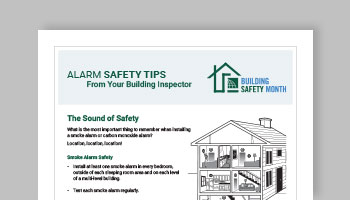
- Smoke alarm and carbon monoxide alarm coverage in compliance with local building codes
- Clearly marked and accessible emergency exits
- Fire extinguishers placed in key locations, including hallways, near exit doors, in kitchens, garages, etc.
- Ground‑fault circuit interrupters (GFCIs) in kitchens, bathrooms, garages and outdoor areas
- Safety gates for stairs and self-latching self-closing pool gates
Building Safely Starts with the Right Permits
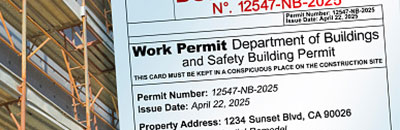
Renovations and additions can improve your home, but they must be done properly. Following building codes isn’t just a requirement; it’s a commitment to community safety. Proper permits and code‑compliant construction promote:
- Structural integrity, so homes are built to better withstand wear, weather and time
- Safe electrical and mechanical systems, which often result in lower utility bills, better indoor air quality, etc.
- Property value and marketability, reducing insurance risks and providing confidence to current and future occupants
Resources