

IgCC
Overview of the IgCC
Code officials recognize the need for a modern, up-to-date code governing the impact of buildings and structures on the environment. The International Green Construction Code (IgCC) is designed to meet this need through model code regulations that contain clear and specific requirements with provisions that promote safe and sustainable construction in an integrated fashion with the ICC Family of Codes.
This comprehensive green code establishes minimum regulations for building systems and site considerations using prescriptive and performance-related provisions. It is intended to be an overlay code to be used with, and is fully compatible with, the Family of International Codes.
Benefits of the IgCC:
 The International Green Construction Code provides a whole systems approach to the design, construction and operation of buildings.
- The International Green Construction Code includes measures that result in better indoor environments, lower impact on natural resources, better neighborhood connections, and improved walkability.
- The International Green Construction Code is coordinated with other model codes such as IECC®, 90.1, and many other referenced standards.
- The International Green Construction Code is a public/private collaboration that provides a green model code to government jurisdictions. As a result, government does not have to take on the high cost of developing its own code and benefits from the code uniformity among adopting jurisdictions.
- USGBC is developing synergies between specific IgCC measures and LEED® credits, enabling a streamlined approach to leadership that is built on a consistent green code.
 The International Green Construction Code provides a whole systems approach to the design, construction and operation of buildings.
Why IgCC?
- Green building strategies reinforce societal health/life/safety benefits that building codes offer, providing resilience to natural disasters, climate change, resource consumption/management, and service interruptions due to unforeseen events.
- Industry-leading codes, standards, and the LEED® rating system have enabled the construction sector to introduce fundamental strategies to protect occupant comfort and health, save money, and preserve resources during the design, construction, and operation of buildings.
- The implementation of green building design, construction, and operational techniques has increased. Many homeowners, businesses, and building professionals have voluntarily sought to incorporate green building strategies into their projects, and a number of local and national systems have been developed to guide green building practices, including LEED®.
- Buildings account for over 12% of water use, 40% of CO2 emissions, 65% of all waste outputs, and more than 70% of electricity consumption. Our organizations believe green buildings offer solutions to many of these problems by conserving resources, regenerating sites, and providing economic and societal benefits.
- The benefits of green building design, construction, and operation should be enjoyed by residents, workers, and visitors of all cities.
On IgCC’s Strategic Development Relationships with Key Industry Leaders – ICC, ASHRAE, USGBC, AIA and IES:
- Our organizations are dedicated to continuously improving the built environment by providing safe, sustainable and equitable buildings for all.
- Green codes help fulfill the mission of our organizations: To provide for the health, life and safety of the built environment; to increase economic and resource efficiency of buildings; to reduce effects of climate change through more resilient buildings, communities, and cities; and to provide for the best buildings of today without compromising the needs of future generations.
- Our goal is to transform the market by leveraging the strengths of ICC and ASHRAE to develop the highest standard of green building codes that provide direct connections to the U.S. Green Building Council’s (USGBC) Leadership in Energy and Environmental Design (LEED®) rating system.
- The partnership between AIA, ASHRAE, ICC, IES and USGBC on the 2018 International Green Construction Code (IgCC®) represents the perfect formula for green building codes: The most trusted code development body; the most technically sophisticated HVAC&R standards development organization; the most influential green building rating system; and the design community’s top-tier professional organizations.
- Our partnership represents model code developers, regulatory adoption agencies, building officials, architects, engineers, the design community, construction practitioners, sustainability professionals, and industry associations.
Code Development
Available Now: 2018 IgCC
- Purchase the 2018 IgCC, released in October 2018.
Upcoming Version: 2021 IgCC Development
The International Green Construction Code provisions provide many benefits, among which is the model code development process that offers an international forum for building professionals to discuss performance and prescriptive code requirements. This forum provides an excellent arena to debate proposed revisions. This model code also encourages international consistency in the application of provisions.
- Get the current code development schedule.
- Learn more about ICC's web-based code development process, cdpACCESS.
Current Code Development Cycle Archive 2021-2022
News
2022 Group B Proposed Changes
The 2022 Group B proposed changes are posted. Click here for the Group B website page for Group B cycle document postings.
ICC Code Correlation Committee (CCC) WebEx Meeting
The ICC Code Correlation Committee (CCC) has scheduled a WebEx meeting for February 14, 2022, 10am-Noon CT and 1-3pm CT (if needed). The purpose for this telephone conference is for the CCC to consider editorial and scoping issues related to the proposals submitted in the 2022 Group B cycle, in accordance with Section 4, Items 2 & 3 of Council Policy CP#44. Please see the attached meeting notice.
Preliminary 2021 Group A Online Governmental Consensus Vote Results Available.
The 2021 Group A Online Governmental Consensus Vote was conducted October 15th through November 1st and the preliminary results are available. These results contain only the preliminary action on the Group A changes. These results are not final as they are subject to certification by the Validation Committee and confirmation by the ICC Board in accordance with Section 10.1 of CP 28 Code Development. The 2021 Group A Final Action results, including vote tallies from both the Public Comment Hearing and OGCV, will be posted following certification in accordance with Section 10.4 of CP 28.
Cost Impact for 2022 Group B Code Changes.
In support of the ICC Code Development Process, the Industry Advisory Committee (IAC) recommended the development of a Cost Impact Guide which provides information regarding the requirements concerning the cost impact statements that are required as part of every code change proposal. The IAC completed the guide which has been endorsed by the Board Committee on the Long Term Code Development Process and approved by the Code Council Board of Directors. This guide was developed with input from Industry Advisory Committee members, from code officials, and from ICC staff. The guide is intended to be a useful and informative resource that will help in understanding the purpose and objective of the cost impact requirements in the code submission process.
2022 Group B Update
The 2022 Group B codes were opened for proposed changes on October 19. To submit proposals for Group B codes, go to https://www.cdpaccess.com/. The deadline for Group B proposal submittals is 11:59 pm PT on January 10, 2022. Group B codes include Admin, IBC-S, IEBC, IgCC (Ch. 1) and IRC – B. The 2022 Committee Action Hearing will be held in person in Rochester, NY, at the Rochester Riverside Convention Center from March 27 through April 6, 2022, as originally scheduled. The hearings will be held in a single track with the schedule of codes to be determined. An updated 2021/2022 ICC Code Development Schedule dated 11/8/21 has been posted.
2021 Group A Online Governmental Consensus Vote Open October 15th-November 1st
As indicated in the 2021 Group A Public Comment Agenda on page v and the recently posted Public Comment Hearing results, the Code Council Board of Directors, at the recommendation of the Long Term Code Development Process (LTCDP) Committee, added Section 8.2 to CP 28 which contains statements for voters to acknowledge prior to casting their votes in the OGCV. Please go to ACKNOWLEDGEMENT to view and sign the acknowledgement prior to casting your votes in the OGCV at https://www.cdpaccess.com.
2021 Cycle eligible voters. Click here for a state-by-state breakdown of the number of eligible voters for the 2021 Cycle.
2021 Group A Public Comment Hearing Results Now Available
The 2021 Group A Public Comment Hearing Results from the Public Comment Hearings held in Pittsburgh, PA are now available. Click here for the results. The Online Governmental Consensus Vote (OGCV) is scheduled to open October 15, 2021 and close November 1, 2021.
2021 Group A Public Comment Agenda
The 2021 Group A public comments are posted.
2021 Public Comment Hearing Schedule
The Public Comment Hearings (PCH) will start on Tuesday, September 21 at 8:00 am. 2021 PCH Schedule anticipates that the hearings will be completed no later than 7:00 pm on Sunday, September 26.
2021 IECC Update
Click here for process information for the development of the 2024 International Energy Conservation Code (IECC)
IECC and Chapter 11 of the IRC Now Open for Proposed Code Changes
The International Energy Conservation Code (IECC) and Chapter 11 of the International Residential Code (IRC) are now open for proposed code change submittals for the development of the 2024 codes through an energy only version of cdpaccess. Submittals will be open until 11:59pm Pacific Time on October 12th. Click here to access energy.cdpaccess.org.
2021 Group A Public Comment Submittal Now Open
The public comment period for the 2021 Group A International Codes is open through cdpACCESS.com. The public comment period closes at 11:59pm Pacific Time on July 2nd.
2021 Group A Report of Committee Action Now Available
The 2021 Group A Report of Committee Action from the virtual meeting in Country Club Hills, IL is now available. Click here for the results.
2021 Group A CAH Videos Now Available
The 2021 Group A CAH videos from the virtual meeting in Country Club Hills, IL are now available.
2021 Group A CAH Results Now Available
The 2021 Group A Committee Action Hearing results from the virtual meeting in Country Club Hills, IL are now available. Click here for the results.
2021 Group A Proposed Changes
The 2021 Group A proposed changes are posted. Click here for the Group A website page for Group A cycle document postings.
Consolidated Monograph Updates
The Consolidated Monograph Updates to the 2021 Group A code changes, including the 4/2/21 updates, is now available. Click here for the Updates.
2021 Group A CAH Hearing Schedule
Virtual 2021 Committee Action Hearings
UPDATED 2021–2022 ICC Code Development Cycle schedule
The 2021/2022 Code Development Schedule updated November 8, 2021
2021/2022 ICC Code Committee Responsibility Matrix available
ICC Reference Standards Guide
The ICC Reference Standards Guide developed by the ICC Industry Advisory Committee (IAC) is now available.
2021 / 2022 Code Development Cycle
ICC Committee Activities
Throughout the current cycle, ICC committees have been put in place to study specific technical issues and participate in the ICC Code Development Process. Below is a list of current committees and a link to their respective web pages:
For a link to all committees and councils, click here.
| 2021 / 2022 Code Development | Information |
|---|---|
| 2021 / 2022 Code Development Schedule | Posted: March 17, 2020 Updated: May 24, 2021 |
| Call for Committees | Posted: March 17, 2020 Due: June 15, 2020 |
| Code Committee Responsibility Matrix | Posted: October 13, 2020 |
| 2021 Cycle - Group A | Information |
|---|---|
| Group A Codes | Committee Rosters |
| IBC- E, IBC - FS, IBC -G, IFC, IFGC, IMC, IPC, IPMC,IPSDC, IRC – M, IRC- P, ISPSC, IWUIC, IZC | |
| DEADLINE FOR cdpACCESS ONLINE RECEIPT OF CODE CHANGE PROPOSALS | Deadline: January 11, 2021 |
| DEADLINE FOR RECEIPT OF NEW STANDARDS | Deadline: February 15, 2021 |
| COMMITTEE ACTION HEARING (CAH) SCHEDULE | |
| WEB POSTING OF “PROPOSED CHANGES TO THE I-CODES” | Posted: March 1, 2021 |
| PROPOSED NEW STANDARDS ANALYSES | Posted: March 18, 2021 |
| ONLINE FLOOR MODIFICATION INSTRUCTIONS | |
| TENTATIVE HEARING ORDERS | |
| COMMITTEE ACTION HEARING (CAH) | Meetings held virtually: April 11-21,2021 April 25-May5, 2021 |
| WEBCAST | Live April 11-21, April 25-May 5, 2021 |
| UPATED HEARING ORDERS | Updated during the CAH |
| UNOFFICIAL CAH RESULTS | Updated during the CAH |
| COMMITTEE ACTION HEARING RESULTS | Posted: May 10, 2021 |
| UPDATES TO THE COMMITTEE ACTION HEARING RESULTS | Posted: June 7, 2021 |
| CAH HEARING VIDEOS | |
| WEB POSTING OF “REPORT OF THE COMMITTEE ACTION HEARING” | Posted: May 24, 2021 |
| UPDATES TO THE REPORT OF THE COMMITTEE ACTION HEARING | Updated: June 17, 2021 |
| DEADLINE FOR cdpACCESS ONLINE RECEIPT OF PUBLIC COMMENTS | July 2, 2021 |
| PUBLIC COMMENT HEARING (PCH) SCHEDULE | Uploaded: August 2, 2021 |
| WEB POSTING OF “PUBLIC COMMENT AGENDA” | Posted: August 13, 2021 |
| VOTER VALIDATION | |
| PUBLIC COMMENT HEARING (PCH) ANNUAL CONFERENCE DATES NOTED BY AC | September 21-28, 2021 David L. Lawrence Convention Center, Pittsburgh, PAAC: September 19-22, 2021 |
| WEBCAST | Active September 21-28, 2021 |
| UPDATED HEARING ORDERS | Updated during the PCH |
| UNOFFICIAL PCH RESULTS | Updated during the PCH |
| PUBLIC COMMENT HEARING RESULTS | Posted: October 6, 2021 |
| ONLINE GOVERNMENTAL CONSENUS VOTE (OGCV) | October 15 - November 1, 2021 |
| UNOFFICAL OGCV RESULTS | Approx. 2 weeks after conclusion of OGCV Posted |
| WEB POSTING OF FINAL ACTION GROUP A RESULTS, INCLUDING OGCV VOTING RESULTS |
Following Validation Committee certification of OGCV and ICC Board confirmation. |
| 2022 Cycle - Group B | Information |
|---|---|
| Group B Codes | Committee Rosters |
| Admin, IBC-S, IEBC, IRC – B | |
| DEADLINE FOR cdpACCESS ONLINE RECEIPT OF CODE CHANGE PROPOSALS | January 10, 2022 |
| DEADLINE FOR RECEIPT OF NEW STANDARDS | Revised: December 13, 2021 |
| COMMITTEE ACTION HEARING (CAH) SCHEDULE | Posted: February 14, 2022 |
| WEB POSTING OF “PROPOSED CHANGES TO THE I-CODES” | Posted: February 24, 2022 |
| PROPOSED NEW STANDARDS ANALYSES | Posted: March 14, 2022 |
| ONLINE FLOOR MODIFICATION INSTRUCTIONS/FAQ’S | |
| TENTATIVE HEARING ORDERS | |
| COMMITTEE ACTION HEARING (CAH) | March 27 - April 6, 2022 Rochester Riverside Convention Center; Rochester, NY |
| WEBCAST | Active: March 27 - April 6 |
| UPATED HEARING ORDERS | Updated during the CAH |
| UNOFFICIAL CAH RESULTS | Updated during the CAH |
| COMMITTEE ACTION HEARING RESULTS | Posted: April 14, 2022 |
| WEB POSTING OF “REPORT OF THE COMMITTEE ACTION HEARING” | May 11, 2022 |
| UPDATES TO THE REPORT OF THE COMMITTEE ACTION HEARING | August 22, 2022 |
| DEADLINE FOR cdpACCESS ONLINE RECEIPT OF PUBLIC COMMENTS | June 20, 2022 |
| PUBLIC COMMENT HEARING (PCH) SCHEDULE | Posted: July 21, 2022 |
| WEB POSTING OF “PUBLIC COMMENT AGENDA” | Posted: August 3, 2022 |
| PUBLIC COMMENT HEARING (PCH) ANNUAL CONFERENCE DATES NOTED BY AC | September 14-21, 2022, Kentucky International Convention Center, Louisvile, KY
AC: September 11-14, 2022 |
| WEBCAST | Active: September 14-21, 2022 |
| UPDATED HEARING ORDERS | Updated during the PCH |
| UNOFFICIAL PCH RESULTS | Updated during the PCH |
| PUBLIC COMMENT HEARING RESULTS | Posted: September 28, 2022 |
| ONLINE GOVERNMENTAL CONSENUS VOTE (OGCV) | October 17 - November 1, 2022 |
| UNOFFICIAL OGCV RESULTS | Posted: November 10, 2022 |
| WEB POSTING OF FINAL ACTION GROUP B RESULTS, INCLUDING OGCV VOTING RESULTS |
Following Validation Committee certification of OGCV and ICC Board confirmation. |
2024 / 2025 / 2026 Code Development: Group A (2024)
Find the latest news and documents below
March 2026
2026 Public Comment Hearing (PCH) Agenda (Monograph) and Discussion Guide with Updates to the PCH
The detailed Agenda for the PCH (Monograph) and Discussion Guide are now available. Please refer to the "Hearing Resource" tab on the Code Development Committees (CDC) page for these documents and other notable resource as they become available.
January 2025
2024 Group A Public Comment Submittal Now Open
As of January 17, 2025, cdpACCESS is accepting public comments. Go to https://www.cdpaccess.com for more information.
November 2024
2024 Group A ROCAH to CAH #2 Now Available
The 2024 Group A Report of Committee Action Hearing Results to CAH #2 are now available. Click here for the results.
2024 Group A CAH #2 Results Now Available
The 2024 Group A Committee Action Hearing #2 results from the meeting held at Long Beach Convention Center, Long Beach, FL., are now available. Click here for the results. Note that the Report of Committee Action Hearings is scheduled to be posted on December 2, 2024.
October 2024
Group A Online Modifications to Comments (CAH #2)
As of October 9th, cdpACCESS is accepting modifications to Group A 2024 comments. Click here for more information.
September 2024
2024 Group A Discussion Guide and CAH #2 Agenda Updates
The 2024 Group A Discussion Guide and CAH # 2 Agenda Updates are posted below.
May 2024
2024 Group A Comment Submittal Now Open
As of May 16, 2024, cdpACCESS is accepting comments on the CAH #1 actions. Go to https://www.cdpaccess.com for more information.
2024 Group A ROCAH to CAH #1 Now Available
The 2024 Group A Report of Committee Action Hearing Results to CAH #1 are now available. Click here for the results.
**Updates to the 2024 Group A ROCAH to CAH #1 is now available.
April 2024
2024 Group A CAH1 Videos Now Available
As of April 25, 2024, the 2024 Group A CAH1 videos from the meeting in Orlando, FL are available.
2024 Group A CAH1 Results Now Available
The 2024 Group A Committee Action Hearing #1 results from the meeting held at DoubleTree by Hilton, Universal Orlando, Orlando, FL., are now available. Click here for the results. Note that the Report of Committee Action Hearings is scheduled to be posted May 16th.
March 2024
Group A Online Modifications
As of March 24th, cdpACCESS is accepting modifications to Group A 2024 code change proposals. Go to https://www.cdpaccess.com/help/onlinemods/ for more information.
September 2023
Hearing dates for the 2024 Group A Cycle
- 2024 Committee Action Hearing #1 April 7–16, 2024
- 2024 Committee Action Hearing #2 October 23–31, 2024
Group A – Proposed Changes to the 2024 Editions
 |
2024 Complete Code Change Monograph | Published 02/26/24 | 57920 KB |
|
|
2024 Group A Consolidated Monograph Updates | Published 03/18/24 | 1694 KB |
|
|
Introduction 2024 | Published 02/26/24 | 2005 KB |
|
|
IADMIN 2024 | Published 02/26/24 | 902 KB |
|
|
IBC Egress 2024 | Published 02/26/24 | 11862 KB |
|
|
IBC Fire Safety 2024 | Published 02/26/24 | 7072 KB |
|
|
IBC General 2024 | Published 02/26/24 | 1808 KB |
|
|
IBC Structural 2024 | Published 02/26/24 | 947 KB |
|
|
IFC 2024 | Published 02/26/24 | 9716 KB |
|
|
IFGC 2024 | Published 02/26/24 | 1048 KB |
|
|
IMC 2024 | Published 02/26/24 | 1978 KB |
|
|
IPC 2024 | Published 02/26/24 | 14062 KB |
|
|
IPSDC 2024 | Published 02/26/24 | 1026 KB |
|
|
IRC Mechanical 2024 | Published 02/26/24 | 1031 KB |
|
|
IRC Plumbing 2024 | Published 02/26/24 | 1043 KB |
|
|
ISPSC 2024 | Published 02/26/24 | 2232 KB |
|
|
IWUIC 2024 | Published 02/26/24 | 14495 KB |
|
|
CCC 2024 | Published 02/26/24 | 903 KB |
2024 Group A Report of Committee Action to CAH #1
|
|
2024 Group A Update To The Report Of The Committee Action Hearing (CAH1) | Published 05/29/24 | 161 KB |
|
|
GROUP A 2024 REPORT OF THE COMMITTEE ACTION HEARING (CAH #1) | Published 05/16/24 | 2284 KB |
2024 Group A Comment Agenda CAH #2
|
|
2024 ICC Committee Action Agenda CAH2 | Published 09/05/24 | 18769 KB |
|
|
2024 Group A Discussion Guide And CAH 2 Agenda Updates | Published 09/24/24 | 1016 KB |
|
|
Introduction CAH2 | Published 09/05/24 | 857 KB |
|
|
IADMIN CAH2 | Published 09/05/24 | 920 KB |
|
|
IBC - Egress - CAH2 | Published 09/05/24 | 4596 KB |
|
|
IBC - Fire Safety - CAH2 | Published 09/05/24 | 2370 KB |
|
|
IBC General CAH2 | Published 09/05/24 | 2963 KB |
|
|
IBC Structural CAH2 | Published 09/05/24 | 1151 KB |
|
|
IFC - CAH2 | Published 09/05/24 | 5228 KB |
|
|
IFGC CAH2 | Published 09/05/24 | 1024 KB |
|
|
IMC CAH2 | Published 09/05/24 | 1444 KB |
|
|
IPC - CAH2 | Published 09/05/24 | 3149 KB |
|
|
IPSDC CAH2 | Published 09/05/24 | 1100 KB |
|
|
IRC Mechanical CAH2 | Published 09/05/24 | 1118 KB |
|
|
IRC Plumbing CAH2 | Published 09/05/24 | 1000 KB |
|
|
ISPSC CAH2 | Published 09/05/24 | 1297 KB |
|
|
IWUIC - CAH2 | Published 09/05/24 | 2488 KB |
2024 Group A Report of Committee Action to CAH #2
|
|
GROUP A 2024 REPORT OF THE COMMITTEE ACTION HEARING (CAH #2) | Published 11/27/24 | 1170 KB |
Magnesium Oxide Board Consensus Committee
(IS-MGOB)
IS-MGOB is focused on solutions for Magnesium Oxide Boards and their use in construction.
ICC 1125 Standard for Classification of Magnesium Oxide Boards and Construction
The first edition of ICC 1125 is being developed under the Code Council’s ANSI Accredited Consensus Procedures.
Abstract: The Code Council is developing this new standard to be referenced in the I-Codes. In response to feedback from industry, the Code Council identified that a North American product standard for building and construction uses of Magnesium Oxide (MgO) boards does not exist, and the product is viewed as unique to each manufacturer. MgO board usage in North American construction is growing, and an industry standard to establish minimally acceptable performance levels to ensure proper MgO board performance in buildings is needed.
Committee Overview
STATUS
Active
MEETING INFO
IS-MGOB Meeting Notices
MEMBERSHIP
IS-MGOB Roster
DOCUMENTS
IS-MGOB Documents
SECRETARIAT
Dr. LaToya Carraway, Staff Secretariat
26.05.05 | ICC 1125 Call for Committee to Develop 2nd Edition
The Code Council is accepting applications to the IS-MGOB committee to develop the second edition of ICC 1125. The deadline to apply is July 17, 2026. ICC membership is not required to apply.
26.03.03 | ICC 1125 Published and Available
The first edition of ICC 1125 was approved by the development committee and is available for viewing in the "Documents" folder under "Resources" and will be available on ICC Digital Codes platform shortly. The Code Council would like to thank the members of the IS MGOB committee for their hard work and diligence to develop this standard.
25.07.18 | Committee Action Report (CAR) Posted
The committee action report (CAR) for comments received by the January 27, 2025, deadline as part of the first ANSI public review period. Please see the meeting minutes for a description of the individual comments. (See "Documents" >> "Resources" >> "Public Draft 01" folder.)
25.07.18 | Public Draft #1 Posted for Comment
Public Comment Draft #1 is posted in the Documents link as part of the second ANSI public review period for public review of technically substantive changes to the standard draft. Comments should be limited to the legislative changes in the document. Notice is also provided in the July 18, 2025 edition of ANSI Standards Action. The deadline to receive comments is September 1, 2025. Comments should be submitted using the online comment tool (see "Standard DRAFT Publication Comments" button above).
24.12.13 | Initial Draft Posted for Comment
The initial draft created by the committee is posted in the Documents link as part of the ANSI public review period. Notice is also provided in the December 13, 2024 edition of ANSI Standards Action. The deadline to receive comments is January 27, 2025. Comments should be submitted using the online comment tool (see "Standard DRAFT Publication Comments" button above). Comments will be arranged into a public input agenda for consideration by the committee in upcoming meetings to create Public Comment Draft #1.
24.04.20 | Meeting Notices - First Meeting
The first ICC 1125 Committee meeting is scheduled to be held on May 7, 2024, to begin development of the new standard. Meeting minutes pending committee approval are posted in the ("Documents" >> "Meeting Minutes & Agendas" >> "Meeting Minutes" above.)
23.09.01 | Call for Committee for IS-MGOB
A call for committee was posted with an application deadline of October 13, 2023, to solicit committee members of various interest categories to create a balanced committee in accordance with ANSI’s Essential Requirements. The ICC Board of Directors will make the final appointments at the March 2024 meeting.
The Code Council adheres to openness and transparency in our Standards development process. All ICC Standards committee meetings are open to the public. Any interested party can participate in committee meetings and can be considered by the committee for membership on any workgroup that the committee creates.
23.06.01 | Development of the ICC 1125 Standard for Classification of Magnesium Oxide Boards and Construction
The Code Council is developing this new standard to be referenced in the I-Codes. In response to feedback from industry, the Code Council identified that a North American product standard for building and construction uses of Magnesium Oxide (MgO) boards does not exist, and the product is viewed as unique to each manufacturer. MgO board usage in North American construction is growing, and an industry standard to establish minimally acceptable performance levels to ensure proper MgO board performance in buildings is needed.
2023 DOE HVAC Efficiency Requirements
What you need to know!
The U.S. Department of Energy (DOE) enacted new energy efficiency requirements for residential and commercial air conditioners and heat pumps that went into effect on January 1, 2023. These new regulations affect code compliance for mechanical equipment regardless of the state or local code edition that has been adopted because federal appliance standards preempt state and local construction codes.

"NEW" Residential Efficiency Requirements and Test Standards
The efficiency changes for residential products can be confusing.


"NEW" Commercial Efficiency Requirements
The efficiency changes for commercial products are fairly straightforward.
2023 Efficiencies for Commercial Systems
Minimum Efficiency Requirements

1 Manufactured before January 1, 2023.
Learn more about the 2023 DOE HVAC efficiency changes
Other Resources
- View the EIA statistics and analysis of the 2023 efficiency requirements.
- Learn more about the development of the I-Codes
- Get an overview of our PMG Codes
Talk to an Expert
For more information, contact Jim Cika, Director of PMG Technical Resources
at jcika@iccsafe.org.

The IFGC is the most widely adopted fuel gas code across the United States. The IFGC is currently adopted in 41 states across the U.S. and is also adopted in the District of Columbia, Puerto Rico, and Guam. Approximately 280 million people, or 82% of the US population, live in areas that have adopted the IFGC.
The IFGC is also used in Pakistan and other countries around the world.

The IFGC is a vital part of a complete building safety system, providing an integral component necessary to provide an acceptable level of safety and to protect life and property from the potential dangers associated with the storage, distribution and usage of fuel
gases and the byproducts of combustion of such fuels.

The I-Codes, when adopted as a family of codes, correlating as they do, provide a consistent system of regulations that designers, builders, and regulators can rely on,
across city, county, or state lines.
It is for this reason that FEMA’s “Consensus-based Codes, Specifications and Standards for Public Assistance Policy” requires that as a condition of grant funding, the I-Codes be incorporated into the design and construction for repair and replacement of disaster-damaged facilities. FEMA requires construction not only meet the latest editions of the IBC, IPC, IMC, IECC, and IFC, but also the IFGC.

The adoption of building codes, including the fuel gas code, is not just about the codes. Technical support, in the form of expert advice, code opinions, and technical resources are some of the most sought-after services following adoption of a code.


The Code Council’s expert technical staff provides advice, code opinions, and resources to our more than 70,000 members as a complimentary benefit.
We have several resources, including commentaries and study companions, to support our members and industry professionals in achieving a better understanding of the code and implementing inspection programs.


Numerous training resources are available on the IFGC including face to face training and webinars which are led by qualified instructors and fuel gas industry leaders.
The Code Council also has a world class digital platform where codes, industry standards and resources can be accessed from one’s computer, tablet, or phone.
The IFGC is developed through a governmental consensus process
that involves many interest groups including public safety officials, contractors, manufacturers, standards development organizations, academia, consumers and many more;
cannot be influenced by vested financial interests;
and is conducted every three years.
The IMC is the most widely adopted mechanical code across the United States. The IMC is currently adopted in 47 states across the U.S. and is also adopted in the District of Columbia, Puerto Rico, Guam, and the U.S. Virgin Islands. Approximately 299 million people, or 88% of the US population, live in areas that have adopted the IMC.
The IMC is also used in Saudi Arabia, Pakistan, and other countries around the world.

Why is the IMC the most resilient mechanical code around?

The IMC is a vital part of a complete building safety system, providing an integral component necessary to stay current with the latest building technologies while providing an acceptable level of safety to protect life and property from the potential dangers associated with the installation and operation of mechanical systems.

The I-Codes, when adopted as a family of codes, correlating as they do, provide a consistent system of regulations that designers, builders, and regulators can rely on,
across city, county, or state lines.
It is for this reason that FEMA’s “Consensus-based Codes, Specifications and Standards for Public Assistance Policy” requires that as a condition of grant funding, the I-Codes be incorporated into the design and construction for repair and replacement of disaster-damaged facilities. FEMA requires construction not only meet the latest editions of the IBC, IPC, IFGC, IECC, and IFC, but also the IMC.
The adoption of building codes, including the mechanical code, is not just about the codes. Technical support, in the form of expert advice, code opinions, and technical resources are some of the most sought-after services following adoption of a code.
The Code Council’s expert technical staff provides advice, code opinions, and resources to our more than 70,000 members as a complimentary benefit.
We have several resources, including commentaries and study companions, to support our members and industry professionals in achieving a better understanding of the code and implementing inspection programs.
Numerous training resources are available on the IMC including face to face training and webinars which are led by qualified instructors and HVAC industry leaders.
The Code Council also has a world class digital platform where codes, industry standards and resources can be accessed from one’s computer, tablet, or phone.
The IMC is developed through a governmental consensus process
that involves many interest groups including public safety officials, HVAC contractors, manufacturers, standards development organizations, academia, consumers and many more;
cannot be influenced by vested financial interests;
and is conducted every three years.
Coming Soon...
PMG State Specific Training
The PMG Technical Team (PMG Team) supports ICC Learning through the development of various state specific training programs to supplement their broader training efforts across the US and internationally.
Click below to see the ICC Learning state specific course offerings and to register for upcoming courses.
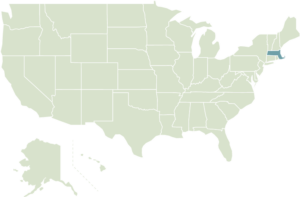
State Specific Training
for Massachusetts

Preparing for A2L Refrigerants
In late 2021, the United States Environmental Protection Agency (EPA) issued a rule implementing legislation that mandates an 85-percent nationwide phasedown in hydrofluorocarbon (HFC) refrigerants by 2036.
The following series of videos, from ICC and our industry partners, address some of the different aspects of the resulting transition to A2L refrigerants that are important for building inspectors, code officials and contractors.

An Overview of
A2L Refrigerants
with Samantha Slater
AHRI SVP of Government Affairs
A2L Transition Timeline
for 2024 and 2025
with Samantha Slater
AHRI SVP of Government Affairs
Changes to Codes & Standards
Addressing A2L Refrigerants
with Jim Cika
ICC Director, PMG Technical Resources
What Building Inspectors, Code
Officials & Contractors Need to Know
with Jim Cika
ICC Director, PMG Technical Resources
Restrictions on
A2L Refrigerant Use
with Chuck White
PHCC VP of Regulatory Affairs
The Basics of Handling
A2L Refrigerants
with Chuck White
PHCC VP of Regulatory Affairs
Where to Find A2L
Refrigerant Training Resources
with Chuck White
PHCC VP of Regulatory Affairs
A2L Refrigerant 101
and Their Flammability
with Samantha Slater
AHRI SVP of Government Affairs
Upcoming Code Changes
The 2024 I-Code changes facilitate compliance with these requirements and support producers and refrigerant appliance manufacturers already transitioning to lower-GWP solutions such as A2Ls. Approved code changes in the 2024 International Building Code (IBC), 2024 International Residential Code (IRC), International Fire Code (IFC) and International Mechanical Code (IMC) allow commercial and residential use of A2L refrigerants to replace high global warming potential (GWP) HFC refrigerants (Click here to download changes to the 2024 I-Codes)
The Code Council, in collaboration with the Air-Conditioning, Heating and Refrigeration Institute (AHRI), Plumbing-Heating-Cooling Contractors Association (PHCC), Air Conditioning Contractors of America (ACCA), and Heating Air-Conditioning & Refrigeration Distributors International (HARDI) are prepared to partner with the construction industry to help navigate this positive change. Check back here for updates and new resources.
A2L Refrigerant Related Code Provisions of the 2024 I-Codes
to Consider as Amendments to the 2021 I-Codes
A2L Refrigerant Related Code Provisions of the 2024 I-Codes
to Consider as Amendments to the 2018 I-Codes
A2L Refrigerant Related Code Provisions of the 2024 I-Codes
to Consider as Amendments to the 2015 I-Codes
A2L Refrigerant Related Code Provisions of the 2024 I-Codes
to Consider as Amendments to the 2012 I-Codes
Learn more about the code changes and A2L refrigerants
Other Resources
- Read the ICC press release.
- View the EPA website for the phasedown of hydrofluorocarbons.
- View AHRI's "Safe Refrigerant Transition" website for additional resources, fact sheets, presentations and webinars on A2Ls.
- View AHRI's interactive "A2L Refrigerant Building Code Map" to see how individual states are handling the transition to A2Ls.
- View AHRI's training webinars on the regulation of HFC refrigerants and the transition to A2Ls.
- Learn more about the development of the I-Codes.
- Get an overview of our PMG Codes.
FAQs
Talk to an Expert
For more information, contact Jim Cika, Director of PMG Technical Resources
at jcika@iccsafe.org.