
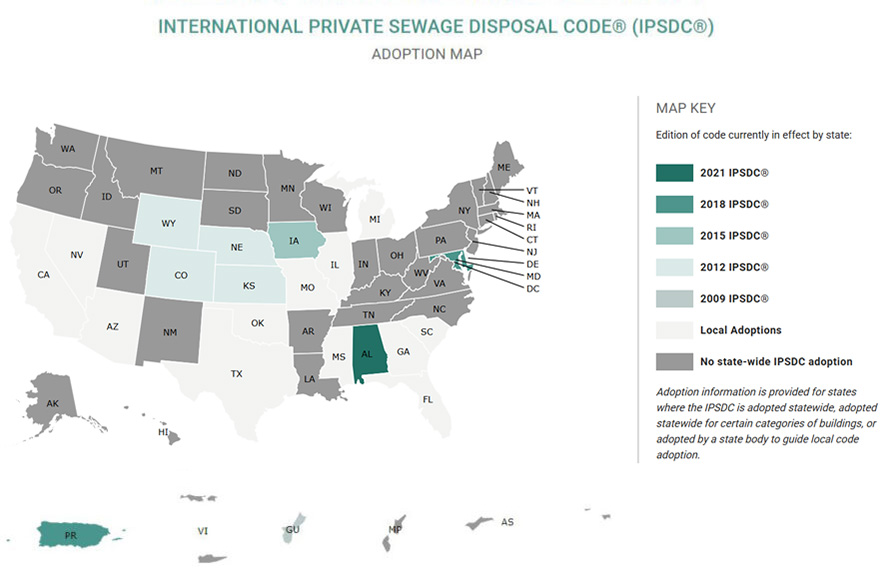
The IPSDC is an innovative, efficient and effective private sewage disposal code that is fully correlated with the other International Codes® (I-Codes®). It includes provisions for the design, installation, and inspection of private sewage disposal systems, and provides flexibility in the development of safe systems. The IPSDC is adopted in 17 states across the U.S. and is also adopted in Puerto Rico and Guam. Approximately 131 million people, or 38% of the US population, live in areas that have adopted the IPSDC.
The IPSDC is a vital part of a complete building safety system for communities, individuals, and businesses needing their own onsite wastewater solutions. It is a companion to the IPC that provides minimum acceptable requirements for private sewage disposal systems in order to protect humans and the environment from insanitary conditions.
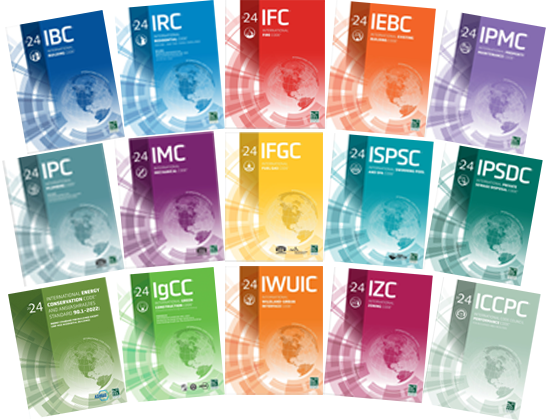
The I-Codes, when adopted as a family of codes, correlating as they do, provide a consistent system of regulations that designers, builders, and regulators can rely on, across city, county, or state lines.
The adoption of building codes, including the private sewage disposal code, is not just about the codes. Technical support, in the form of expert advice, code opinions, and technical resources are some of the most sought-after services following adoption of a code.


The Code Council’s expert technical staff provides advice, code opinions, and resources to our more than 70,000 members as a complimentary benefit.
We have several resources, including commentaries and study companions, to support our members and industry professionals in achieving a better understanding of the code and implementing inspection programs.


Numerous training resources are available on the IPSDC including face to face training and webinars which are led by qualified instructors and industry leaders.
The Code Council also has a world class digital platform where codes, industry standards and resources can be accessed from one’s computer, tablet, or phone.
The IPSDC is developed through a governmental consensus process
that involves many interest groups including public safety officials, plumbing contractors, manufacturers, standards development organizations, academia, consumers and many more;
cannot be influenced by vested financial interests;
and is conducted every three years.
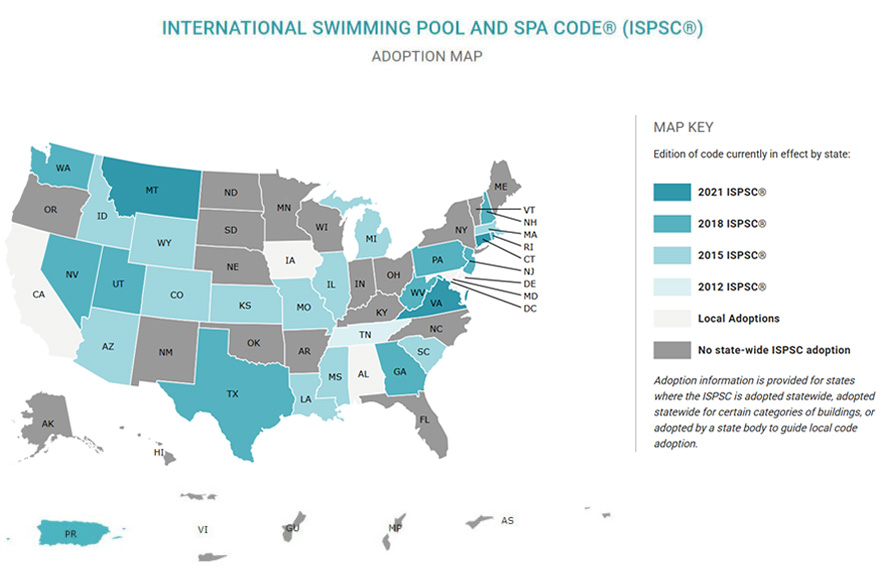
The ISPSC is the most widely adopted swimming pool and spa code across the United States. The ISPSC is currently adopted in 33 states across the U.S. and is also adopted in the District of Columbia and Puerto Rico. Approximately 246 million people, or 72% of the US population, live in areas that have adopted the ISPSC.
The ISPSC is a vital part of a complete building safety system, providing an integral component necessary to achieving a safe and healthy environment for users of swimming pools, spas, hot tubs and aquatic facilities.
The I-Codes, when adopted as a family of codes, correlating as they do, provide a consistent system of regulations that designers, builders, and regulators can rely on,
across city, county, or state lines.
The adoption of building codes, including the swimming pool and spa code, is not just about the codes. Technical support, in the form of expert advice, code opinions, and technical resources are some of the most sought-after services following adoption of a code.
The Code Council’s expert technical staff provides advice, code opinions, and resources to our more than 70,000 members as a complimentary benefit.
We have several resources, including commentaries and study companions, to support our members and industry professionals in achieving a better understanding of the code and implementing inspection programs.
Numerous training resources are available on the ISPSC including face to face training and webinars which are led by qualified instructors and industry leaders.
The Code Council also has a world class digital platform where codes, industry standards and resources can be accessed from one’s computer, tablet, or phone.
The ISPSC is developed through a governmental consensus process
that involves many interest groups including public safety officials, pool and spa contractors, manufacturers, standards development organizations, academia, consumers and many more;
cannot be influenced by vested financial interests;
and is conducted every three years.
2025 Group B Hearing Orders
2025 Committee Action Hearings (CAH1) (Group B Codes)
Hearing Orders
* Click the Word icon to download
 |
2025 IADMIN | Published 03/20/25 | 15 KB |
|
|
2025 IBC General | Published 03/20/25 | 19 KB |
|
|
2025 IBC Structural | Published 03/20/25 | 20 KB |
|
|
2025 IEBC | Published 03/20/25 | 16 KB |
|
|
2025 IPMC | Published 03/20/25 | 16 KB |
|
|
2025 IRC Building | Published 03/20/25 | 30 KB |
|
|
2025 IZC | Published 03/20/25 | 15 KB |
Updates to the Hearing Orders
* Click the Word icon to download
|
|
2025 IADMIN 3 24 25 | Published 03/24/25 | 15 KB |
|
|
2025 IBC General 3 27 25 | Published 04/08/25 | 19 KB |
|
|
2025 IBC Structural 4 7 25 | Published 04/08/25 | 20 KB |
|
|
2025 IEBC 4 7 25 | Published 04/08/25 | 16 KB |
|
|
2025 IPMC IZC 4 7 25 | Published 04/08/25 | 17 KB |
|
|
2025 IRC Building 3 24 25 | Published 03/24/25 | 30 KB |
Water Reuse in the 21st Century
Given an increasingly limited water supply, more jurisdictions across the U.S. are adopting onsite non-potable water systems (ONWS) to address water shortages.
Potable water from a public drinking water treatment plant is required to meet Safe Drinking Water Act (SDWA) standards. However, no national regulations exist for onsite non-potable water systems for reuse treatment, storage, and delivery.

Water Reuse Provisions in the I-Codes
The I-Codes address construction, installation, alteration, and repair of on-site non-potable water reuse systems, non-potable rainwater collection and distribution systems, and reclaimed water systems.
Generally speaking, these codes and standards, including the IPC, IRC, and CSA B805/ICC 805, address delivery and the quality of potable and non-potable water.


Water Reuse Working Group
The Code Council, in partnership with The National Blue Ribbon Commission for Onsite Non-potable Water Systems (NBRC), established a Water Reuse Working Group to explore opportunities to protect public health and better support jurisdictions seeking to advance water reuse opportunities. This diverse working group researched all aspects of onsite water reuse, developed a roadmap, and propose needed resources, including recommended updates to the 2027 International Plumbing Code and 2027 International Residential Code necessary to meet a jurisdictions’ water reuse goals such as risk-based water quality requirements based on application.
Water Conservation Provisions in the I-Codes
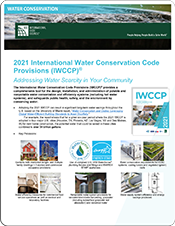
The International Water Conservation Code Provisions (IWCCP)® provides a comprehensive tool for the design, installation, and administration of potable and nonpotable water conservation and efficiency systems.
The IWCCP contains all the water conservation and hot water energy related provisions from the IPC, IRC, IgCC, IECC and related ICC standards. Adopting the 2021 IWCCP can result in significant long-term water savings.


Water Reuse FAQs
Learn More About Water Reuse
Background Information
- Preparing buildings and communities for water reuse
Read article - Proposed changes for the 2027 I-Codes
Read article - Code Council hosts water policy and technical conference
Read article - Podcast: Water reuse in the United States
Listen to Podcast
Talk to an Expert
For more information, contact Lisa Reiheld Director of PMG Technical Resources at lreiheld@iccsafe.org.

2024 Group A Hearing Orders
2024 Committee Action Hearings (CAH2) (Group A Codes)
Hearing Orders
* Word Document(s): To download, right click icon, select "save target as" and save to your computer.
|
|
CAH2 ISPSC HO | Published 10/07/24 | 19 KB |
|
|
CAH2 IRC P HO | Published 10/07/24 | 19 KB |
|
|
CAH2 IRC M HO | Published 10/07/24 | 19 KB |
|
|
CAH2 IPC HO | Published 10/07/24 | 19 KB |
|
|
CAH2 IMC HO | Published 10/07/24 | 19 KB |
|
|
CAH2 IFGC HO | Published 10/07/24 | 18 KB |
|
|
CAH2 IBC E HO | Published 10/07/24 | 20 KB |
|
|
CAH2 IBC FS HO | Published 10/07/24 | 19 KB |
|
|
CAH2 IFC HO | Published 10/07/24 | 21 KB |
Updates to the Hearing Orders
* Word Document(s): To download, right click icon, select "save target as" and save to your computer.
|
|
CAH2 IMC HO 10 8 24 | Published 10/08/24 | 19 KB |
2024 / 2025 / 2026 Code Development: Group B (2025)
Find the latest news and documents below
March 2026
2026 Public Comment Hearing (PCH) Agenda (Monograph) and Discussion Guide with Updates to the PCH
The detailed Agenda for the PCH (Monograph) and Discussion Guide are now available. Please refer to the "Hearing Resource" tab on the Code Development Committees (CDC) page for these documents and other notable resource as they become available.
November 2025
2025 Group B ROCAH to CAH #2 Now Available
The 2025 Group B Report of Committee Action Hearing Results to CAH #2 are now available. Click here for the results.
2025 Group B CAH2 Results Now Available
The 2025 Group B Committee Action Hearing #2 results from the meeting held at Huntington Convention Center of Cleveland, Cleveland, OH., are now available. Click here for the results. Note that the Report of Committee Action Hearings is scheduled to be posted November 25.
September 2025
2025 Group B Discussion Guide and CAH #2 Agenda Updates
The 2025 Group B Discussion Guide and CAH # 2 Agenda Updates are now available.
2025 Group B Comments Now Available
The 2025 Group B comments are posted. Click here to view.
June 2025
2025 Group B Comment Submittal Now Open
As of June 3, 2025, cdpACCESS is accepting comments on the CAH #1 actions. Go to https://www.cdpaccess.com for more information.
2025 Group B ROCAH to CAH #1 Now Available
The 2025 Group B Report of Committee Action Hearing Results to CAH #1 are now available. Click here for the results.
May 2025
2025 Group B CAH1 Results Now Available
The 2025 Group B Committee Action Hearing #1 results from the meeting held at DoubleTree by Hilton, Universal Orlando, Orlando, FL., are now available. Click here for the results. Note that the Report of Committee Action Hearings is scheduled to be posted June 3rd.
March 2025
2025 Group B Table Update Agenda
Due to missing borders in some tables within the 2025 Group B Committee Action Agenda, a 2025 CAH #1 Table Agenda Update has been added below. This update includes the affected tables with proper borders for improved clarity.
October 2024
2025 Group B Code Change Proposal Submittals Now Open
As of October 15th, cdpACCESS is accepting code change proposals to 2025 Group B codes. Go to https://www.cdpaccess.com for more information.
2025 New Standards
How to submit new standards for Group B now available.
Hearing dates for the 2025 Group B Cycle
- 2025 Committee Action Hearing #1 April 27– May 6, 2025
- 2025 Committee Action Hearing #2 October 22–30, 2025
Group B – Proposed Changes to the 2024 Editions
 |
2025 Group B Committee Action Agenda | Published 03/13/25 | 141784 KB |
|
|
2025 Group B Consolidated Monograph Updates 4 18 25 | Published 04/18/25 | 990 KB |
|
|
2025 CAH1 Table Update Agenda | Published 03/18/25 | 6731 KB |
|
|
2025 Group B Introduction | Published 03/13/25 | 2094 KB |
|
|
2025 Group B IADMIN | Published 03/13/25 | 5219 KB |
|
|
2025 Group B IBC Fire Safety | Published 03/13/25 | 1729 KB |
|
|
2025 Group B IBC-General | Published 03/13/25 | 6021 KB |
|
|
2025 Group B IBC Structural | Published 03/13/25 | 28379 KB |
|
|
2025 Group B IEBC | Published 03/13/25 | 4516 KB |
|
|
2025 Group B IgCC | Published 03/13/25 | 941 KB |
|
|
2025 Group B IPC | Published 03/13/25 | 909 KB |
|
|
2025 Group B IPMC | Published 03/13/25 | 2279 KB |
|
|
2025 Group B IRC Building | Published 03/13/25 | 31904 KB |
|
|
2025 Group B ISPSC | Published 03/13/25 | 919 KB |
|
|
2025 Group B IZC | Published 03/13/25 | 1342 KB |
|
|
2025 Group B CCC | Published 03/13/25 | 1889 KB |
2025 Group B Report of Committee Action to CAH #1
|
|
Group B Report Of Committee Action Hearings (CAH 1) | Published 06/03/25 | 2933 KB |
2024 Group A Hearing Orders
2024 Committee Action Hearings (CAH1) (Group A Codes)
Hearing Orders
* Word Document(s): To download, right click icon, select "save target as" and save to your computer.
|
|
IFC HO 3 28 24 | Published 03/28/24 | 24 KB |
|
|
IMC HO 3 28 24 | Published 03/28/24 | 20 KB |
|
|
IPC HO 3 28 24 | Published 03/28/24 | 21 KB |
|
|
IRC P HO 3 28 24 | Published 03/28/24 | 20 KB |
|
|
ISPSC HO 3 28 24 | Published 03/28/24 | 19 KB |
|
|
IBC E HO 3 28 24 | Published 03/28/24 | 21 KB |
|
|
IBC FS HO 3 28 24 | Published 03/28/24 | 20 KB |
|
|
IFGC HO 3 28 24 | Published 03/28/24 | 19 KB |
|
|
IRC M HO 3 28 24 | Published 03/28/24 | 19 KB |
Updates to the Hearing Orders
* Word Document(s): To download, right click icon, select "save target as" and save to your computer.
|
|
IBC E HO 4 14 24 | Published 04/14/24 | 21 KB |
|
|
IBC FS HO 4 13 24 | Published 04/13/24 | 21 KB |
|
|
IFC HO 4 10 24 | Published 04/10/24 | 25 KB |
|
|
IMC HO 4 12 24 | Published 04/12/24 | 20 KB |
|
|
IPC HO 4 8 24 | Published 04/08/24 | 21 KB |
|
|
IRC M HO 4 10 24 | Published 04/10/24 | 19 KB |
|
|
IRC P HO 4 10 24 | Published 04/10/24 | 20 KB |
|
|
ISPSC HO 4 7 24 | Published 04/07/24 | 19 KB |
Building Valuation Data – Members
Updated August 2026
ICC strongly recommends that all jurisdictions and other interested parties actively evaluate and assess the impact of this BVD table before utilizing it in their current code enforcement related activities.
Building Valuation Data Archives
Click icon to view file.
|
|
August 2026 | Published 08/14/26 | 180 KB |
|
|
February 2026 | Published 02/27/26 | 286 KB |
 |
February 2026 | Published 02/27/26 | 12 KB |
|
|
August 2025 | Published 08/12/25 | 102 KB |
|
|
August 2025 | Published 08/12/25 | 13 KB |
|
|
February 2025 | Published 02/28/25 | 203 KB |
|
|
February 2025 | Published 02/28/25 | 13 KB |
|
|
August 2024 | Published 08/13/24 | 535 KB |
|
|
August 2024 | Published 08/13/24 | 19 KB |
|
|
February 2024 | Published 03/01/24 | 203 KB |
 |
February 2024 | Published 03/01/24 | 42 KB |
|
|
August 2023 | Published 08/23/23 | 337 KB |
|
|
August 2023 | Published 08/23/23 | 48 KB |
|
|
February 2023 | Published 08/25/23 | 337 KB |
|
|
February 2023 | Published 08/25/23 | 42 KB |
|
|
August 2022 | Published 09/20/22 | 337 KB |
|
|
August 2022 | Published 09/20/22 | 42 KB |
|
|
February 2022 | Published 02/28/22 | 203 KB |
|
|
February 2022 | Published 02/28/22 | 46 KB |
|
|
August 2021 | Published 08/31/21 | 206 KB |
|
|
August 2021 | Published 08/31/21 | 42 KB |
|
|
February 2021 | Published 03/02/21 | 337 KB |
|
|
February 2021 | Published 03/02/21 | 52 KB |
|
|
August 2020 | Published 09/01/20 | 260 KB |
|
|
August 2020 | Published 09/01/20 | 20 KB |
|
|
February 2020 | Published 02/13/20 | 337 KB |
|
|
February 2020 | Published 03/02/21 | 52 KB |
|
|
August 2019 | Published 08/28/19 | 181 KB |
|
|
August 2019 | Published 08/28/19 | 19 KB |
|
|
February 2019 | Published 02/25/19 | 181 KB |
|
|
February 2019 | Published 03/02/21 | 53 KB |
|
|
August 2018 | Published 08/27/18 | 173 KB |
|
|
August 2018 | Published 03/02/21 | 52 KB |
|
|
February 2018 | Published 03/02/18 | 153 KB |
|
|
February 2018 | Published 03/02/21 | 52 KB |
|
|
August 2017 | Published 08/25/17 | 141 KB |
|
|
August 2017 | Published 03/02/21 | 42 KB |
|
|
February 2017 | Published 02/21/17 | 125 KB |
|
|
February 2017 | Published 02/21/17 | 53 KB |
|
|
August 2016 | Published 08/22/16 | 154 KB |
|
|
August 2016 | Published 08/22/16 | 52 KB |
|
|
June 2016 | Published 08/22/16 | 125 KB |
|
|
June 2016 | Published 08/22/16 | 41 KB |
|
|
August 2015 | Published 12/15/15 | 154 KB |
|
|
August 2015 | Published 12/15/15 | 41 KB |
|
|
February 2015 | Published 12/15/15 | 154 KB |
|
|
February 2015 | Published 12/15/15 | 50 KB |
|
|
August 2014 | Published 12/15/15 | 153 KB |
|
|
August 2014 | Published 12/15/15 | 52 KB |
|
|
February 2014 | Published 03/02/15 | 46 KB |
|
|
February 2014 | Published 03/02/15 | 50 KB |
|
|
August 2013 | Published 03/02/15 | 46 KB |
|
|
August 2013 | Published 03/02/15 | 49 KB |
|
|
February 2013 | Published 03/02/15 | 45 KB |
|
|
February 2013 | Published 03/02/15 | 50 KB |
|
|
August 2012 | Published 03/02/15 | 46 KB |
|
|
August 2012 | Published 03/02/15 | 50 KB |
|
|
February 2012 | Published 03/02/15 | 45 KB |
|
|
February 2012 | Published 03/02/15 | 49 KB |
|
|
August 2011 | Published 03/02/15 | 45 KB |
|
|
February 2011 | Published 03/02/15 | 47 KB |
|
|
August 2010 | Published 03/02/15 | 48 KB |
|
|
February 2010 | Published 03/02/15 | 48 KB |
|
|
August 2009 | Published 03/02/15 | 47 KB |
|
|
February 2009 | Published 03/02/15 | 55 KB |
|
|
August 2008 | Published 03/02/15 | 53 KB |
|
|
February 2008 | Published 03/02/15 | 56 KB |
Advancements in the Implementation of Hydrogen Fuel
Amongst global efforts to combat greenhouse gas emissions, hydrogen fuel has emerged as a viable solution in transitioning to a more sustainable and climate-friendly fuel source.
Because of its ability to be produced with zero or near-zero carbon emissions, many regions have begun investing in hydrogen technologies, which has further accelerated industry innovation and job opportunities on a global scale.
Accelerating Hydrogen Fuel Deployment Through H2Hubs
On October 13th, 2023, the U.S. Department of Energy (DOE) announced the allocation of $7 billion dollars to develop seven Regional Clean Hydrogen Hubs (H2 Hubs) strategically located across the U.S. as part of the Bipartisan Infrastructure Law.
The H2Hubs will accelerate the commercial-scale deployment of low-cost hydrogen to meet the nation’s climate and energy security goals.
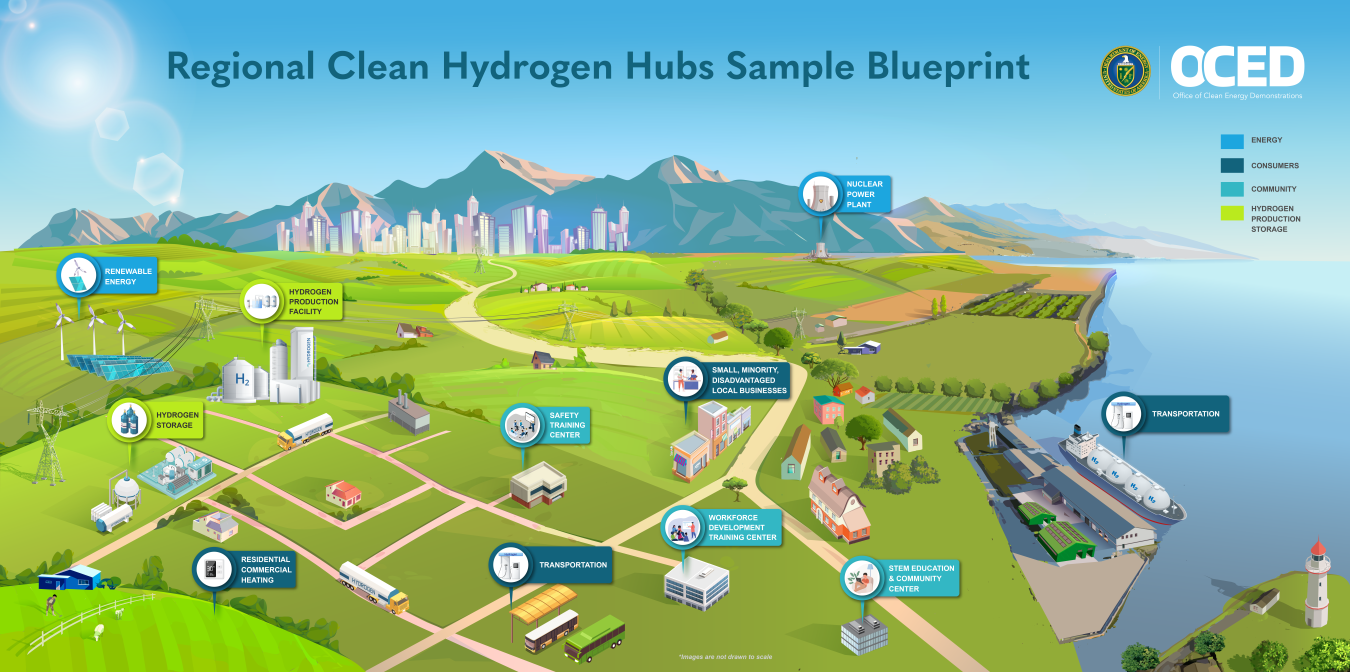
The H2Hubs are anticipated to generate a combined output of three million metric tons of hydrogen each year, contributing to almost one-third of the 2030 U.S. production goal while reducing emissions from hard-to-decarbonize industrial sectors.
Additionally, the H2Hubs are projected to decrease carbon dioxide emissions by 25 million metric tons annually, as well as generate and maintain tens of thousands of jobs nationwide while promoting healthier communities.







Hydrogen Fuel Provisions in the I-Codes
Model codes and standards must be updated to address safety gaps when hydrogen is blended into the natural gas supply. The Code Council is currently in the process of developing the 2027 International Codes® (I-Codes), which includes code proposals developed by the PMG and Fire Code Action Committees that address the blending of gaseous hydrogen with natural gas in the built environment.
Gaseous hydrogen fuel at least 95 percent by volume and no more than 1 percent oxygen, has had code requirements included in the International Fuel Gas Code® (IFGC®) and many other publications for years. The working group’s scope was to expand the minimum safety provisions to address natural gas including gaseous hydrogen admixtures.

Hydrogen Working Group
The PMGCAC Hydrogen Working Group was composed of representatives from academia, national and international associations, national testing laboratories, manufacturers of appliances/equipment/piping systems, contractors, engineers, natural gas energy suppliers, standard development organizations, building and fire officials and other stakeholders.
This group assessed existing I-Code requirements related to hydrogen use, considering current industry practices and safety needs in the built environment.
Through collaborative efforts, rigorous code proposal development and proactive regional outreach, the Code Council is ensuring codes address the global paradigm shift towards a safer, more sustainable and efficient hydrogen-fueled future.
Hydrogen Fuel FAQs
Learn More About Hydrogen Fuel
Background Information
- Background on hydrogen use as a carbon free fuel
Read article - Background on the regional clean hydrogen hubs
Read article
Other Hydrogen Fuel Resources
- Read about bringing heat-reaction technology to the U.S.
- Learn more about the development of the I-Codes
- Get an overview of our PMG Codes
- For more information on the progress of hydrogen utilization in the U.S. and globally, visit the Department of Energy's Hydrogen Program website
Hydrogen Codes and Standards Development
The Code Council actively engages in opportunities to support hydrogen codes and standards development. Some of these activities include:
Fuel Cell and Hydrogen Energy Association (FCHEA) National Hydrogen and Fuel Cell Codes and Standards Coordinating Committee – Member
Read details▼
- Through this committee, the Code Council advises the DOE on hydrogen advancements in research, development and technology for U.S. Clean Hydrogen Strategy Road Mapping
- Members of this committee include the Code Council, National Research Labs, CSA, ASTM, ASME, DOE, EPA, NFPA, multiple state natural gas supplier companies, Authorities Having Jurisdiction, academia and manufacturers
Development of Canada’s National Hydrogen Deployment Codes and Standards Roadmap through Standards Council of Canada and National Resources Canada – Committee Task Group Member
As an active member of the Center for Hydrogen Safety (CHS), the Code Council is involved in developing tools and best practices to address several education gaps related to hydrogen production, storage, transportation and end-use. This involvement extends to both national and international levels. Specifically, the Code Council focuses on developing permitting and inspection guidance for H2 projects, along with training programs covering hydrogen manufacturing, transportation, storage and usage, among other aspects of guidance development.
CHS Culture Working Group – Participant
NFPA 2 Hydrogen Technologies Code Technical Committee – Member
ASTM D03 Gaseous Fuels Main Committee – Member
ASTM D03.14 Subcommittee for Hydrogen and Fuel Cells assisting in the development of gaseous hydrogen related standards – Committee Member
Read details▼
Served as panelist at ASTM Natural Gas Hydrogen Blends Workshop Dec. 5-6, 2023, performing presentations on codes and standards associated with the use of hydrogen
ASTM D7606-17 Standard Practice for Sampling of High-Pressure Hydrogen and Related Fuel Cell Feed Gases – Committee Member
Code Council PMGCAC H2 – Working Group Liaisons
Center for Hydrogen Safety (CHS) Hydrogen Hubs Working Group
Read details▼
Worldwide, there's a noteworthy surge in activities and substantial funding allocated toward advancing hydrogen hubs.
As these initiatives proceed, there will naturally arise inquiries about safety protocols and optimal practices. In the realm of hydrogen safety, the preeminent global authority is the Center for Hydrogen Safety (CHS). To meet the needs of these developing hubs CHS is establishing a Hydrogen Hubs Working Group that will be open to any CHS member that is a part of a global hub.
The Hydrogen Hubs Working Group will provide a forum for hub participants to:
- Discuss safety topics and issues
- Participate in a community to resolve shared problems.
- Develop resources that can be used among working group members
- Highlight and promote significant hydrogen safety issues to outside entities
Technical committee member for the following appliance and equipment standards developing requirements for blended H2 and natural gas
Read details▼
- ANSI/CSA Z21 and Z83 Joint Technical Committee members addressing H2 and Natural Gas blending standards for appliances and equipment
- CSA Z21.83 Gas Fueled Products and Related Accessories
- CSA Z21/83 H2 Level 2 Subgroup - H2 test gas composition and compatibility/flashback/burner characteristics
- CSA Z21/83 H2 Level 2 Subgroup - Piping Systems and Higher Pressures
- CSA Z21/83 H2 Level 2 Subgroup - Impact on Venting Materials (Metallic and Non-Metallic)/Heat Exchangers
- CSA Z21/83 H2 Level 2 Subgroup - Piping Systems/Threaded Connections (for end use)
- CSA Z21/83 H2 Level 2 Subgroup - Retroactivity/Inservice Appliances
- CSA Z21/83 H2 Level 2 Subgroup - Controls/Internal-External Leakage - Vent Limiting Function
- CSA Z21/83 H2 Level 2 Subgroup - Test Gas Composition/Gas Compatibility Limits
- CSA Vented Heaters TSC (J101.22)
- Z21.50/CSA 2.22, Vented decorative gas appliances
- Z21.86/CSA 2.32, Vented gas-fired space heating appliances
- Z21.88/CSA 2.33, Vented gas fireplace heaters
- CSA Unvented Heaters TSC (U101.2)
- Z21.11.2, Gas-fired room heaters, volume II, unvented room heaters
- Z21.11.3, Gas-fired room heaters, volume III, propane-fired portable emergency use heater systems
- Z21.76, Gas-fired unvented catalytic room heaters for use with propane gas
- Z21.91, Ventless firebox enclosures for gas-fired unvented gas log type room heaters
- CSA Infrared Heaters TSC (J101.4)
- Z83.19/CSA 2.35, Gas-fired high-intensity infrared heaters
- Z83.20/CSA 2.342, Gas-fired tubular, and low-intensity infrared heaters
- Z83.26/CSA 2.37, Gas-fired outdoor infrared patio heaters
- CSA 2.20 (draft), Gas-fired brooders
- CSA/ANSI LC 1 Fuel Gas Piping Systems Using Corrugated Stainless-Steel Tubing (CSST)
- CSA/ANSI LC 4 Press‐connect metallic fittings for use in fuel gas distribution systems
- CSA/ANSI LC 6 Natural Gas Operated Diaphragm Pumps
- CSA/ANSI Z21.41- CSA 6.9, Quick-disconnect devices for use with gas fuel appliances
- CSA/ANSI Z21.66 - CSA 6.14 - Automatic damper devices for use with gas-fired appliances
- CSA/ANSI Z21.21/CSA 6.5 - Automatic valves for gas appliances
- CSA/ANSI Joint Technical Sub-Committee on Standards on Automatic Gas Controls [J101.7]
- CSA/ANSI Joint Technical Sub-Committee on Standards on Manual Valves [J101.16]
- CSA Technical Sub-Committee JB 121.17 Performance Testing of Hydrogen-Enriched Appliances (P.17)
Talk to an Expert
For more information, contact Mark Fasel Director of PMG Technical Resources at mfasel@iccsafe.org.

2024 IECC Appeals
The rigorous, transparent development process for the International Energy Conservation Code® meets the fundamental principles of Office of Management and Budget Circular No A-119 (Federal Participation in the Development and Use of Voluntary Consensus Standards and in Conformity Assessment Activities), a key principle of which, is an appeals process.
Read on to view information about appeals that have been made to the 2024 International Energy Conservation Code.
April 2024
- 2024 IECC Appeals – IECC Feedback Form Click here.
- 2024 IECC Appeals – ICC Board of Directors Actions Report Read here.
March 2024
- 2024 IECC Board of Directors Final Decision Read here.
- 2024 IECC Appeals Board Report Now available.
- 2024 IECC Appeals – ICC Board of Directors Hearing More info.
February 2024
- 2024 IECC Appeals – Hearing Schedule (Speaking Order) Now available.
- 2024 IECC Appeals – Staff Analyses Now available.
- 2024 IECC Appeals – Viewpoints Now available.
January 2024
- 2024 IECC Appeals – Notice of Hearing The International Energy Conservation Code® (IECC) Notice of Hearing is now available. Download it here. Updated 2/16/24
- 2024 IECC Appeals – Appeals Notice Read an update on the 2024 IECC appeals process and download the Appeals Notice. Download notice
November 2023
- 2024 International Energy Conservation Code Update: Appeals Deadline Extended and Next Steps
Includes information on 2027 Next Steps and 2027 Call for Committees. Read article
2024 IECC APPEALS – SUBMITTED APPEALS
In accordance with CP-01 Appeals process, the International Code Council has received appeals on the 2024 IECC (Commercial & Residential) committee actions. The appeal deadline was January 2, 2024 (see BSJ Notice). Details on the appeals process can be found on the ICC Corporate Governance web page. Further information on the 2024 IECC Appeals Process Overview can be found here.
The nine appeals received are as follows:
2024 IECC APPEALS – BOARD OF DIRECTORS HEARING
Pursuant to CP-01, the International Code Council Board of Directors shall review each of the appeals and the report of the Appeals Board and shall take appropriate action on each of the appeals. With respect to the appeals filed in connection with the 2024 IECC, the Board will hear from interested parties, in accordance with the guidelines in the “Procedures for Interested Parties to Present to ICC Board of Directors.” The Board meeting will be held at 8:00 AM PT on Monday, March 18, 2024.
For those who are interested in watching the proceedings, a YouTube link is available below, and will go live Monday, March 18 at 8:00 AM PT.
Procedures for Interested Parties to Present to ICC Board of Directors
Hearings Webcast
The 2024 IECC Appeals ICC Board of Directors Hearing occurred on March 18, 2024.
2024 IECC APPEALS – APPEALS HEARINGS
The Appeals Board has decided to consider the appeals in four groups as noted below.
- Scope and Intent (AGA, APGA, NMHC/BOMA, Region VI)
- Consensus Building Approaches (AGA, APGA, Region VI)
- Procedural Specific Issues (AHRI, APGA, Region VI)
- Subject Specific Issues (AHRI, NMHC/BOMA, Region VI)
Hearing Schedule by Group
See the Hearing Schedule by Group by clicking here ▼
| Appeal Basis | Hearing Date/Time | Category Related Issues |
|---|---|---|
| Scope and Intent | [Day 1] February 21 at 7 am Pacific Time |
|
| Consensus Building Approaches | [Day 2 Part A] February 22 at 7 am Pacific Time |
Whether the consensus building approach utilized by the IECC residential consensus committee was consistent with ICC’s policies |
| Procedural Specific Issues | [Day 2 Part B] February 22 following the completion of Day 2 Part A. |
|
| Subject Specific Issues | [Day 3] February 23 at 7 am Pacific Time |
|
Submitted Viewpoints
See all of the viewpoints by clicking here ▼
See appeals by number in the Submitted Appeals section.
| Viewpoint Submitted | Pertains to |
|---|---|
| 350 Contra Costa Action – Farber | In Opposition: 1, 2, 3, 4, 5, 6 Day 1, Day 2, Day 3 |
| AIM Associates – Beeler | In Opposition: 1, 2, 3, 4, 5, 6, 7, 8, 9 Day 1, Day 2, Day 3 |
| Alliance for Transportation Electrification – Tempchin | In Opposition: 3, 6, 7, 8 Day 1, Day 2, Day 3 |
| American Council for an Energy-Efficient Economy – Waite | In Opposition: 1, 2, 3, 4, 5, 6, 7, 8, 9 Day 1, Day 2, Day 3 |
| American Gas Association – Murray | In Support: 7 Day 1, Day 2 |
| Atmos Energy Corporation – Tate | In Support: 7 Day 1, Day 2 |
| CAIOUs – Surana | In Opposition: 6, 7, 8 Day 1, Day 2, Day 3 |
| California Electric Transportation Coalition – Corby | In Opposition: 1, 2, 3, 4, 5, 6, 7, 8, 9 Day 1, Day 2, Day 3 |
| City and County of Denver – Office of Climate Action, Sustainability and Resiliency – Anderson | In Opposition: 1, 2, 3, 4, 5, 6, 7, 8, 9 Day 1, Day 2, Day 3 |
| Drive Electric Dayton – Hankins | In Opposition: 1, 2, 3, 4, 5, 6, 7, 8, 9 Day 1, Day 2, Day 3 |
| Edison Electric Institute – Rosenstock | In Opposition: 3, 6, 7, 8 Day 1, Day 2, Day 3 |
| Electric Drive Transportation Association (EDTA) – Cullen | In Opposition: 3, 7, 8 Day 1, Day 2, Day 3 |
| Energy Solutions – Burk | In Opposition: 1, 2, 3, 4, 5, 6, 7, 8, 9 Day 1, Day 2, Day 3 |
| EV Charging for All Coalition (EVCAC) – Warheit | In Opposition: 1, 2, 3, 4, 5, 6, 7, 8, 9 Day 1, Day 2, Day 3 |
| Leading Builders of America – Crone | In Opposition: 2, 3, 4, 5, 7, 8 Day 1, Day 2, Day 3 |
| Lutron Electronics Co., Inc. – Jouaneh | In Opposition: 2 Day 1, Day 3 |
| Municipal Gas Authority of Georgia – Tolleson | In Support: 8 Day 1, Day 2 |
| National Electrical Manufacturers Association (NEMA) – Holland | In Opposition: 1, 2, 3, 4, 5, 6, 7, 8, 9 Day 1, Day 2, Day 3 |
| National Glass Association, Aluminum Extruders Council – Culp | In Opposition: 7, 8 Day 1, Day 2 |
| National Multifamily Housing Council – Johnson – 1 | In Support: 6 Day 1, Day 2, Day 3 |
| National Multifamily Housing Council – Johnson – 2 | In Support: 3, 6 Day 1, Day 2, Day 3 |
| National Propane Gas Association – Swiecicki | In Support: 3, 4, 5, 6, 7, 8, 9 Day 1, Day 2, Day 3 |
| New Buildings Institute – Rabe | In Opposition: 1, 2, 3, 4, 5, 6, 7, 8, 9 Day 1, Day 2, Day 3 |
| ONE Gas Inc – Rhodes | In Support: 7 Day 1, Day 2 |
| Philadelphia Gas Works – Zuk | In Support: 8 Day 1, Day 2 |
| RESNET – Baden | In Opposition: 1, 2, 3, 4, 5, 6, 7, 8, 9 Day 1, Day 2, Day 3 |
| Rinnai – McGuire | In Support: 8 Day 1, Day 2 |
| RMI – Kocher | In Opposition: 1, 2, 3, 4, 5, 6, 7, 8, 9 Day 1, Day 2, Day 3 |
| Self – Bunger | In Opposition: 1, 2, 3, 4, 5, 6, 7, 8, 9 Day 1, Day 2, Day 3 |
| Self – Collignon | In Opposition: 7, 8 Day 1, Day 2 |
| Self – Guhl | In Opposition: 1, 2, 3, 4, 5, 6, 7, 8, 9 Day 1, Day 2, Day 3 |
| Self – Guinan | In Support: 1, 2, 3, 4, 5, 6, 7, 8, 9 Day 1, Day 2, Day 3 |
| Self – Kostka | In Opposition: 1, 2, 3, 4, 5, 6, 7, 8, 9 Day 1, Day 2, Day 3 |
| Self – Penniman | In Opposition: 1, 2, 3, 4, 5, 6, 7, 8, 9 Day 1, Day 2, Day 3 |
| Self – Swoape | In Support: 8 Day 1, Day 2 |
| Self – Van Sickle | In Opposition: 1, 2, 3, 4, 5, 6, 7, 8, 9 Day 1, Day 2, Day 3 |
| Self – Vijayakumar – 1 | In Opposition: 5, 6, 7, 8 Day 1, Day 2, Day 3 |
| Self – Vijayakumar – 2 | In Opposition: 6 Day 1, Day 2, Day 3 |
| Self – Vijayakumar – 3 | In Opposition: 9 Day 1, Day 2, Day 3 |
| Southeast Sustainability Directors Network – Livingston | In Opposition: 1, 2, 3, 4, 5, 6, 7, 8, 9 Day 1, Day 2, Day 3 |
| Southwest Energy Efficiency Project (SWEEP) – Meyers | In Opposition: 3, 4, 6 Day 1, Day 2, Day 3 |
| SWTCH Energy, Inc. – Cohen | In Opposition: 3, 5, 6, 7, 8 Day 1, Day 2, Day 3 |
| Tesla, Inc – Sanchez | In Opposition: 3, 5, 6, 7, 8 Day 1, Day 2, Day 3 |
| Town of Eagle – Koppel | In Opposition: 1, 2, 3, 4, 5, 6, 7, 8, 9 Day 1, Day 2, Day 3 |
Hearings Webcast
The 2024 IECC Appeals Hearings occurred over three days, February 21 – 23, 2024.
2024 IECC APPEALS – PRESENTATIONS
Procedures for Interested Parties to Present to Appeals Board
Presentation Requirements
- Slides should use 16:9 Ratio
- Images on slides are recommended to be at least 5" x 7" for visibility on the screen
- Please do not include audio or video files
- Text size is recommended to be at least 32pt (larger if possible) for visibility on the screen
2024 IECC APPEALS – BOARD MEMBERS

David Spencer, CBO, ACO
Appeals Board Chair
Mr. Spencer has been a Building Official in Washington since 2011, with over 30 years overall within the construction industry with 18 years in the code compliance industry. He has worked for five different municipalities throughout the state of Washington, and is currently in a State Operations Manager Role. Currently serving as International Code Council Vice President and served on the Board of Directors from 2017 to present.

Thomas Allen, CBO, MCP,
CFM, LEED AP
Mr. Allen is the Building Official for Orange County, FL. He has over 42 years’ experience in the construction industry, with over 29 years in the enforcement side of the industry. He has worked as an inspector, plans examiner, fire inspector, floodplain manager, building official, fire marshal, and ICC Regional Manager for Government Relations. He is currently serving as Director of the Building Officials of Florida (BOAF) and is the Immediate Past President of the ICC Gulf Coast Region IX.

Alex “Cash” Olszowy III
Mr. Olszowy joined Lexington, Kentucky’s Division of Building Inspection in 1997 as a Residential Inspector, eventually becoming a supervisor, ultimately retiring as the Director of Code Enforcement for Lexington in October 2023. He holds Kentucky’s highest level of certification as a Level III Plans and Specifications Inspector. He is a Past President of the International Code Council, Board of Directors, serving on the Board from 2010-2017. He has served as a moderator at the code development hearings.

Michael Shannon, PE, CBO
Mr. Shannon was appointed Development Services Director for the City of San Antonio, Texas in May 2017 and is currently the city’s Building Official. He is a registered Professional Engineer (PE) in Texas in the discipline of Fire Protection Engineering, holds multiple ICC certifications including Certified Building Official, and is a Texas state-licensed Code Enforcement Officer. He has served multiple times on the ICC IBC-Fire Safety and IBC-General Code Development Committees.
2024 IECC APPEALS – PROCESS OVERVIEW
Summary Overview
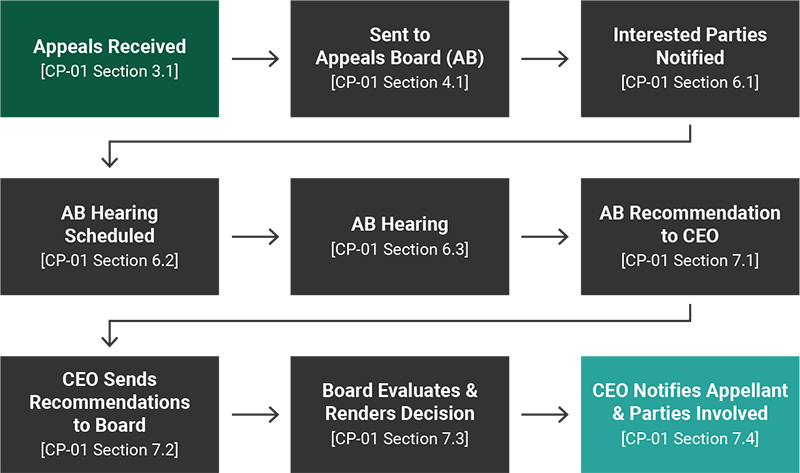
The appeals process is defined in CP-01. The 2024 IECC appeals process will use CP-01 following the prescribed procedures utilizing section 4.1 as the pathway for processing appeals, as approved by the Code Council Board of Directors.
The following main milestones exist based on that approach:
- The public can appeal against the final decisions made by the IECC committees (commercial and residential) at the conclusion of the Final Balloting. [CP-01 Section 3.1]
- The appeal will be placed before the Appeals Board within 30 days of the receipt of the appeal. [CP-01 Section 4.1]
- The appeals board must be established. [CP-01 Section 5]
Note: This can occur concurrently with the earlier steps. - ICC must notify all interested parties that the appeal was received within 30 days. [CP-01 Section 6.1]
- The Appeals Board Chair (ICC Board Vice President) will schedule an appeals board hearing to review the appeal within 30 days of the appeals board receiving the appeal. [CP-01 Section 6.2]
- The Appeals Board conducts the appeal hearing. [CP-01 Section 6.3]
- The Appeals Board renders a recommendation to the ICC CEO. [CP-01 Section 7.1]
- The ICC CEO submits the Appeals Board report and recommendations to the ICC Board of Directors. [CP-01 Section 7.2]
- The Board of Directors reviews the appeal(s) and provides a decision to the ICC CEO. [CP-01 Section 7.3]
- The ICC CEO notifies the appellant and parties of the Board decision. [CP-01 Section 7.4]
Summary Appeals Steps Graphic
Questions?
Appeals Hearings FAQs
Contact Dr. Russ Manning, Senior Vice President of Technical Services, with additional questions at rmanning@iccsafe.org.